Hello, everyone.
This is Enta.
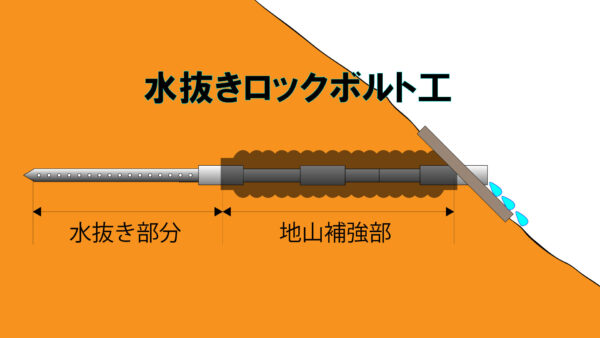
Looking ahead, I considered the future prospects of the dewatering rock bolt method.
We have received opinions and insights on this matter from a variety of people.
I'd like to write a quick summary of that.
1. Restoration of deteriorated sprayed mortar and similar materials
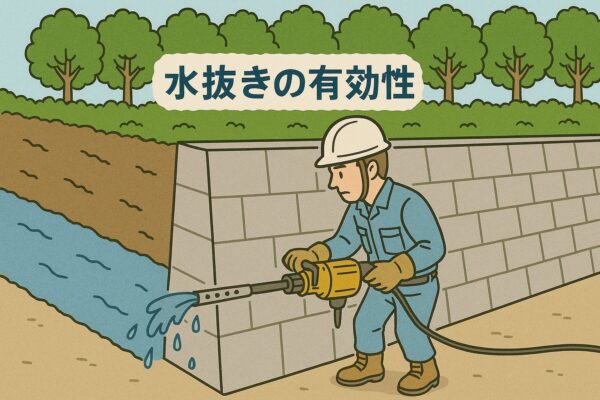
Installing drainage rock bolts prevents excessive pore water pressure caused by water pressure from building up.
Therefore, it is possible to reduce the risk of collapse without applying another layer of sprayed mortar over the existing sprayed mortar.
If there is a problem with delamination in the existing sprayed mortar, simply apply another layer of sprayed mortar over it.
It is not necessary to inject grout into the voids behind existing sprayed mortar.
I'm actually wondering, "Does that even make sense?" lol
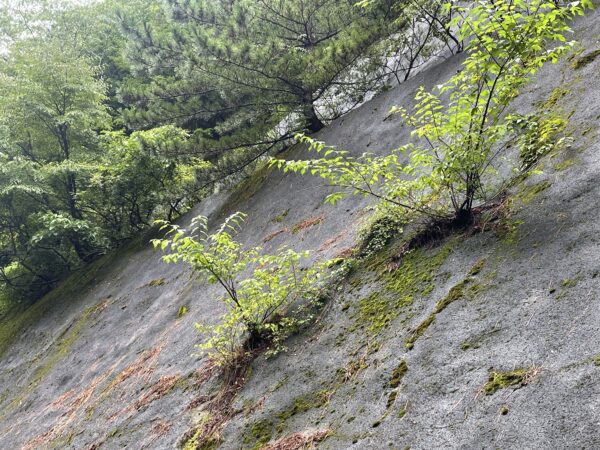
2. Measures for Aging Formwork
This is similar to the above, but since the drainage rock bolts are designed to prevent the mountain from collapsing,
The problem can be solved by installing drainage rock bolts within the frame.
3. Measures for Embankments
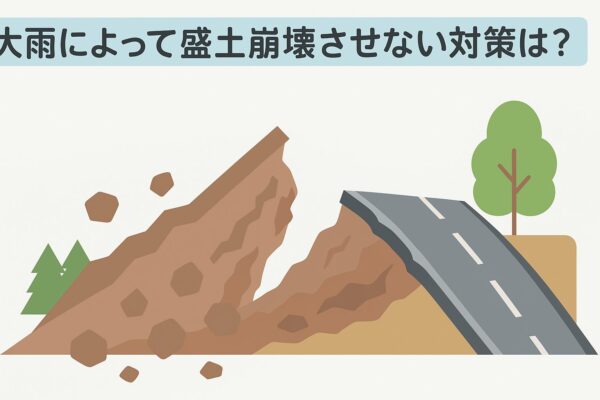
To prevent a situation like the Atami embankment incident, we will reinforce the surface of the embankment and drain water from the interior.
Drainage rock bolts are limited to a maximum length of 7 meters in the ground reinforcement section (although they can actually be extended as long as needed; this is the boundary between the reinforced soil and the ground anchor work),
The drainage section can be extended to 50 meters or even 100 meters.
In other words, we can accommodate any size of embankment.
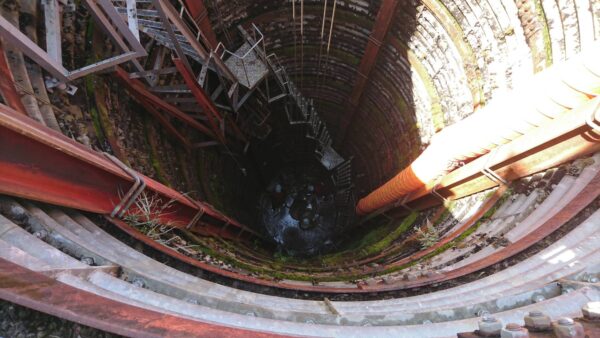
4. Reinforcement Work on the Collection Well Structure
We once had a job site where a well constructed by Shusui-i Engineering became warped.
I hear the soil pressure is so intense that the liner is starting to warp.
Can it be used for that, too?
It would be possible to reinforce the area around the catch basin, but is that part of the construction project?
I don't know if there's anything to consider, lol.
I wonder if this is starting to resemble the NATOM approach to tunnel construction.
5. A slope that makes you wonder, "Will this be a problem if it rains heavily?"
Basically,Disaster Prevention EngineerI think of it as the kind of rock bolt installation where water drains out, so even though it hasn't collapsed yet, is it still dangerous?
I'm not sure, but I think this construction method is ideal for mountains—at least for now.
If you get vaccinated, you can definitely prevent it!
I’m just hoping—though it’s probably wishful thinking—that the city government will place an order for preventive maintenance during the off-season for construction (April–July). lol
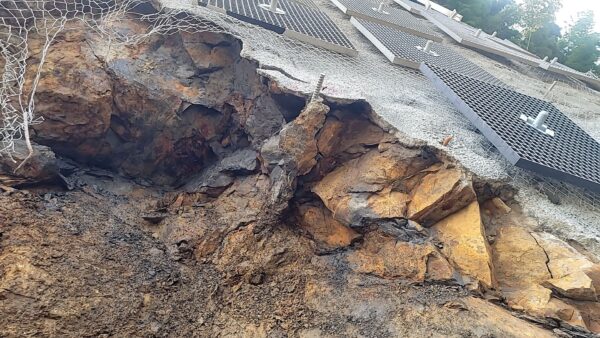
6. Even without using the reverse-spin method, the risk of secondary disasters is low.
Even on mountains that are fairly solid, it’s not uncommon for them to collapse during construction if heavy rain falls, isn’t it?
That makes it much less likely.
As you all know, the cause of the collapse is rain (water)!
Even if heavy rain falls during construction, the drainage system prevents collapse, and the rock bolts further reinforce the natural rock mass.
I can't let it fall apart!
This means that construction can be carried out with virtually no safety risks and no waste.
I believe this construction method holds even greater potential for the future.
I’m just thinking to myself that if each prefecture had two or three companies with the rights to carry out the work, it might become more widespread.
That information session wasNovember 1, 2024will be held at .
The deadline is October 18, 2024.
Currently, a total of just under 30 companies—including construction consulting firms, general contractors, civil engineering professors, and major construction firms—are scheduled to participate.
In particular, civil engineering firms that sign up as members will get early-bird perks lol (well, that goes without saying).
We’re hoping that just under 50 companies will attend this time—we believe that would allow us to move forward quickly, so we’d really appreciate your participation.
If you're interested or if this blog post resonated with you, please do check it out.
Please let any business owners you know who don't read the blog know about this, too.
If you're wondering, "Is this a construction method with a promising future?," I really hope you'll take this opportunity to participate.
I'm looking forward to the day.
See you later.