Hello, everyone.
This is Enta.
The hot season is coming again this year.
It seems there are forecasts saying things are going to get really bad after Golden Week...
On slope construction sites, since you're working right up against the slope, you get hit with a double whammy of glare from the ground and direct sunlight, don't you?
It's like a teppanyaki grill up here on the construction crew's steel plate—it's hell—but the slope is seriously crazy, lol.
I recently attended a health and safety lecture that really drove home the importance of recognizing early symptoms, so I’d like to share what I learned today.
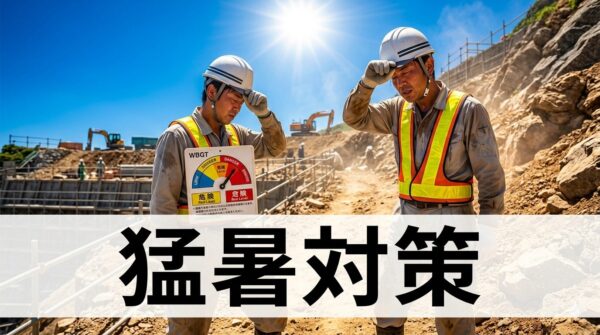
Heatstroke Starts When Things Are “Different Than Usual”
When you think of heatstroke, don’t you picture someone suddenly collapsing?
But that’s not actually the case. It starts with small signs that are hard for both the person themselves and those around them to notice at first.
This was the phrase that really stuck with me.
"If something seems off, suspect heatstroke."
It's simple, but I think these words really say it all.
Incidentally, the Ministry of Health, Labor and Welfare’s “STOP! Heat Stroke: Cool Work Campaign” also identifies the early detection of initial symptoms as the most important factor in preventing the condition from becoming severe.
Early symptoms experienced by the individual [Subjective symptoms]
First, here are some signs you can notice on your own.
- Cramps in the arms and legs
- Lightheadedness and Dizziness
- I feel nauseous.
- My sweating is unusual (it won't stop / or, conversely, it doesn't happen at all)
- I'm feeling a little under the weather.
- I get tired easily
In particular, symptoms like “just not feeling quite right” or “getting tired easily” tend to be overlooked, but apparently these are also valid early symptoms!
Slope maintenance workers have a strong sense of responsibility, so many of them end up putting up with things, thinking, “This much is fine” or “I don’t want to cause any trouble.”
However, when it comes to heatstroke...Holding Back Can Be Fatalwill be.
If you feel even the slightest sense of unease, please don’t hesitate to speak up and let those around you or your site supervisor know.
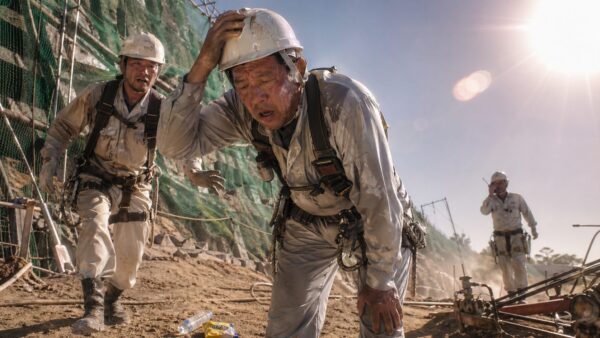
Signs That Others Notice [Objective Symptoms]
The scary thing about heatstroke is that,As the symptoms progress, you will no longer be able to judge for yourself.That's the thing.
That’s exactly why it’s important for us to look out for one another.
- I'm feeling irritated
- Stumbling around
- Does not respond to calls
- Spacing out
Someone who is usually calm might suddenly start getting irritable, or their responses might seem strange.
If you find yourself thinking, “Huh?”, go ahead and say something right away.
Let's Put the "Reach Out" Campaign into Practice
What was strongly recommended in the lecture was"Reach-Out Campaign"That's it.
Especially for slope workers, since everyone is clinging to the slope while they work, it’s actually surprisingly hard to see what your teammates are up to.
That’s exactly why asking each other, “Are you okay?” or “Have you had a drink of water?” during breaks can help save lives.
Newcomers, veterans, and people who tend to push themselves too hard—they’re the ones who especially need a word of encouragement from those around them.
It really shows how important day-to-day communication is, doesn't it?
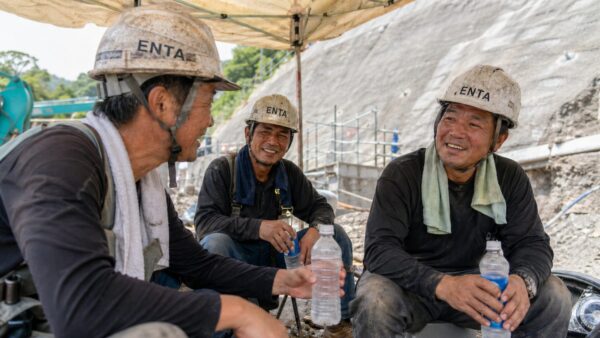
If in doubt, “stop work immediately.”
This is an important point, but,Without specialized knowledge, it is impossible to accurately determine whether someone has heatstroke.That's right.
So, if you're unsure,Immediate Suspension of Work。
That's a golden rule, isn't it?
The decision-making process consists of these three steps.
- Noticing Signs That "Something Is Different"
- Report it immediately to those around you or the site supervisor.
- Stop work immediately → Move to a cool place, drink water, and call emergency services if necessary
Phrases like “just a little more” or “until I reach a natural stopping point” could lead to irreversible consequences.
Pitfalls Unique to Slope Construction Sites
Unlike typical flat-ground construction sites, slope construction involves its own unique risks.
- The slope reflects a lot of sunlight, creating a significant temperature difference compared to flat ground (in fact, there are times of day when the sun’s rays strike the slope at a right angle, resulting in high heat).
- My body feels constricted by the full-body harness.
- If you fall on a slope, it can lead to a secondary accident—a fall—and rescue efforts will take longer.
- There are cases where ambulances have difficulty reaching the scene, or can’t even access the slope in the first place. (Rescue work has become the job of slope maintenance crews, too...)
That's exactly whyMake Decisions Early and Take Breaks EarlyI believe that is necessary.
Small, everyday actions—like discussing the symptoms of heatstroke during morning meetings and getting into the habit of staying hydrated and replenishing electrolytes regularly—are what keep our worksites safe.
Every year, fatal heatstroke incidents occur at construction sites. Slope stabilization work is no exception.
Let’s work together to create a workplace where we don’t overlook anything “out of the ordinary.”
And while it used to be recommended that if you got heatstroke, you should go to an air-conditioned room and apply ice packs or ice to your major blood vessels,
This time, he told us to pour water all over our bodies.
I've been saying for a long time, “We need a cold-water bath on site!”
It's coming, isn't it!!
There's a very good chance we'll have a cold-water bath on site in the future!
See you later.
Simply setting up a cold water bath at the site may help reduce the severity of heatstroke