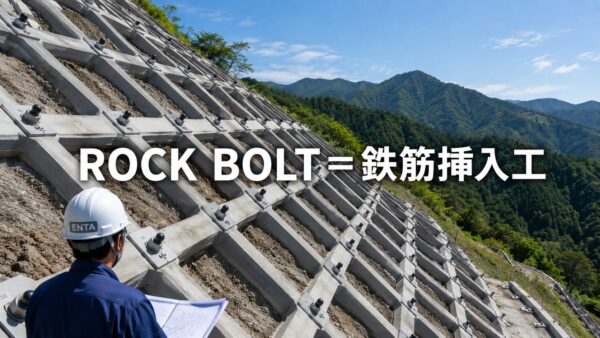
Hello, everyone.
This is Enta.
It’s almost as if the quality of the work depends entirely on how it turns out on site.
There’s one more thing that caught my attention during our recent discussion about the appearance of the job site.
There's something else that's really on my mind!
This is it!
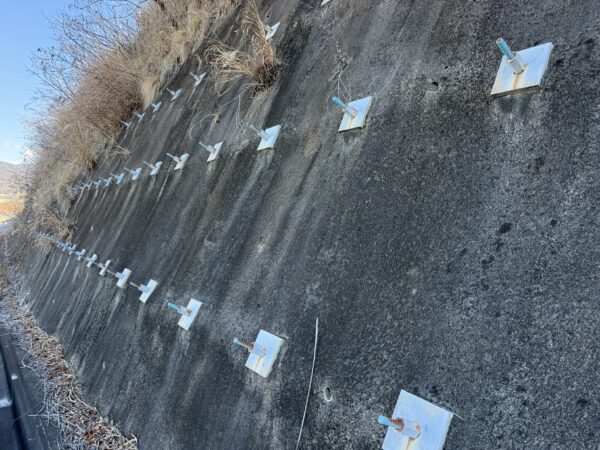
This is it—do you know what it is?
It's the chorus.
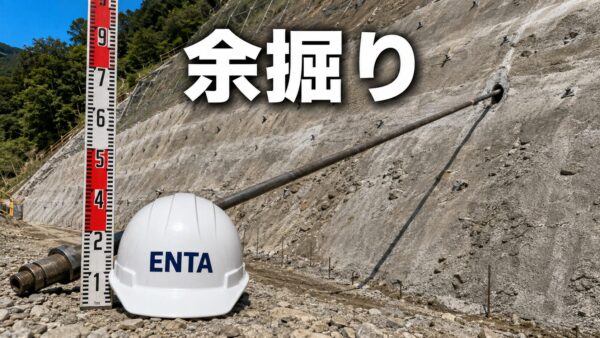
What's more, these are rebar coated with epoxy.
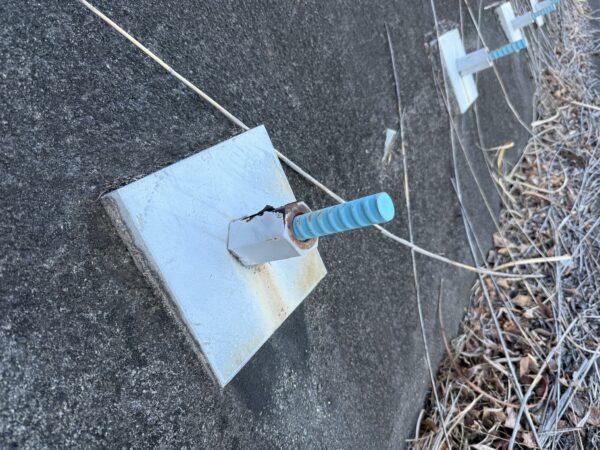
At first, I wondered if it was a Gebindestab (PC stringers + epoxy coating), but the coating seemed rather thin.
And it's totally rusted.
Can epoxy paint actually rust!?
That's the gist of it.
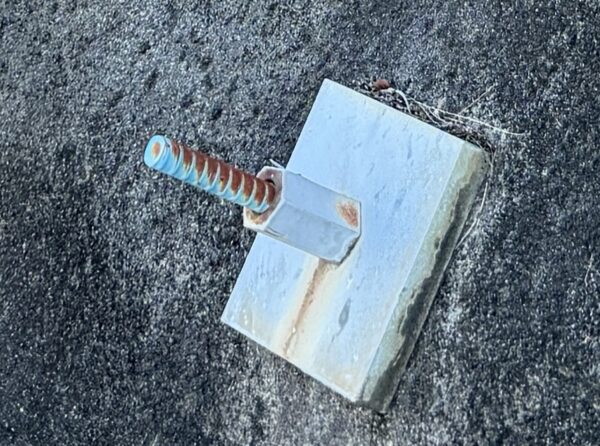
Most of them were rusty.
After looking into it, it seems that the rust-preventive effectiveness of epoxy-coated rebar lasts for about 20 years at most!
However, if the coating is thin, it seems to last about 5 years or so...
Whaaaaaaaat?!
Right!?
Here are the types of rust prevention commonly used on-site, along with their intended environments and expected service life.
Comparison Table by Rust Prevention Method
| Rust Prevention Methods | Typical Coating Thickness | Service Life in Normal Environments | Service Life in Coastal Areas | Features and Precautions |
|---|---|---|---|---|
| Electroplating (Zinc Electroplating) | 5–15 μm | Approximately 1 to 5 years | Approximately 0.5 to 2 years | Thin film; low cost. Short lifespan outdoors and in coastal areas. Primarily intended for indoor and temporary use. |
| Galvanizing (Hot-Dip Galvanizing) | 50–100 μm | Approximately 20 to 50 years | Approximately 10 to 30 years | High durability thanks to sacrificial corrosion protection. Scratch-resistant. Suitable for exterior structures and slope reinforcement hardware. |
| Rust-Preventive Coating (General-Purpose Anti-Corrosion Paint) | 20–40 μm | About 5 to 10 years | Approximately 2 to 5 years | Inexpensive and easy to repair. Requires periodic repainting. |
| Epoxy Coating (Heavy-Duty Corrosion Protection) | 150–300 μm | About 20 to 30 years | About 10 to 20 years | Highly durable, but surface preparation is essential. The outcome depends heavily on the quality of installation. |
*The results vary significantly depending on the thickness of the coating.
I guess regular hot-dip galvanizing is still the better option... (Hot-dip galvanizing provides rust protection for just under 50 years.)
Why did you choose this epoxy?
I’d really like to ask the design team about that, lol.
Could it be that the manufacturer's designers came up with this and it was actually adopted?! (Oh no!)
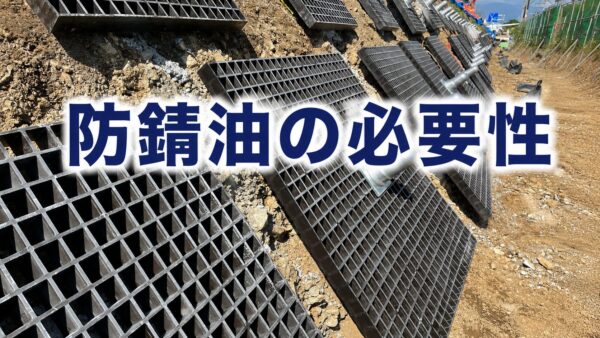
I really appreciate that you didn't put a cap on it, but there seems to be an issue with the rust-proofing on the pull rod.
As expected, hot-dip galvanized rebar really is the best.
Even when considering value for money and ease of use...
Next time, I'll try writing about these measures.
See you later.