



Hello, everyone.
This is Enta.
Are you enjoying the Golden Week holiday in full swing?
I'm having fun just lazing around while I work, lol.
In this post, I’d like to explain the on-site cast-in-place sprayed concrete formwork method for government agencies, construction companies, and general contractors ^^
The location in the photo is from 13 years ago.
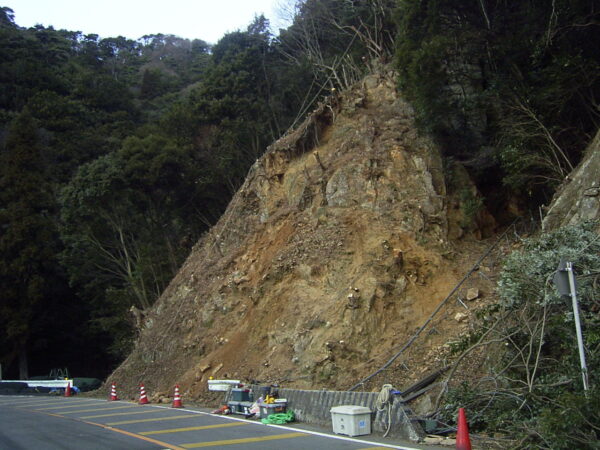
At the disaster site, debris such as soil and sand has been cleared away.
The top is the reference point side~
Below is the end of the line~
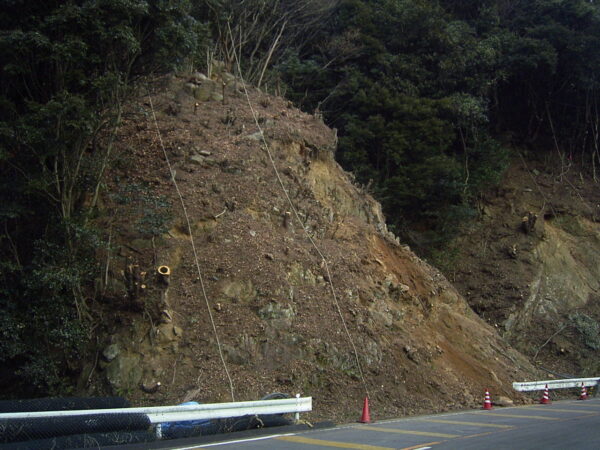
"Start" and "End" refer to the survey point numbers.
Generally, the numbers are assigned from the city toward the mountains.
I'm heading up this mountain nowSlope CleanerWe will proceed as follows.
Slope cleaning work involves removing small vegetation and soil from the natural slope.
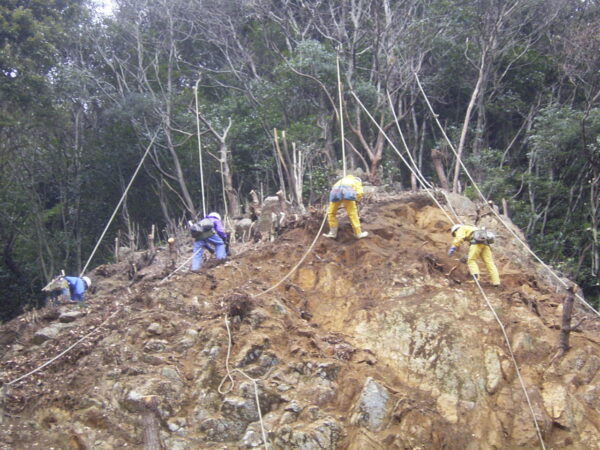
Starting from the top of the hill, we'll use tools like pruning shears and rakes to tidy everything up!


↑This is a saw-toothed sickle.
I'll buy a cheap one and just go at it, whacking away at the plants without worrying about the stones!
That might be the number one consumable for slope maintenance workers, huh?


↑That's Joren. It's a really difficult character to write in kanji, isn't it? lol
Using this, we scrape the soil from the top and let it fall down, gradually removing excess soil particles.
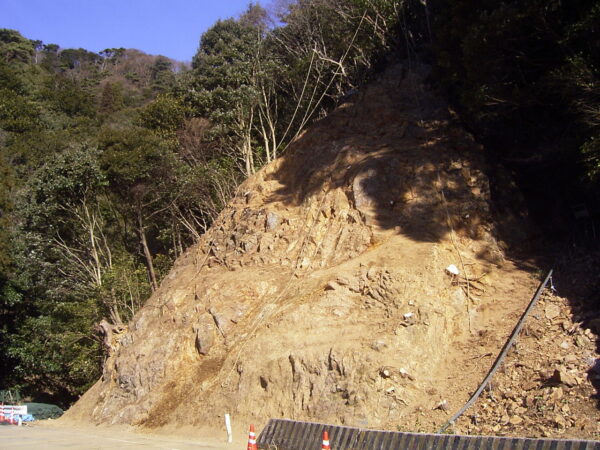
This is after the slope was cleaned.
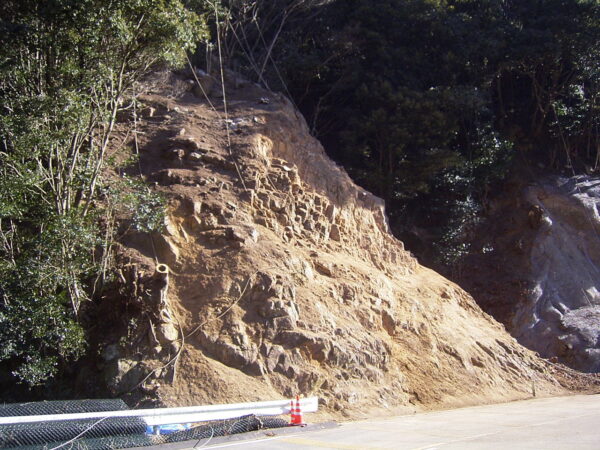
You can tell it looks better now, right?
That wraps up the slope cleanup.
Next, we'll install the wire mesh over the entire slope,Shingle Installer...will be included.
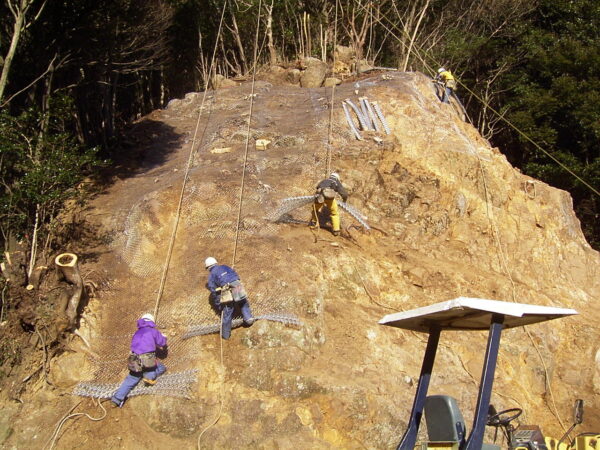
We will install the zinc-coated diamond-shaped wire mesh starting from the top and working down.
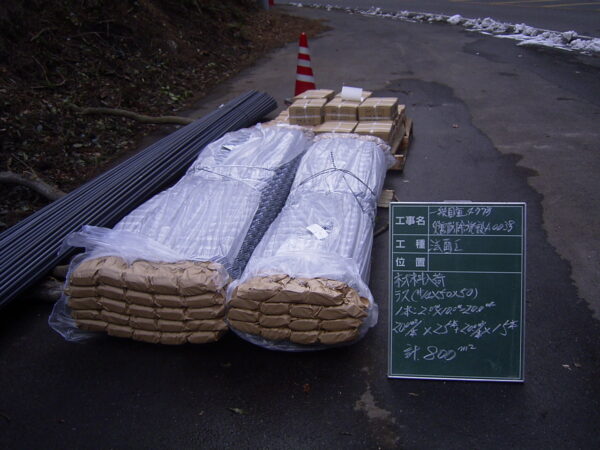
This is a zinc-coated diamond-shaped wire mesh: #14 × 50 × 50, with a wire diameter of 2 mm and a mesh size of 50.
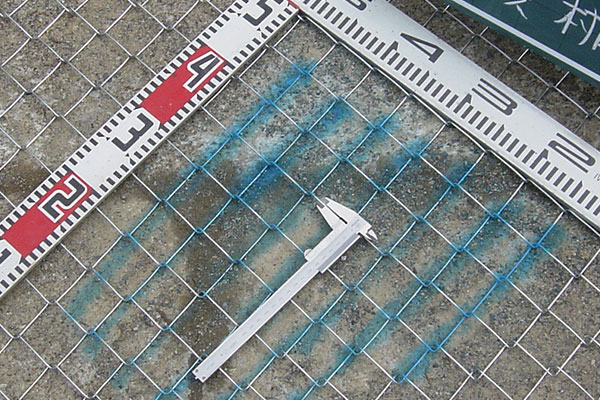
I'll carefully attach it while making sure it blends in with the mountain.
To do this, we’ll use large anchor pins (φ16 × 400) and small anchor pins (φ9 × 200) to secure them in place!
The name for this anchor varies slightly depending on the region, lol.
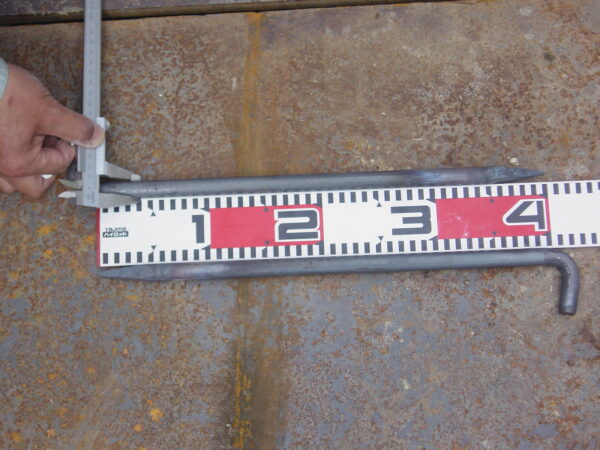
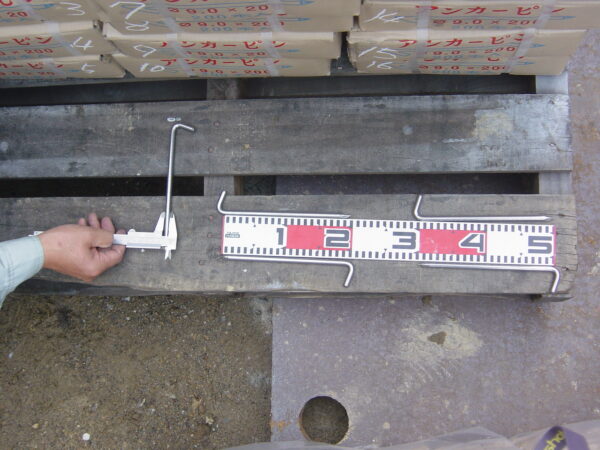
We're driving anchor pins into the mountain!
The basic concrete placement methods are as follows:
Concrete Placement Intervals for Formwork Installers (Part 1)
Concrete Placement Intervals for Formwork Installers (Part 2)
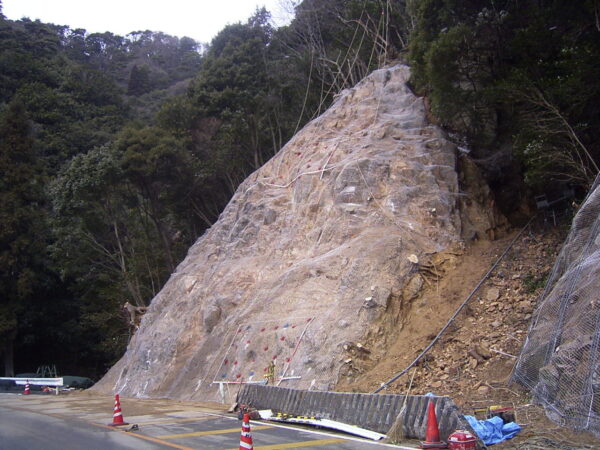
That completes the final layer.
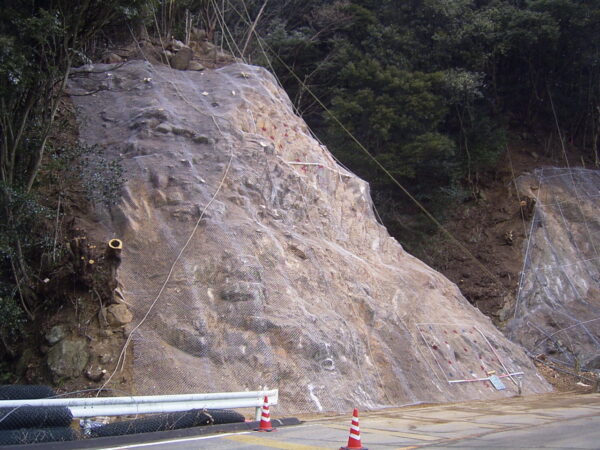
When lath is installed, it prevents small stones (smaller than the lath) from falling from above, making the slope look very stable.
What's more, having the mesh cover the entire surface creates a sense of continuity!
Since the mesh is designed to create continuity, let's make sure to secure it firmly.
Well, that's all for this time!
Next time, we'll start with rebar assembly, right?
See you later.


Regarding the anchor pins: The specifications are φ16 × 400, so the length is 400, but the tip is pointed and not φ16. What is your opinion on this? The same applies to the small pins. Is the thickness maintained at the hook section?
I'm sorry for bringing up something so trivial.
It’s pointed because you can’t drive it into a mountain unless the tip is sharp, but the effective length is strictly from the tip to just before the bend.
The total length is the effective length.
The hook part is merely a catch.
Just because it’s an anchor with a total length of 400 mm made from φ16 round bar—and the tip has been sharpened—doesn’t mean it’s too short.
It would be a different story if this were subjected to some kind of stress or played an important role, but it’s really just a pin used to secure the wire mesh.
Also, since we submit the material approval within the market unit price range and the government agency gives its approval, there are no particular issues. (We’ve never been rejected.)