Hello, everyone.
This is Enta.
I was totally shocked when I saw this!
It's not so much innovative as it is... actually, this isNormal use?Isn't that the case?!
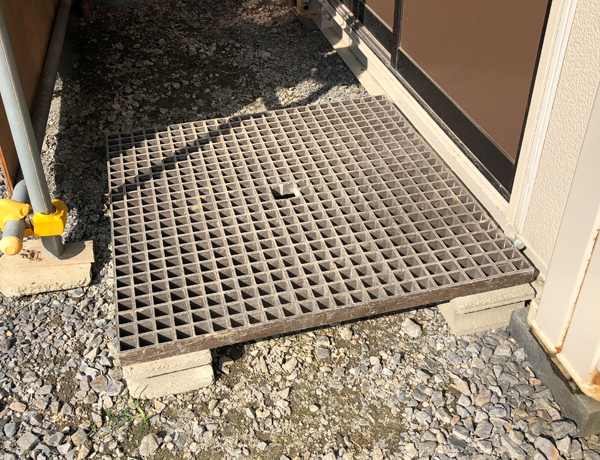
I'm a little concerned that the opening in the middle is a bit too big, but this might actually be the most practical grating!
But that's beside the point.
The other day, something happened that really got me thinking.
Well, let's just call it jealousy from others, I guess?
Looks like there are some people who are a pain to deal with. lol
I wanted to write this down so I wouldn't forget, so I went ahead and wrote it down lol
Unwritten Rules for Subcontracting in the Construction Industry
As those of you who have been in this industry for a long time probably know,
You must not approach the parent company that was hired as a subcontractor by the prime contractor.
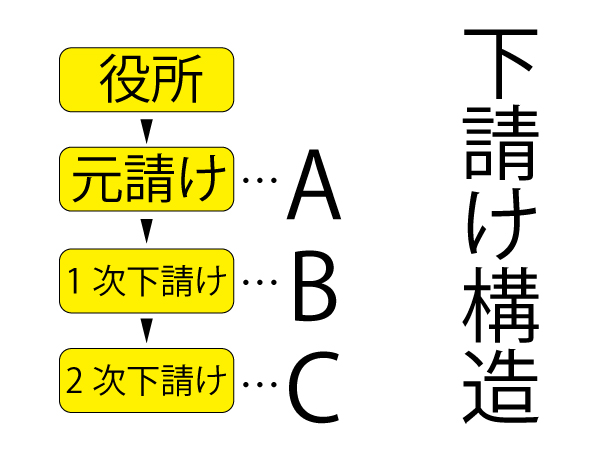
To put it simply,
It is as shown in the figure above.
For example, let's say I'm Company C.
Suppose we are carrying out construction work at Company A’s site as a subcontractor for Company B.
So, while I’ll have some contact with Company A, I—as an employee of Company C—am not allowed to approach Company A directly with sales pitches.
There would be no problem if we hadn't originally carried out the construction work for Company A.
If we are to approach Company A for business, we must obtain Company B's approval.
This is the unwritten rule.
To be honest, in this day and age, it's ridiculous.
And lately, there are some construction companies that are aggressively pushing their sales pitch regardless of whether there’s a connection or not.
This is commonly referred to as “diving under” or “flying over” or “skipping over.” (For example, “diving under” or “skipping over a parent company.”)
I tend to be somewhat critical of this unspoken rule.
But if you ask me, “So, are you going to do it?”—I won’t.
BecauseIt's because I feel like something's off.
I think the results the top companies are seeing now are the fruit of their past sales efforts.
When I think about how much hard work must have gone into it, I just can't bring myself to casually snatch the job away from them.
However, on the other hand, there is also the view that workers are free to work wherever they choose.
I think it's best to work where you want to work. That's why I'm critical of unwritten rules.
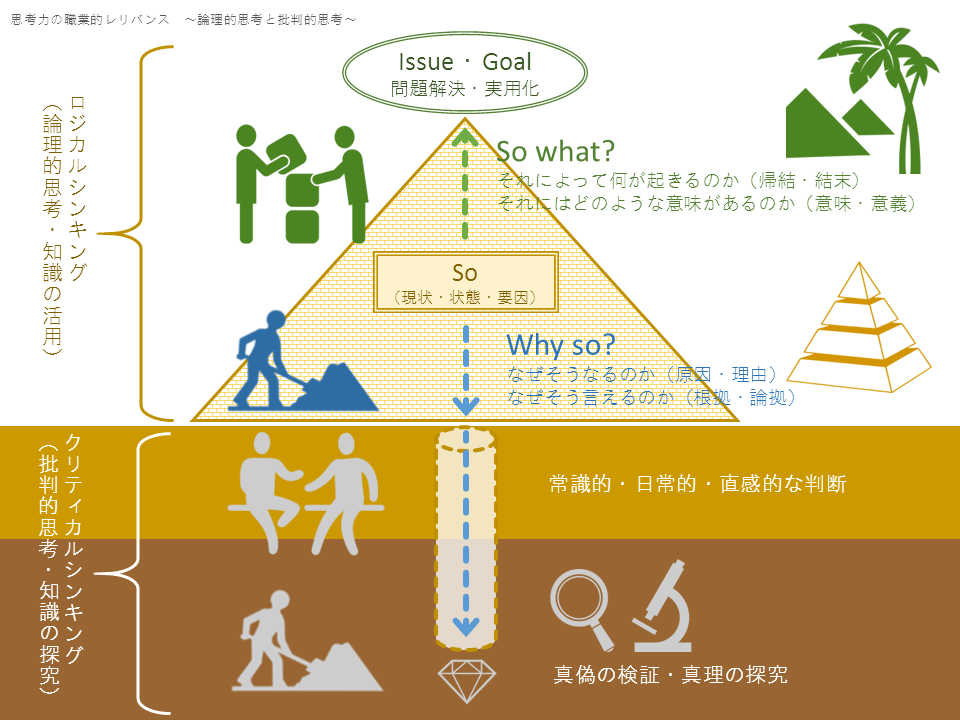
Since one company will clearly be eliminated, profits will increase, and the terms are likely to improve.
Back when I worked at what was commonly referred to as a “fairly large” company, we would reach out directly to reliable subcontractors—even those at the bottom of the chain—to ask them to take on projects.
But even so, we’d still get complaints from that vendor’s higher-ups. (My boss used to get mad at me all the time, lol.)
There are no specific penalties or consequences for failing to follow the unwritten rules.
If you don't mind, then that's fine.
As the saying goes, “Rumors last 75 days”—so, at the end of the day, that’s all there is to it.
However, Japanese people either follow this custom or, perhaps, hold it in high regard...
Even though we're in an era where job requests come in over the Internet, I do feel like unspoken rules are making it harder to work.

Are we still in that kind of era? The number of construction contractors just keeps dropping.
What do you all think?
See you later.