


Hello, everyone.
This is Enta.
I feel like there's been a lot of stuff about interns lately, lol.
That's because there are a lot of interns, you see.
This is an inescapable fact based on the principles of numbers.
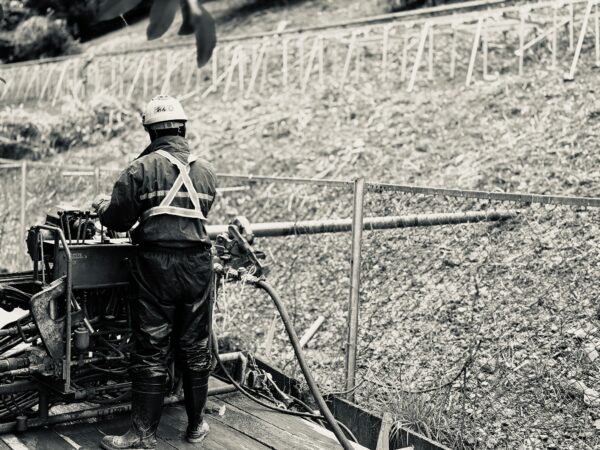
Still, we have no choice but to keep going, so that's what we'll do, lol.
So, what's going on is that,
Among our current technical interns, there are some who exhibit problematic behavior on the job.
Specifically, these include failing to follow instructions and, despite having a serious attitude toward work, engaging in problematic behavior such as yelling at the foreman.
Borrowing money from other employees (I owe them money)
I gave him several warnings and instructions.
I discussed this situation with the union as well, but since there is a possibility that the trainees might “run away” (go missing) if we were too strict with them—such as by having the union give them a long, stern lecture or issuing a written warning—
That's why a cautious approach is required.
The Technical Intern Training Organization only asks, “How did you provide guidance?” and expects nothing more than formal records or superficial responses, so they basically take the stance that the company is at fault, lol.
There really is quite a big gap between the reality on the ground and how the system is supposed to handle things, isn't there?
Many interns believe that “if they start to feel uncomfortable, they can just leave,” and
Since the reality is that even if someone actually goes missing, they can return to Japan if they are apprehended once they decide they want to come back,
I feel that institutional deterrents are weak.
On the other hand, if the company fails to provide appropriate guidance, it is highly likely that operations on the ground will be disrupted, and
The current situation is that we’re caught between the need to provide guidance and the risk of employees going missing. (This is a problem faced by every company.)
◆ General Concepts and Background
● Background of the Technical Intern Training Program
Although the Technical Intern Training Program is ostensibly aimed at “technology transfer to developing countries,” in reality, it is largely intended to address labor shortages, and
A system in which discrepancies in objectives and perspectives are likely to arise among companies, unions, and training organizations
● Trainees Using the “Risk of Disappearance” as a Pretext
Some trainees understand the limitations of the system and the lack of oversight, and they undoubtedly believe that “it’s okay to run away.”
This is also related to the stage of information provision and the quality of education provided by the sending organization.
And, of course, this is also true for information on social media and the like.
Recruitment and referral for "dark-side" jobs, such as illegal part-time work!
● The Discrepancy Between the Roles of Unions and Companies
Unions tend to place a strong emphasis on “preventing workers from disappearing,” and
Since companies expect employees to “contribute effectively on the front lines,” there can sometimes be a disconnect between training methods and acceptable standards.
The training organization is investigating the cause of the disappearance and examining whether there were any shortcomings on the part of the company or the union.
Of course, since both our company and the union are rated as “excellent” (there’s a scoring system for that), if someone goes missing, that rating could be revoked!?
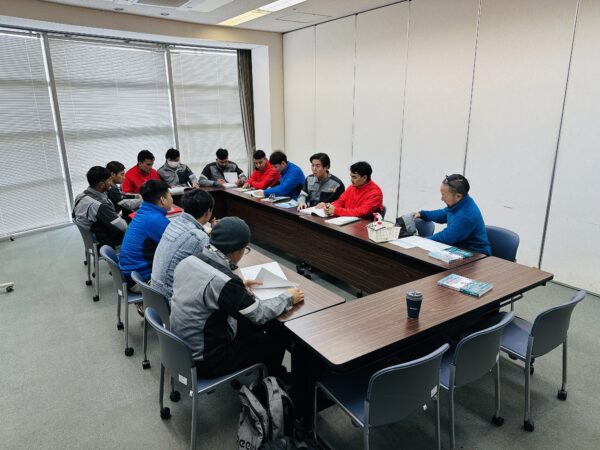
◆ Corporate Guidance
-
Keep a record: When issuing warnings or providing guidance, do not limit yourself to verbal communication; keep a record—even a simple one—of the date and time, the content, and the individual’s reaction.
-
A Phased Approach: Rather than resorting to strict discipline right away, we proceed in stages: “verbal reminder → warning → meeting → written guidance.”
-
Third-Party Witness: Interviews are conducted in the presence of third parties, such as union staff or interpreters, to ensure fairness.
-
Understanding Differences in Customs and Culture: Since expectations regarding work duties may not always be clear, explain them carefully, taking cultural differences into account.
-
Recognition and Motivation: By actively recognizing and rewarding interns who demonstrate good behavior, we create a virtuous cycle within the team.
*The above is an example of general guidance for trainees generated using AI.
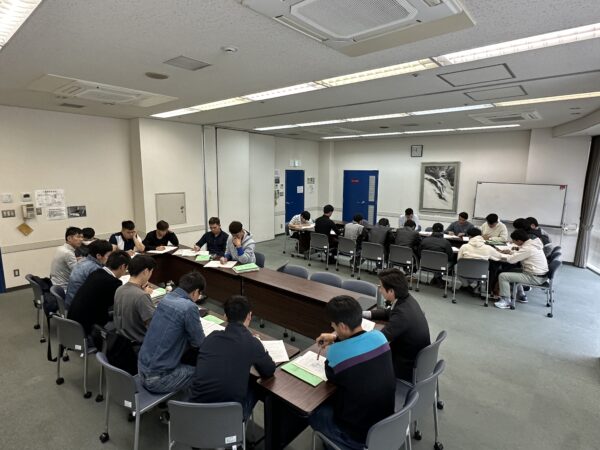
◆ How the Union Provides Guidance
-
Clearly convey to the trainees that “if things continue as they are, the program may be terminated and they may have to return to their home countries” (to ensure they recognize the realistic risks).
-
Use tools such as the “interview sheet” provided by the union to encourage the individual to become more self-aware.
-
Work with family members and sending organizations to increase the pressure on the individual.
(This is still a bit of a mystery to me. That’s because I don’t think I can count on my family’s support—as long as they send me money, they don’t care about anything else.) -
If the problematic behavior continues, the company may indicate the possibility of “penalties imposed by the sending country (such as repatriation or refusal to accept the individual on future visits)” on the grounds that it causes inconvenience to the company.
(This part doesn't really matter either—if you end up leaving the country, you can work for as many years as you want as an overstay.)
The above is based on general union countermeasures found online.
◆ How to Explain to the Internship Organization
We have issued warnings and conducted interviews with this trainee on multiple occasions since [Month] [Day], but no significant improvement has been observed to date. We are continuing to provide careful guidance in collaboration with the union, taking into account the trainee’s cultural background and level of understanding; however, because there is a high risk that the trainee might go missing if we provide overly strict guidance, we are limiting our approach to a phased guidance process.
We plan to continue working with the union and the sending agency to help the employee improve their attitude. In addition, we keep records of our guidance sessions on file and can provide them as needed.
As mentioned above, we regularly send this kind of data through the union, but the question is, what good does this do?
Companies aren't so bad, are they?
I'm doing everything I can, you know?
It's just a matter of writing out a long string of excuses and sending them off, isn't it...

Honestly, in the end, it's all about looking out for yourself while skillfully guiding the interns.
To be honest, once the internship is over, it doesn't matter whether I fly out or go home.
As long as the internship is completed by [Month] [Day], and if your return date has been set, neither the union nor the company will impose any penalties even if you fly back after that date.
So if I can just get through the internship and be done with it... lol
So that's how it turns out, huh~
In the long run, though, that’s definitely not a good idea.
I think it would be good for the general public to know that there are difficult aspects to being an intern like that.
If you're just going to criticize, at least do the bare minimum, lol.
See you later.