Hello, everyone.
This is Enta.
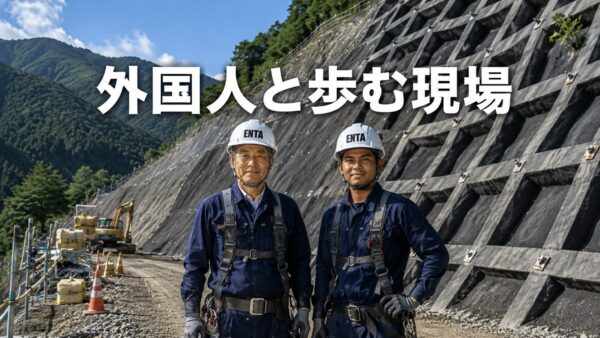
Next year, the second cohort of our technical interns will be graduating.
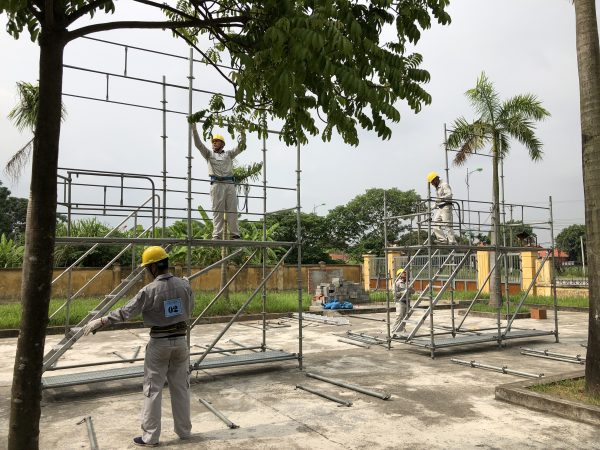
And just the other day, the third cohort joined us.
We’ve also been using the Technical Intern Training Program for about five years.
The Vietnamese who went back, the Vietnamese who stayed, and the Nepalese who just arrived.
The Japanese people who welcome it.
I often find myself thinking about many things as all sorts of emotions get tangled up in a complex mix.
Benefits Resulting from the Use of the Technical Intern Training Program
I suppose different companies have different ideas about what constitutes a benefit, but,
It really comes down to long-term employment.
These are times when people say that even if you post a job opening at the public employment office, no one will apply—times when young people quit their jobs right away.
By taking advantage of this program, you can secure employment.
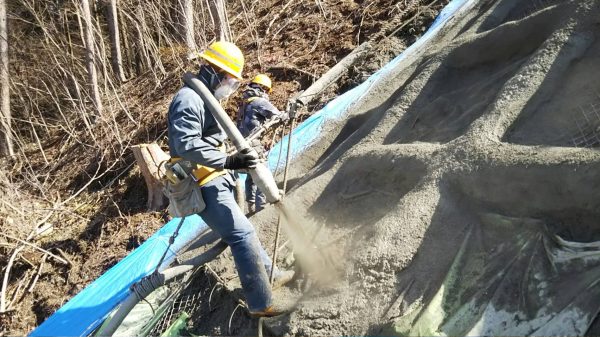
Even though it’s a fixed-term contract of three years, we’re very grateful that we’ll be able to secure a stable workforce for that entire period.
I really think it all comes down to this.
This is all the more true when you consider that the Japanese population is set to decline in the future.
Generally speaking, people talk about things like technology leaks or slavery, but
I believe that without this system, Japan’s construction industry would no longer be viable.
The same can be said for other industries and sectors.
This means that Japanese manufacturing can no longer function without foreign workers, and productivity cannot be improved.
People are always talking about how DX boosts productivity and so on.
I think whatever we can do is fine.
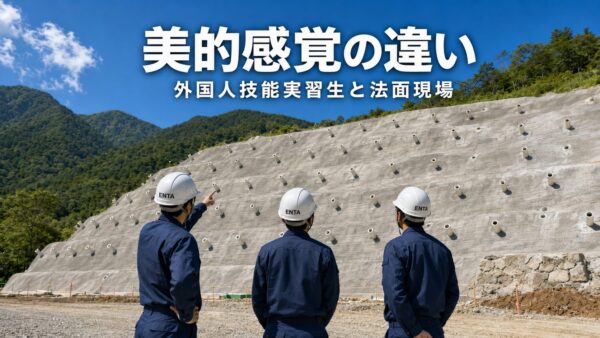
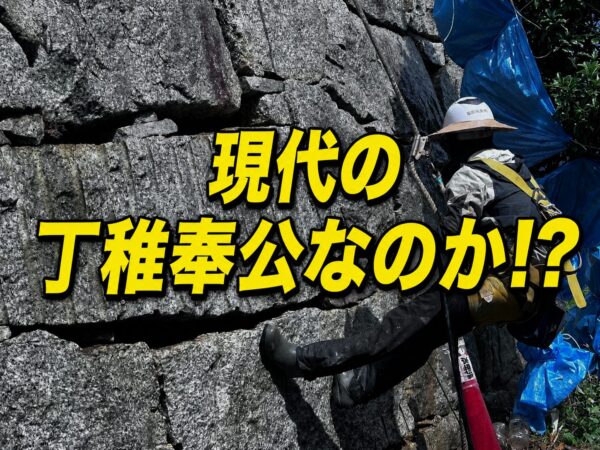
However, in civil engineering, manual labor is still very important.
Especially on a slope... lol
Disadvantages of the Technical Intern Training Program
The exact opposite of the benefits,They leave after 3 or 5 yearsThat's about it.
After three years, they've become quite a force to be reckoned with.
In our company, we teach employees important roles related to operating drilling machines even in their first year.
That's because they're super motivated, so they'll remember it well.
Just like Japanese people, I have my strengths and weaknesses, lol.
It really is such a waste and such a shame that a player who can make an immediate impact is leaving after just three years.
Actually, there aren't really that many downsides, but it's more about the feeling of cleaning the dorm, I guess.
I suppose that, given how different the living environments are, Japanese people might run into some difficulties in places like that, but,
It feels like not much has changed compared to the 1970s, when we were kids, so I’m reminiscing about those days lol
Something Everyone Gets Wrong
Many people believe that the Technical Intern Training Program is being used to exploit trainees like slaves.
Especially those who aren't familiar with the system.
In reality, it costs a lot of money.
In the slope engineering industry,
Approximately 300,000 per person in startup funds (airfare and other expenses) before entering the country
After joining the company, everything from work clothes to safety harnesses to tools (easily exceeding 100,000 yen per person)
We took care of everything, from arranging the dormitory to setting up the furniture.
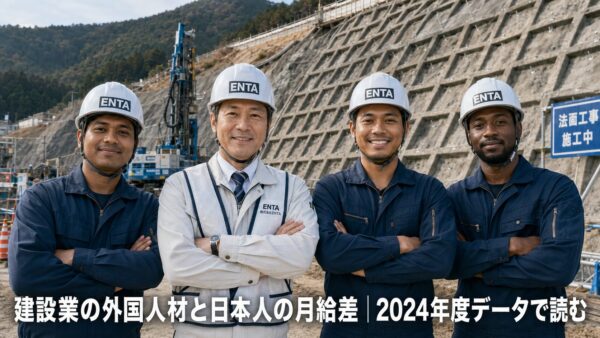
Salaries are always set when recruiting overseas, and the starting point is generally Japan’s minimum wage.
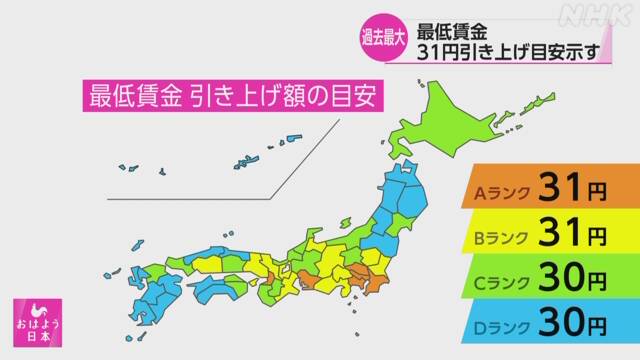
From there, it seems the company uses allowances and other measures to cover the costs within a certain range.
It seems that some companies pay their employees only the minimum wage.
By the way, at Enta, we start employees at the minimum wage and then add estimated overtime pay to make their pay as high as possible.
In addition, we differentiate between trainees by offering allowances for Japanese language proficiency, technical skills, and roles as leaders and assistant leaders.
As I've mentioned many times on my blog,
They, too, are coming to Japan to earn money through the Technical Intern Training Program!
That's exactly why I want you to earn a good income, so I'm setting this apart.
They call it the "Japanese Dream," and once their technical internship programs are over, these men and women
They say they’re making their dreams come true—whether by buying a house in their home country or working hard to learn Japanese so they can get a job at a Japanese company overseas.
Well, in some cases, my wife goes on a spending spree... lol
Because of the incident the other day, technical interns have stopped choosing to work as construction riggers.
There was that really upsetting incident, wasn't there?
There was an incident in which a technical intern was assaulted.
That incident made headlines around the world.
In countries such as Vietnam and Indonesia, it is already becoming difficult to find job openings for “tobi” (construction workers).
Whereas the number of job seekers used to be more than five times as high, it is now only about twice as high.
I think that company had a significant impact on the scaffolding industry in Japan.
For that reason, I think we’ll likely see an increase in the number of companies that misrepresent their line of business in their job postings.
I'm concerned about what the outcome might be.
See you later.