Hello, everyone.
This is Enta.
This is a continuation of the previous post!
What Comes from Naphtha: This Is the Heart of the Matter
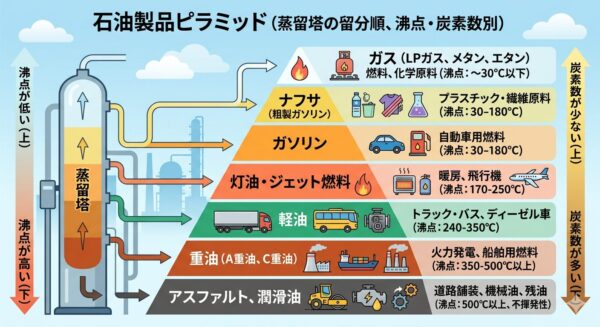
Naphtha is"The King of Raw Materials in the Petrochemical Industry"。
When these materials undergo thermal cracking, they yield raw materials for a variety of products:
■ Products of Naphtha Cracking
◆ Ethylene (C₂H₄) → Polyethylene (PE)
└ Waterproof sheeting, geotextiles, civil engineering films, PE pipes, rockfall protection netting materials
◆ Propylene (C₃H₆) → Polypropylene (PP)
└ Various plastic parts, packaging materials, and fiber-based materials
◆ Butadiene (C₄H₆) → Synthetic rubber
└ Rubber hoses, O-rings, packer materials, and various rubber products
◆ BTX (Benzene, Toluene, Xylene) ← This is super important
├ Toluene → The main component of paint thinner
├ Xylene → The main component of paint thinner
├ Benzene → Raw material for epoxy resins and adhesives
└ Styrene → Polystyrene (expanded polystyrene)
The main components of paint thinner are toluene and xylene.
To summarize the process, it goes like this:
Crude Oil → Naphtha → BTX → Toluene and Xylene → Thinner
If the Strait of Hormuz were blockaded and crude oil could no longer be imported,
No naphtha → No BTX → No thinner.
It's not a price increase, but rather,Here's why "the item hasn't arrived."
Since new goods aren't coming in, the prices of what we have now are skyrocketing!
Resellers are popping up at an incredible rate...
Our worksite is covered in oil.
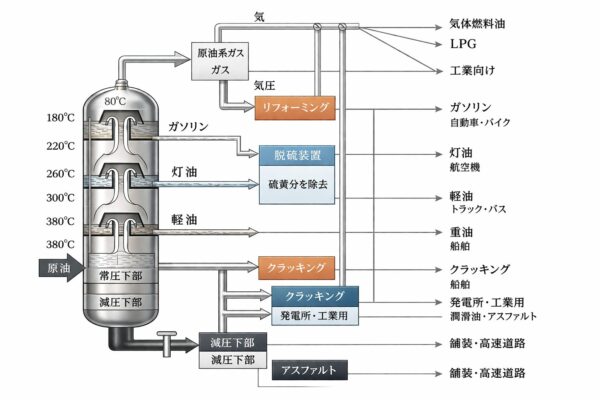
Let's focus on the civil engineering sector and list all the petroleum-based products used on construction sites.
[Fuel System]
・Diesel fuel → Fuel for all construction machinery, including crawler drills, hydraulic excavators, compressors, pump trucks, etc.
[Paints and Solvents]
・Thinner (toluene and xylene-based) → Thinner for machine coatings and anti-corrosion paints
・Anti-rust paint → Machine body, rebar, rust inhibitors, etc.
[Plastics and Resins]
・Vinyl Chloride Pipes (VU Pipes, VP Pipes) → Drain pipes, drainage boreholes, and strainer pipes
・PE pipe (polyethylene pipe) → Water supply pipe / Injection hose
・Made of polyethylene → Material used for sandbags, bags, etc.
・Geotextiles → Embankments, drainage works, and vegetation mats
[Adhesives and Sealants]
・Epoxy-based adhesive → Securing anchor materials and repairing cracks
・Urethane-based sealant → Joint sealing and waterproofing
[Rubber and Hoses]
・Synthetic rubber hoses → Injection hoses, air hoses, grout hoses
・Rubber packer material (rubber-based)
[Paving and Roads]
・Asphalt → Access roads and temporary roads to the site
It all comes from oil, doesn't it?
It's not just about the high price of gas.
"No oil" means that none of the materials for the job site have arrived.That's the point.
What Lies Ahead After a Blockade of the Strait of Hormuz?

April → 2,500 yen/t increase; May → 5,000 yen/t increase
The industry has been widely notified of price increases for asphalt-based materials starting in April and May.
I was told that tungsten is about three times as hard...
Paint sales are up 75%!
With the Strait of Hormuz still blocked and no prospect of a stable supply of crude oil, what will happen next?
To be honest, I can't see what's ahead.
However, one thing is clear.
"We can't change the unit price for the construction project we've already been awarded. However, material costs will go up starting next month."
This"Delay in Passing On Price Increases"But it will put a stranglehold on construction companies. That's for sure!
In particular, subcontractors and specialized contractors accept work based on quotes submitted to the general contractor, so even if material costs rise, they cannot easily change the contract price.
This is a pattern that has been repeated during past periods of soaring raw material prices (before the 2008 Lehman crisis and after the 2022 Ukraine conflict).
A wave of bankruptcies is coming. It’s definitely coming!
Just three things you should do right now.
① If possible, secure the materials
Take action before items “become unavailable” or “double in price.” I feel like now is the time to act!
② Be sure to include a provision in the quote terms for a revised quote in the event of a surge in material costs.
QuoteExtend the deadline by one monthNishi, the moment the price of materials changed,The phrase "re-quote" in the quotation termsPlease put it in here!
③ Accepting low-price orders will be a suicide mission from now on
"I took the job because I didn't have one" leads to "I took the job and it ruined me." This is one thing you absolutely must avoid!
When it comes to an external factor like war, there is only so much that people on the ground can do directly.
But"Do You Know or Don't You Know?"...can make a world of difference in business decisions.
If oil prices rise, what else will rise?
If the Strait of Hormuz were blockaded, what wouldn't arrive?
With that in mind, I’d like you to decide on the timing for cost estimation, quoting, and placing orders.
I think even general contractors' site supervisors would benefit from knowing this!
See you later.
Thanks to this, a loan opportunity has come up!