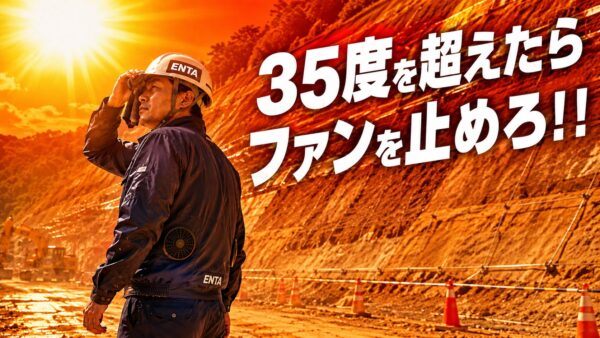
By 10:00 a.m., their shirts are already soaked with sweat—construction workers are probably the prime example of people who’ve had that experience.
Working under the blazing sun, surrounded by hot machinery, concrete, and steel, is no laughing matter.
That is precisely why there is **"Extreme Heat Awareness Month," which is observed every July**.
The goal is to raise awareness of the hazards associated with working in high temperatures and to provide workers like you with the knowledge and tools needed to work safely.
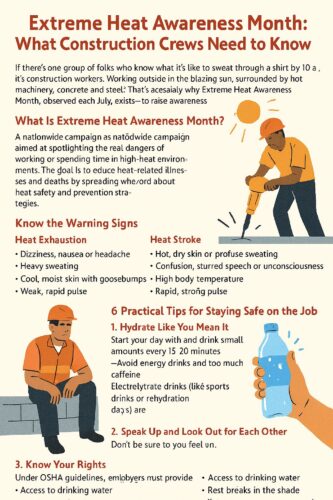
What Is "Extreme Heat Prevention Month"?
"Heat Wave Prevention Month" is,A nationwide awareness campaign that sheds light on the real dangers posed by work and activities in high-temperature environmentsThat's it.
The purpose is to,Reducing heat-related illnesses and deaths. To that end, we are working to widely disseminate information on heatstroke prevention measures and safe work practices.
This is a particularly important initiative for construction workers who spend long hours working outdoors.
The heat isn't just "uncomfortable"—it's "dangerous"
The heat isn't just uncomfortable; it's also...Life-threatening dangerThat's it.
In the United States, every year,Dozens of workers have died from heatstroke, and thousands have fallen ill.。
However, most of them are100% PreventableThat's just the way it is.
Why Are Construction Workers at High Risk for Heat Stroke?
Work at construction sites takes place in an environment where workers are pushed to their physical limits in the heat.
The following conditions apply:
-
Rise in body temperature due to physical activity
-
Heat Trapping Caused by PPE (Personal Protective Equipment)
-
Not having immediate access to shade, air conditioning, or cold water
Due to these factors,Heat exhaustion, heat stroke, muscle cramps, dermatitis, and even kidney damage caused by dehydrationThey are exposed to various health risks, such as...
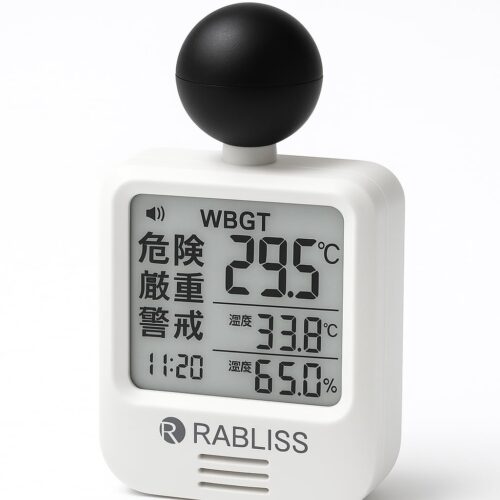
Learn the Signs of Heat Stroke
Symptoms may appear suddenly.To be able to notice any changes in yourself or your friends right away, keep the following signs in mind:
◆ Symptoms of Heat Exhaustion
-
Dizziness, nausea, headache
-
Heavy sweating
-
My skin feels cold and damp, and I get goosebumps.
-
Fast and weak pulse
-
Muscle cramps
◆ Heatstroke (Life-Threatening Emergency)
-
Hot, dry skin or excessive sweating
-
Dazed, slurred speech, loss of consciousness
-
High Body Temperature
-
A strong, rapid pulse
If someone shows signs of heatstroke, call 119 immediately!
Then move to a shaded area and cool your body down with water or a wet towel.
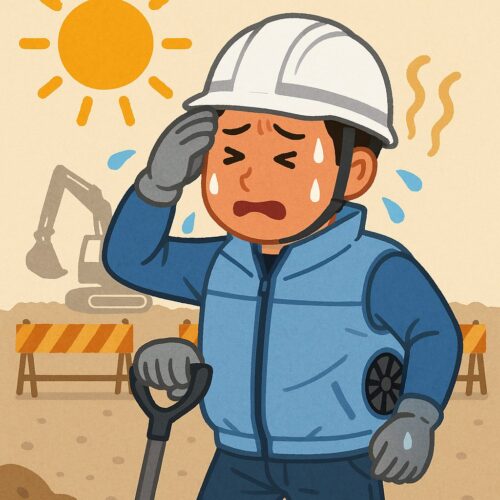
6 Practical Tips for Staying Safe on the Job Site
1. Seriously, Stay Hydrated
Drink some water before you start working, and continue to drink small amounts every 15 to 20 minutes (drink before you get thirsty).
You shouldn't drink too many energy drinks or consume too much caffeine.
Sports drinks and energy tablets containing electrolytes are also effective. Just don't overdo it.
2. Getting Your Body Used to the Heat
After a long vacation, or on the first scorching hot day of the season,Don't push yourself too hard; start working gradually.That.
It takes 1 to 2 weeks to fully adjust.
3. Put Some Thought Into Your Outfit
Wear light, breathable, brightly colored clothing.
Long-sleeved shirts and long pants can also protect your skin from direct sunlight.
A hat and UV-protective sunglasses are a must!
4. Making the Most of Shade
Always take breaks in the shade. If there is no natural shade, use a tent, vehicle, or temporary shade structure.
Make a conscious effort to set aside time to let your body cool down.
5. Speak Up · Protect Your Friends
If you notice any changes in your physical conditionDon't push yourself—report it to your supervisor..
And please feel free to ask your colleagues, “Are you okay?”That one word can sometimes save a life.
6. Know Your Rights
According to OSHA (the U.S. Occupational Safety and Health Administration), employers are required to provide the following:
-
Provision of Drinking Water
-
Shaded Areas and Rest Areas
-
Education and Training on Heat Stroke Prevention
If these are not provided, it is only natural to speak out, and it is an important right.
July is Safety Awareness Month
When you think of July, you might think of barbecues, fireworks, and the beach.
But,For those who work under the sun, this is an important month for “protecting their own lives and those of their colleagues.”...as well.
"Extreme Heat Prevention Month" is the perfect opportunity to raise awareness.
✅ Heat Stroke Prevention Checklist (For Construction Workers)
Print and share this checklist, and work with your colleagues to ensure safety!
● Before the shift starts
-
Did you drink two glasses (about 500 ml) of water 30 minutes before starting work?
-
Did you check the weather forecast to see if there would be a heat wave?
-
Has the team reviewed the procedures for preventing heatstroke?
-
Have you made arrangements for shade and rest areas (tents, umbrellas, air-conditioned vehicles, etc.)?
-
Do you have a supply of water and electrolyte drinks?
-
Should we team up with a colleague to implement the “Safety Buddy System”?
● Attire
-
Lightweight, breathable clothing in bright colors, or
-
Are you wearing a hat or a helmet with a visor?
-
Are you wearing UV-protective sunglasses?
-
Are you applying sunscreen with an SPF of 30 or higher every two hours?
● In Progress
-
Are you drinking water every 15 to 20 minutes (before you get thirsty)?
-
Are they taking a break in the shade?
-
Are you rotating workers through heavy-duty tasks?
-
Are you paying attention to any changes in your own or your teammates' physical condition?
-
Are you using cooling towels, fans, misters, etc.?
-
Is there a culture where people report when they're not feeling well instead of pushing through?
● Symptoms to Watch For
-
Dizziness, nausea, and fatigue
-
Muscle cramps and excessive sweating
-
Confusion, slurred speech, red and hot skin
-
Rapid, shallow pulse
*If you experience any of these symptoms, stop what you are doing immediately and seek medical attention. Call 119 if necessary.
● After completing the work
-
Did you make sure to stay well-hydrated and cool down slowly?
-
Did you check on everyone's health within the team?
-
Did you document any near misses or accidents?
-
Did you make preparations for the next day (ice, water, and a shaded spot)?
Association of Equipment Manufacturers (AEM)
Approved by the Association of American Equipment Manufacturers (AEM).