Hello, everyone.
This is Enta.
Are you trying out and experiencing all kinds of things?

Whether you're a craftsman or a director, always put yourself in challenging situations and grit your teeth to give it your all.
These days, people say that kind of experience is lame, annoying, or that you should just get out of there, right?
But wait a minute.
Still, it's important to have experiences like this.
There are so many things you only understand once you've experienced them, aren't there?
I believe that, rather than making excuses, you should just go out and gain some experience first.
You know how they often call them “○○ study sessions” and take people on site visits, right?
That thing is pretty much useless, you know.
It's because I haven't experienced it myself, so I have absolutely no idea.
Even the people who go there come back looking pretty dumb, going "Whoa" and "Wow" lol.

The difference between “experiencing” and “not experiencing” isn’t just whether or not you take action, but also—
It also affects the differences in the knowledge, insights, and personal growth gained.
Key Differences
-
Deeper Knowledge and Understanding
- When you experience something firsthand, your understanding deepens through that actual experience. (The fusion of experience and knowledge)
- Unless you try it for yourself, it’ll just remain theoretical knowledge or information. (You’ll either forget it right away, or say, “I’ve heard that before, but I don’t really get it.”)
-
Emotional Impact
- When you experience it, you can directly feel the excitement, surprise, fun, and sense of accomplishment through all five senses.
- If you don't try it, you'll miss the chance to experience that feeling.
-
Growth and Skill Development
- When you try it out, you’ll learn new skills and ways of thinking, and it will provide an opportunity for growth. (How can I do this well?)
- If you don't try it, you might miss out on an opportunity for growth. (You'll just forget about it without giving it a second thought.)
-
Retention in Memory
- Because hands-on experiences involve actual actions and sensations, they tend to stick in your memory.
- If you don't experience it for yourself, it's easy to forget—it just becomes a piece of information. (The brain tucks away unnecessary information deep inside.)
-
Expanding Future Options
- By trying it out, you can decide if it's right for you, and it opens up more options for the future. (This is huge!)
- If you don't try it, your options may be limited, or you might end up regretting it.
例
✅ Experience: Actually going abroad to experience the local work environment firsthand
❌ Not to experience: Learning about work sites in other countries solely from books and online sources
✅ Experience: Trying out a new type of work
❌ Not to experience: They refuse to manage new types of work themselves and end up outsourcing everything to subcontractors.
Conclusion
By "experiencing" things, you broaden your horizons and increase your chances of gaining richer experiences.
On the other hand, if you “don’t try it,” you may experience anxiety about the unknown or miss out on opportunities.
People who don't know much about it tend to ramble on based on just the information they have, lol.
Whether or not to try something is a personal choice, but by experiencing as many things as possible—and by giving others the chance to experience them—
By finding a job change or new position that better matches your aspirations, you can lead a fulfilling life, right?
That’s exactly why this small difference keeps getting bigger and bigger, leading some people to end up in some really crazy places, right?
People like that know everything, and everything they say is so interesting, isn't it?
I've been thinking lately that it's better to conduct interviews on-site rather than at the office. (Is that a bad idea? lol)
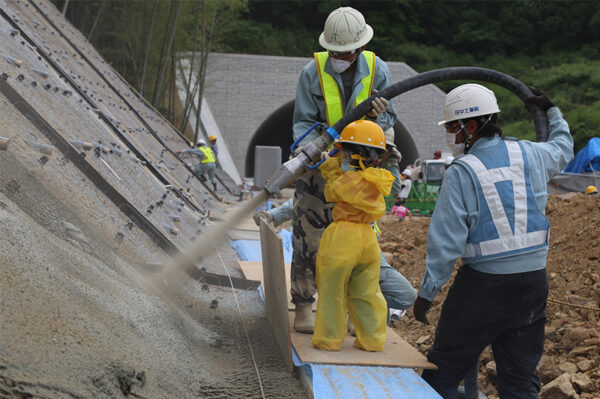
Letting them operate heavy machinery on site (within certain limits), letting them use a core drill,
I even tried asking him to hold the spray nozzle and spray it nicely, lol.

If you say you don't like it at this point, is it already too late?
For people who say they want to give it a try, that in itself leads to something, and,
A company might also be connected to someone.
The possibilities are endless and varied.
I believe that by changing the way we conduct interviews with construction contractors—and the approach we take—we can increase the number of hires.
See you later.