Hello, everyone.
This is Enta.
Right now, construction companies are being pushed into a corner one after another.
Supplies come to a halt. Unit prices don't go up. The company's cash flow gets tight.
When things get to this point, there’s something that’s bound to happen next.
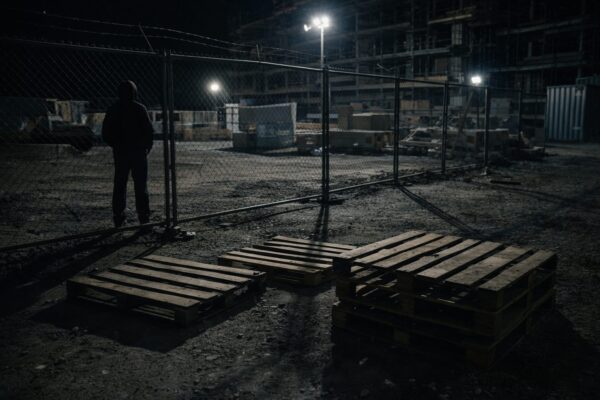
Construction companies are currently being pushed into an increasingly desperate situation.
Due to the effects of this war, the supply of various materials is rapidly drying up.
The supply chain began to break down, starting with the paint thinner.
Thinner is made from petroleum-based solvents (such as toluene and xylene).
I think I mentioned naphtha in my last post.
Due to the war, it has become difficult to procure various raw materials.
It has become difficult to obtain sink and toilet products from major manufacturers such as TOTO.
Major manufacturers are adjusting or suspending shipments...
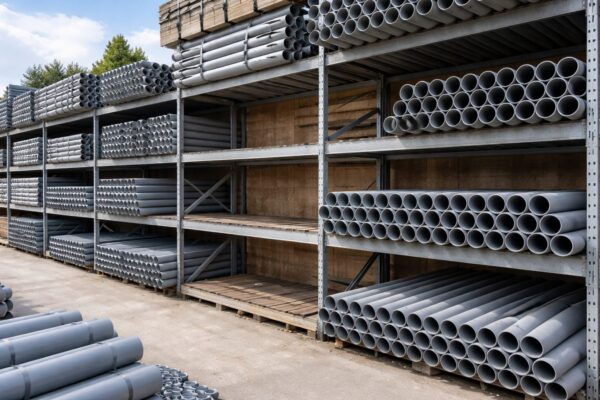
Shipment restrictions on PVC have also begun.
It's out of the question if we can't get the PVC to the job site.
Whether you're in civil engineering or slope stabilization, PVC is super important, right?
It may only be a matter of time before work on the site comes to a halt.
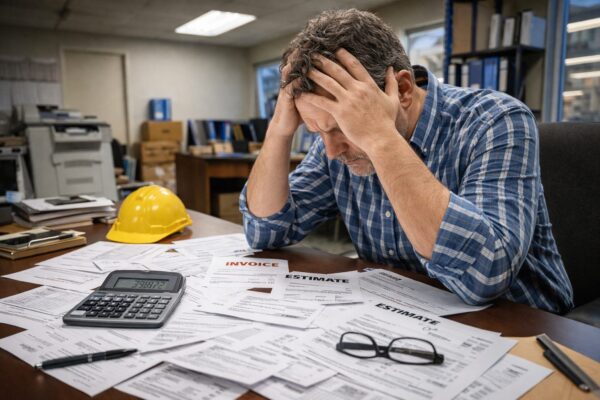
If we can't adjust unit prices, we'll go bankrupt overnight.
Material costs are rising.
But our average order price isn't going up. (Privately-sector prices are skyrocketing, while public-sector prices are just... stagnant.)
This is the reality facing construction companies today.
I have to finish the work I’ve already taken on, but material prices are going way over the estimate!
When this happens, the company's cash flow quickly becomes strained.
When the cash starts to run low, you know exactly what happens next.
The next thing to happen is a “crime.”
The reason for this is obvious.
Cash flow becomes tight → The company has no choice but to cut salaries → Employees' take-home pay decreases.
So, what happens then?
In an attempt to make up for the loss of money, some people end up crossing the line.
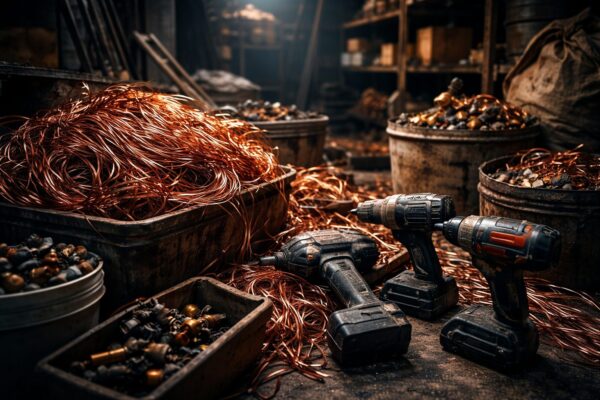
Imagine a construction site. The site is full of things that can be turned into money.
New rebar, scrap metal, tools, copper wire, and machinery with engines.
They secretly take these items and resell them.
This pattern—theft at the scene, followed by resale and then arrest—actually occurs throughout the year.
National Police Agency crime statistics also show a tendency for a correlation between a worsening economic situation and an increase in theft offenses.
When the world becomes abnormal, people become abnormal.
Employees and executives are no different!
This has been proven psychologically, and from the perspectives of the “Broken Windows Theory” and “situational crime prevention,”
It seems that environmental degradation and economic stress can trigger criminal behavior.
It’s precisely when you’re in a bind that you have to make tough choices.
I understand that both stem from a sense of self-defense.
But I know full well that I shouldn't do it.
Steal and resell.
It may seem like an “easy choice,” but,A choice that would cost you the rest of your lifeThat's it.
You'll get a criminal record. (Although there are certainly some people who don't mind.)
I won't be able to stay in the industry.
Losing a family member.
Lose credibility.
So, what exactly is a “tough choice”?
If your salary goes down, improve your skills.
Get a certification.
We will make an effort to cut costs.
If you're a slope contractor, you should use times when there are fewer projects as an opportunity to hone your skills and set yourself apart.
It's not a way to feel better right away. It's tough. But this is the right way.
"How a person acts when faced with a problem" is a direct reflection of their mindset.
Making a hasty decision will cause you to lose sight of who you are in the future.
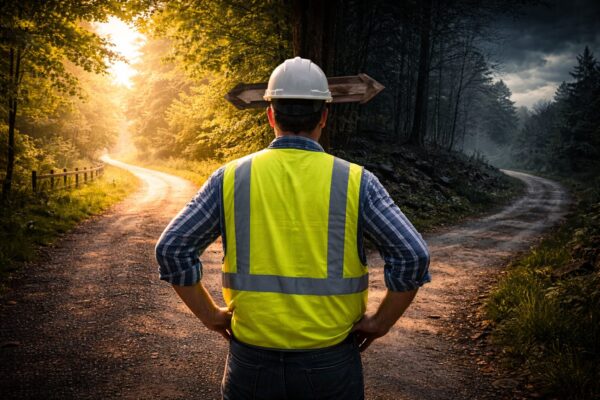
Your mindset is fully revealed in how you act when you're in a bind.
Based on my past experience, I can say that,
"People who have grown accustomed to abnormal circumstances make abnormal choices as a matter of course."That's the point.
And then"When a normal person is placed in an abnormal situation for a long time, their judgment begins to falter."That's the point.
That is precisely why, while keeping an eye on the current state of the construction industry, business leaders in particular need to pay close attention to the people and environment around them.
When times are tough, make tough choices.
It’s precisely when things get tough that you have to make tough decisions.
See you later.