

Hello, everyone.
This is Enta.
This is about a paint I've been really into lately.
What I like most about it is that I think it has excellent adhesion and rust-preventive properties.
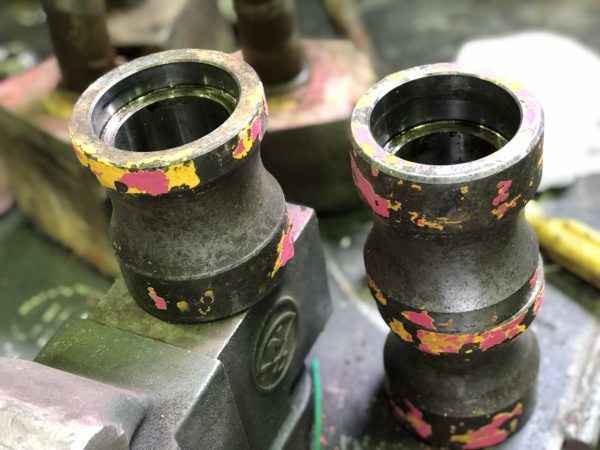
This is what it looked like before the work was done lol
Since there is old paint on it, we'll remove it using the "Skeleton" paint stripper.
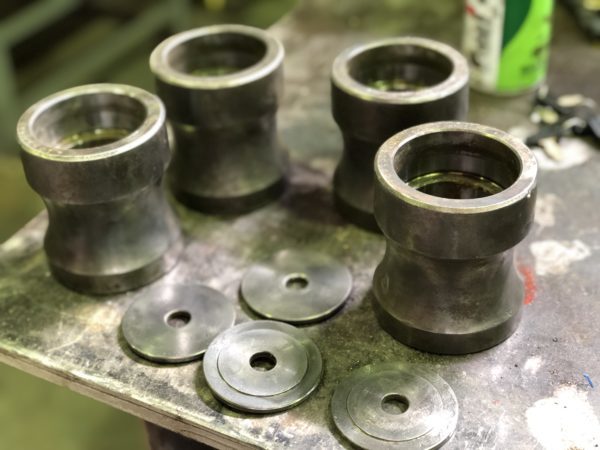
It will look something like this.
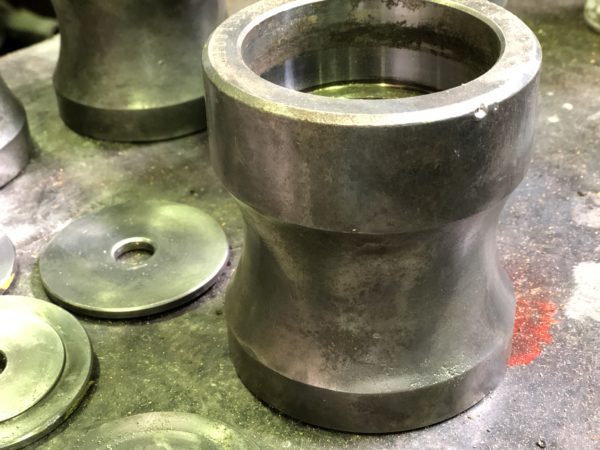
But actually, there’s still a small bit of rust left on this.
If you don't remove this, rust will eventually start to form there and push up the paint.
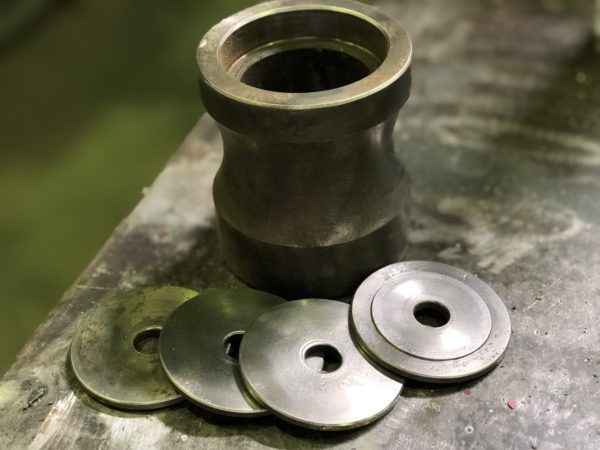
It does look pretty at first glance, though.
Soak it in liquid rust remover.
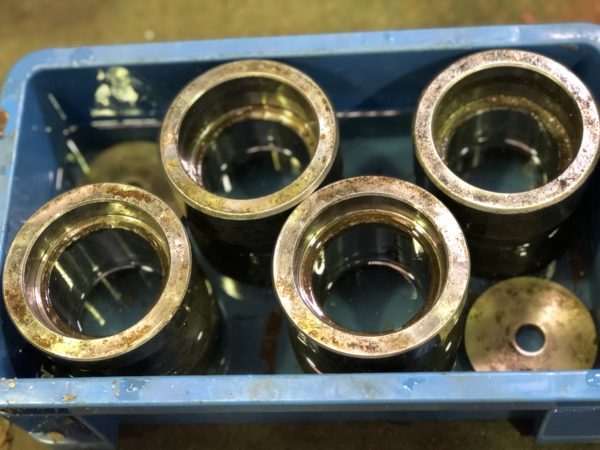
Place a tissue on top of this so the liquid spreads evenly to the top, and make sure it absorbs well. (I’ve removed it for the photo, though.)
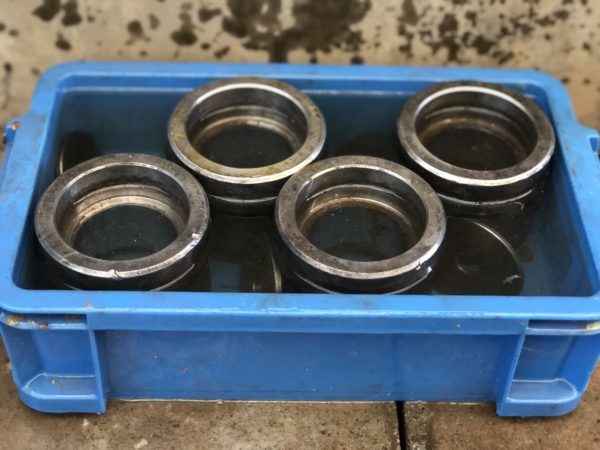
After half a day, the rust is almost completely gone.
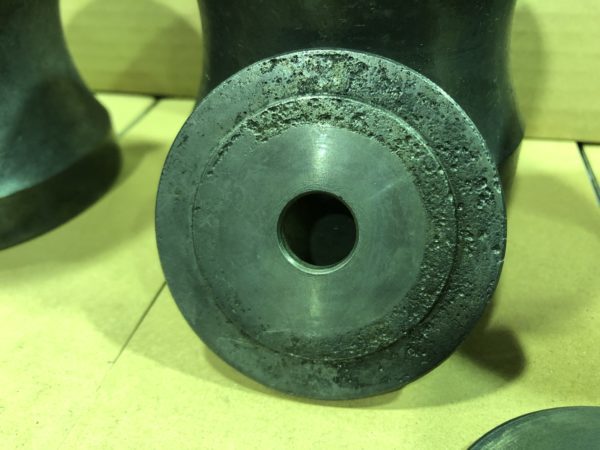
The rust that hadn't come off came off, leaving it full of holes.
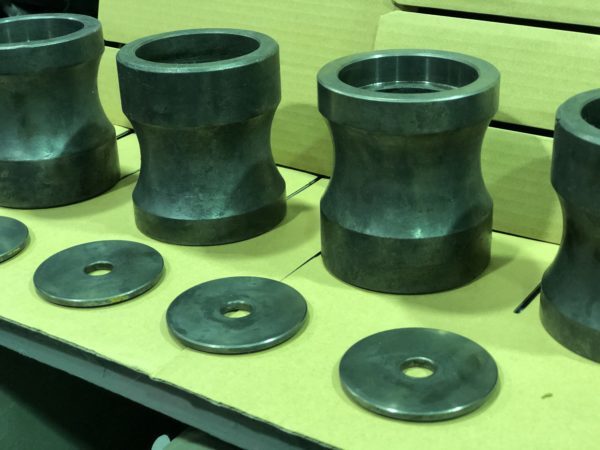
It came off cleanly.
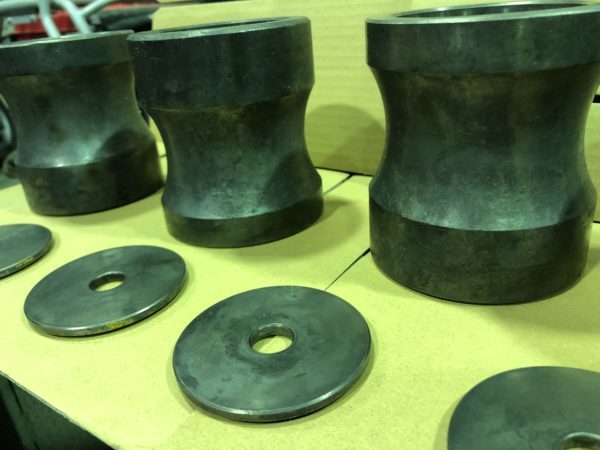
Once all the rust has been completely removed, I'll dip them one by one into thinner to degrease them.
If you don't degrease the surface, the paint won't adhere properly.
Although the parts have been degreased with a rust-removing solution, we will degrease them thoroughly.
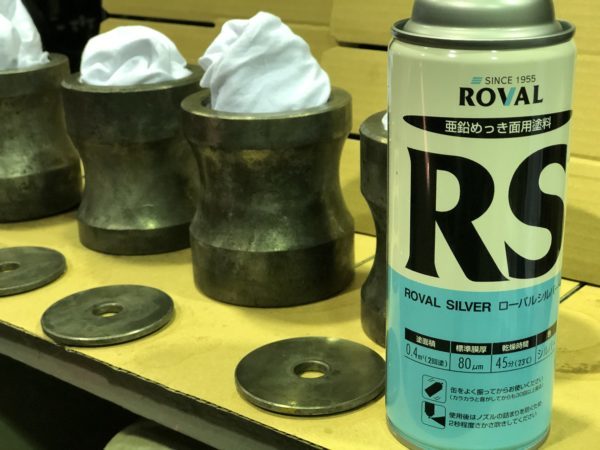
After degreasing, apply the paint immediately. Oxidation begins right after degreasing, so you need to paint quickly.
The rust-preventive paint we use is Lobal.
This is the type of paint people often use when the zinc plating has worn off.
It adheres well and is excellent for painting over existing surfaces.
Please shake well before use.
At first, there’s no need to apply a thick layer—just a light, quick swipe is enough.
Please be careful, as it tends to get surprisingly thick.
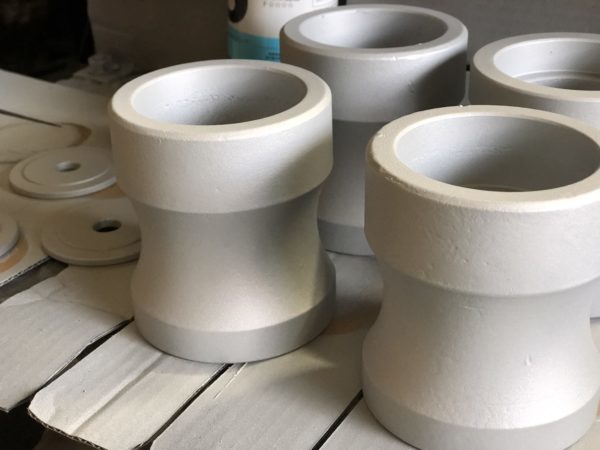
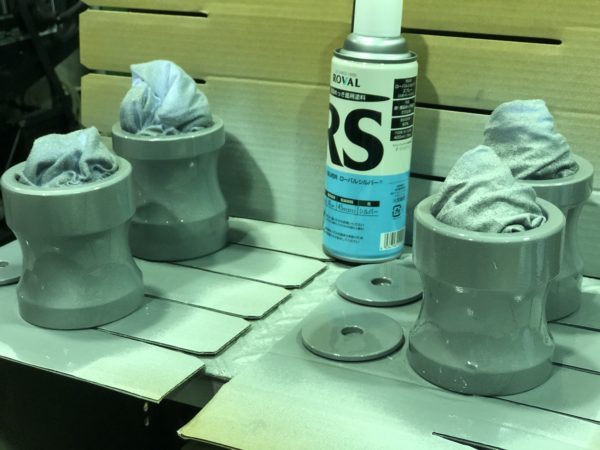
It will turn out with a silver finish like this.
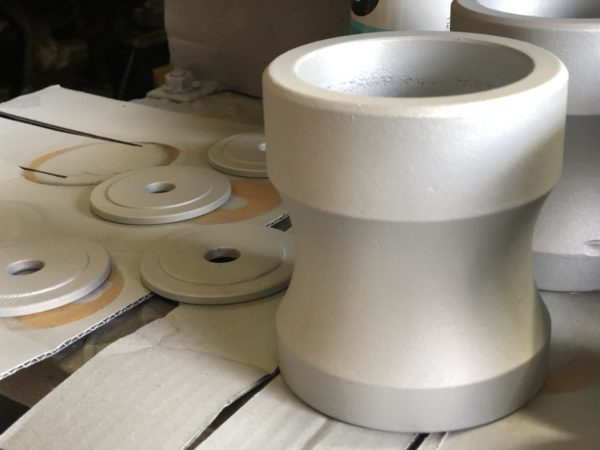
At first glance, it looks like it was painted nicely.
It feels nice to the touch, too.
You could paint over this, but for now, I'll assemble it first and then paint it. (I'll apply grease afterward.)
Lobal paint is a bit pricey, but it's truly excellent.
It works especially well on areas prone to rust.
It has excellent weather resistance, too.
We've been using it for a long time, so we know exactly how effective it is.
However, since painting with a brush is a bit tricky, using a spray can is easier.
If you want to apply a large amount, we recommend using an air spray.
I think you should just dilute it with thinner and spray it on.
The key is to make sure you degrease it thoroughly.
In the worst-case scenario, the oil will cause the paint to bead up.
Please be careful.
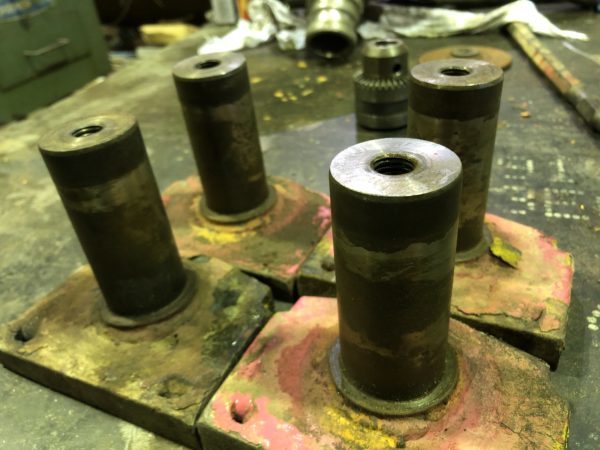
Clean the bearings in the same way, but wait to paint them until after you've mounted them on the spring drill.
Remove any paint or rust first, then paint after welding. (Because the paint will burn off during welding.)
Once you set this up, moving the spring drill will be a breeze.
That said, since I’m planning to attach a winch to the spring drill, this will be more of a secondary use.
The spring drill weighs 500 kg in its stock condition.
Since the design goal is 500 kg, it has been made significantly lighter.
However, in actual practice, there isn't much difference between 500 kg and 600 kg.
So, here at our place, we’ll modify it to make the work a little easier.
This is another way to make the construction process a little safer.
I'll let you know again when I install the winch.
See you later.