Hello, everyone.
This is Enta.
Now that Obon is over, things are going to fly by until the end of the year!
We had two accidents this year, too, so we’re going to be extra careful.
When an accident happens, it causes inconvenience to many people, and I truly feel sorry about that—especially to those at the scene.
Let's stay safe!
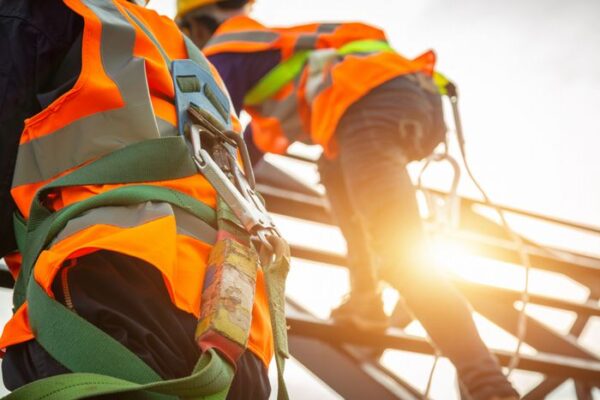
This is a continuation of the previous post.
How are they going to get that machine up the slope 50 meters above? (Part 1)
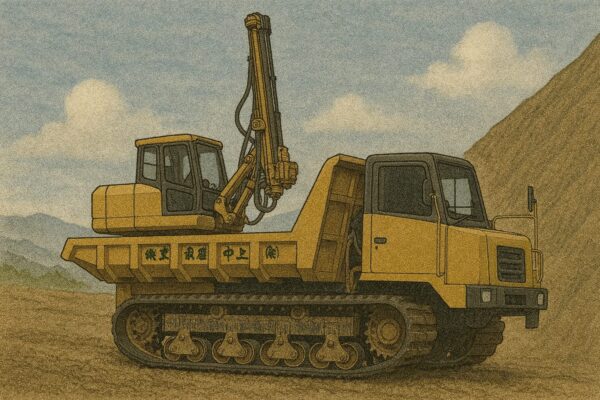
If a backhoe (BH) can reach the location, an off-road transport vehicle is also a viable option.
The all-terrain transport vehicle is much faster when covering longer distances.
Load the machinery onto a crane or similar vehicle at the base of the slope (machinery yard), and once the BH is positioned at the construction site, you can unload it.
I think there are some job sites where it’s too difficult to transport materials using a BH, so an off-road transport vehicle is extremely useful.
However, there's one problem: I get the feeling that not many people have the necessary qualifications.
Anyone can get a license for vehicles weighing less than 1.0 metric tons by completing special training, but there are few licenses for vehicles weighing 1.0 metric tons or more.
I wonder if about two people here have one, too?
Since I don't use it much, there's a bit of a hurdle in terms of certification, lol (though this part would just end with "I'll just get it," lol).
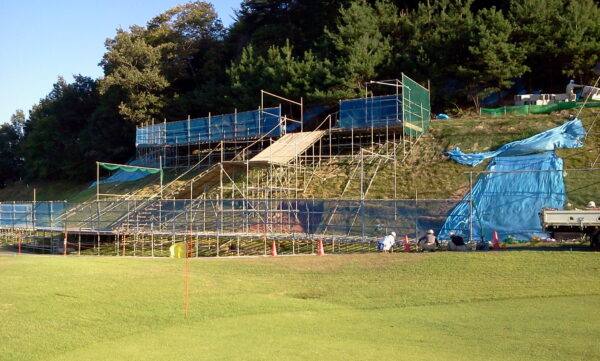
In the photo above, since we were unable to build a temporary access road to hoist the machinery, we extended the scaffolding to create a makeshift ramp and hoisted the machinery up that way.
The slope is also about 40°.
That's a pretty rough trick—forcing it up using a chill hole.
The machine weighed approximately 2.0 metric tons at that time.
Although this will increase the amount of scaffolding to be erected, if there’s no other option, this is one way to go about it.
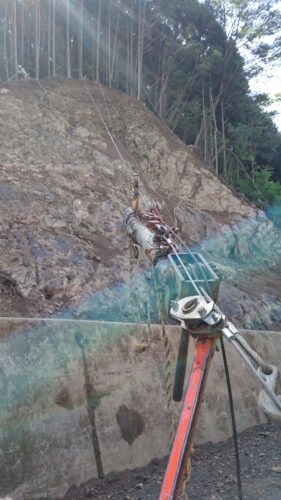
In some cases, it is also possible to pull it up vertically from directly above using cantilever scaffolding.
Even if I say I can do it, it's still quite a challenge.
We'll build cantilevered scaffolding and erect a tower directly above the machine.
We'll hoist it up from the tower using a chain hoist.
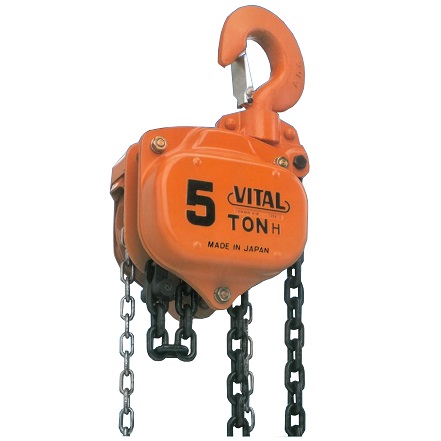
Once you've hoisted it all the way up, complete the scaffolding directly below it while it's suspended.
It’s like placing the machine there and pulling it along to the installation site.
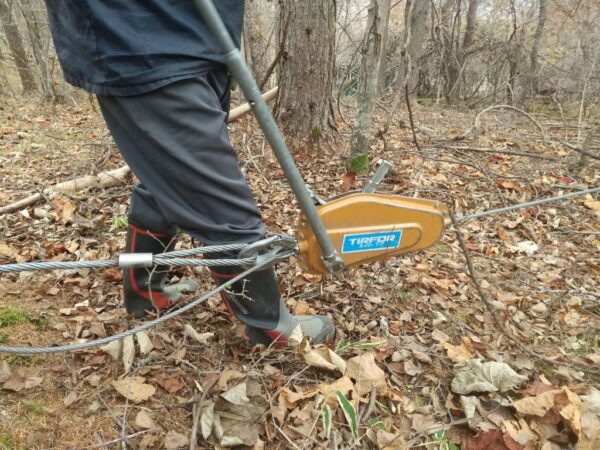
In this chill hall, we'll gradually pull it along using wires, pulleys, and shackles.
This is the kind of thing where it’s all about getting used to it—people who know how to do it can do it, and those who don’t, can’t.
If it's a place that's easy to reach, we could set up a simple cable system, but since we're only talking about about 20 kg, it wouldn't be feasible to use machinery.
I think selecting machinery is extremely difficult, even in the design phase.
It’s especially true if you don’t know the machine’s capabilities—not to mention the actual work site, of course.
With the workforce set to shrink even further, it seems we won't be able to improve efficiency unless we know how to use the machines...
These are becoming difficult times.
See you later.