



Hello, everyone.
This is Enta.
Which anchor has friction?!
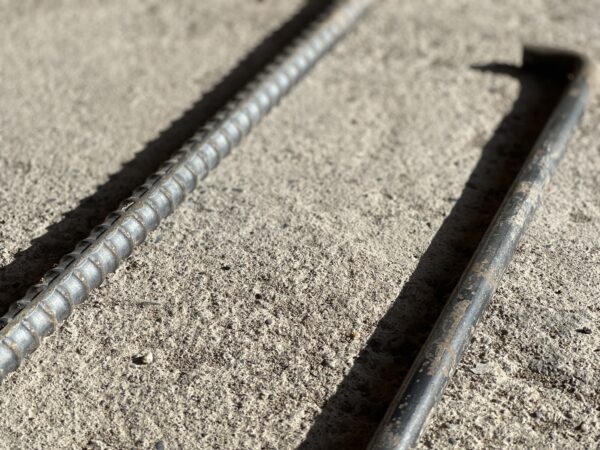
Which side of this anchor pin do you think has friction? lol
I guess you could say that, at first glance, rebar with ridges is the type that creates the most friction, right?
When installing the main tie rod, you use rebar with ridges, right?
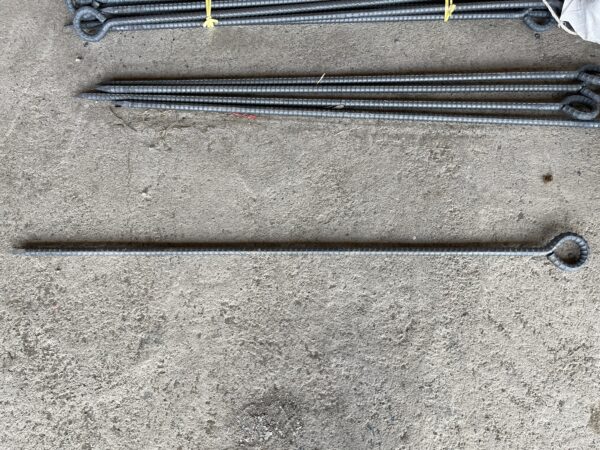
Commonly known as "glasses rebar"!
This is the rebar used for the main reinforcement at every construction site right now.
The fact that this rebar is being used suggests that standard ribbed rebar is generally considered to have high friction.
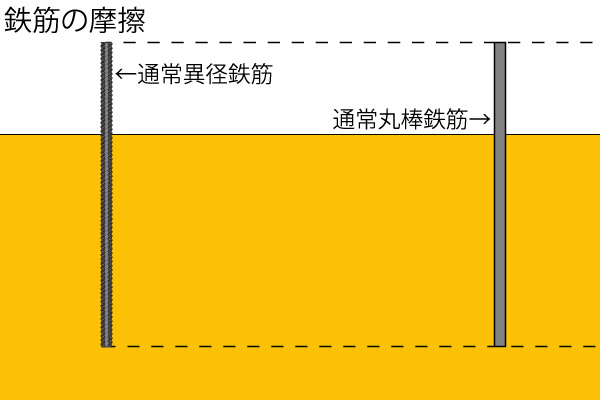
I'm looking at it through simple drawings.
This is a picture showing standard rebar of different diameters and round rebar being driven into the ground.
You can't really tell there's any friction just by looking at the picture lol
But I'll try zooming in on this.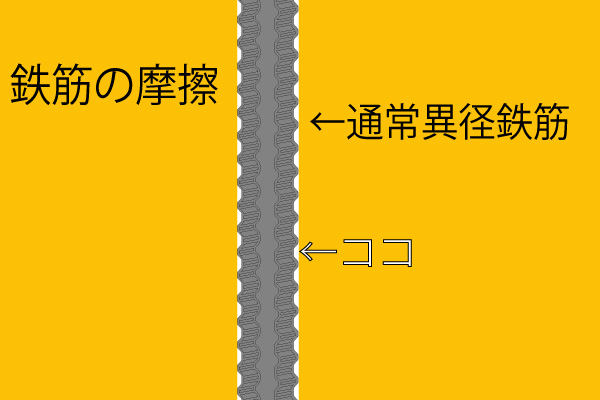
With standard rebar of different diameters, the ridges are gradually ground down.
That means the only part subject to friction is the top of the node.
The white areas indicate that there is no friction.
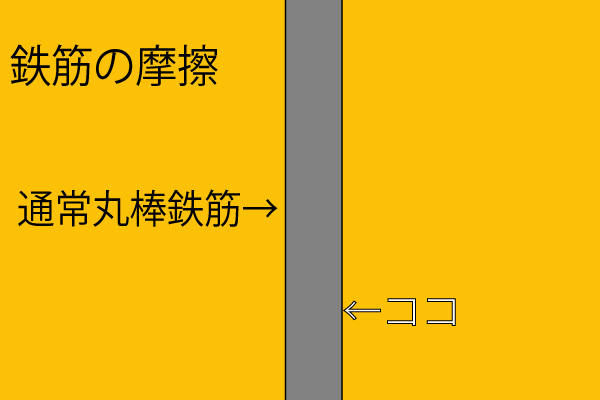
Round rebar can provide full-surface friction.
To get straight to the point,
This means that round rebar can provide better friction than deformed rebar.That's it.
If there's no friction, it means it won't come off easily.
You might think the cracks will fill in over time, but once the soil has been loosened, it doesn't go back to the way it was so easily.
Surprisingly, irregularly shaped rebar does come out, doesn't it?
If possible, the rebar used for the main tie should be round bar, as it is less likely to slip out.
If your “glasses rebar” is round bar, then you must be quite the enthusiast!
See you later.



It's surprising (!), but I find the explanation convincing. I see.
That's surprising, isn't it?
Strictly speaking, the basic rule is to pour concrete into the soil section, lol.