



Hello, everyone.
This is Enta.
When it comes to ground anchor work, which type of anchor material do you prefer? Is it easy to install?
Is there anything you'd like to see improved?
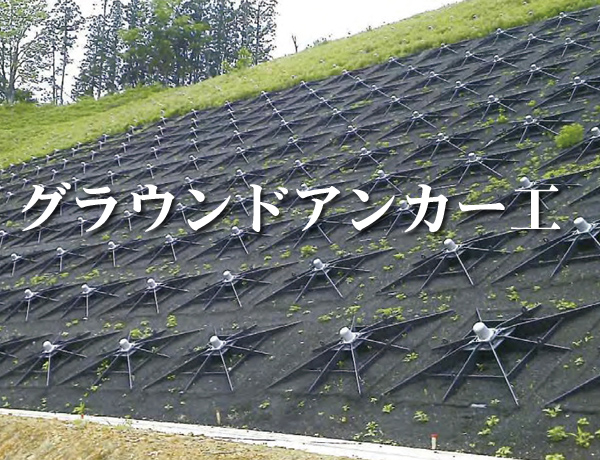
As of now, the associations Enta is a member of (where he can buy materials) are
Other anchors I use include
Or something like that...
Other than that, I use them as needed.
Anchors that have been installed in the past are
SSL Anchor (National Land and Disaster Prevention Technology)
(Generally, materials for ground anchor work are supplied by the association.)
Well, there are others besides these, but for now, I guess these are the “major” ones?
NM anchors might not be the most common, lol, but I think I've installed them at a hot spring resort before.
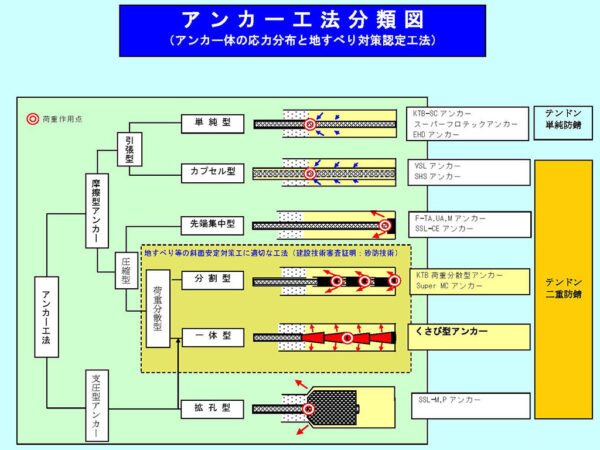
The basic characteristics of ground anchor materials are as described above; they are distinguished by the way the load is distributed, but,
If you take a closer look, you'll see that each company has its own unique characteristics lol
Since the basic construction methods don't differ much across these techniques,
From our perspective as the contractors, they're all pretty much the same, aren't they? lol
Though, with load-distribution types and the like, dealing with the tension is a bit of a hassle, I guess~
As long as the supervisor has a solid grasp of the construction process, the work can be carried out.
I guess the most important part is the position of the anchor material relative to the drill hole length, huh?
If we miscalculate the remaining length, it could lead to a major disaster, so we really need to keep a close eye on it.
In terms of workability alone, the only real difference is whether the tensioning process is easier or not.
Simply put, anchors that are easier to jack up are easier to install.
With that in mind, I thought the SE model—which has a 100V jack—might be easier to use, but...
Do you pay attention to keeping the apartment unit in the same position? There are downsides, too.
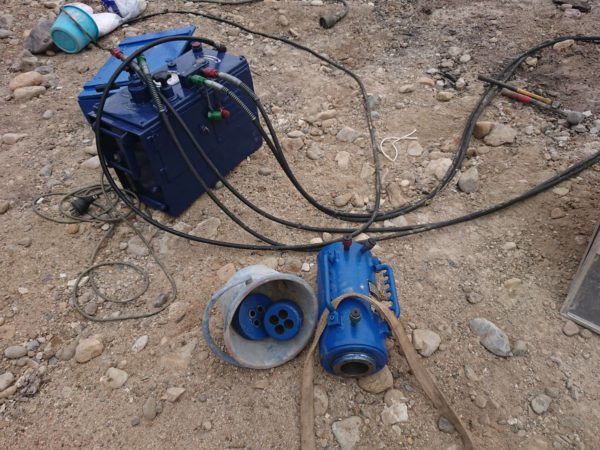
There are pros and cons, but overall, I'd like the jack to be smaller.
How am I supposed to move this with a jack rated for over 400 N?
That happens quite often.
I guess it can't be helped when you consider things like the stroke of the jack cylinder, though...
It’d be great if the car could get close enough when unloading (lift-off), but if it’s far away... (rolls eyes lol)
And 200V is really tough, to say the least.
It would be great if those aspects could be improved just the right way, though.
If it's lightweight, I think a hand pump is more convenient since it doesn't require a power source.
Or maybe a jack that runs on Makita batteries? lol
It would be great if they could make improvements in areas like this, too.
See you later.


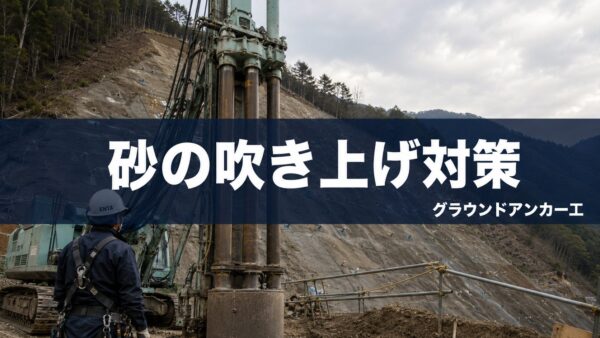
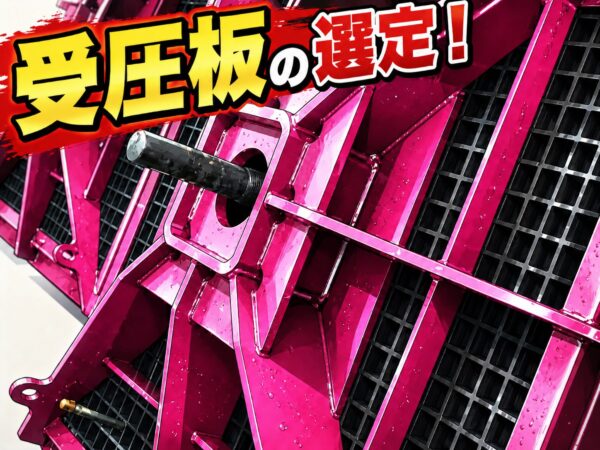
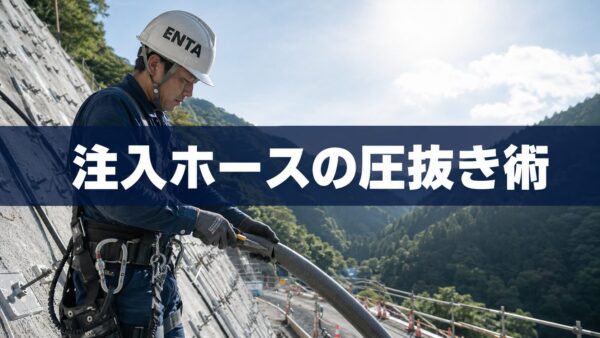
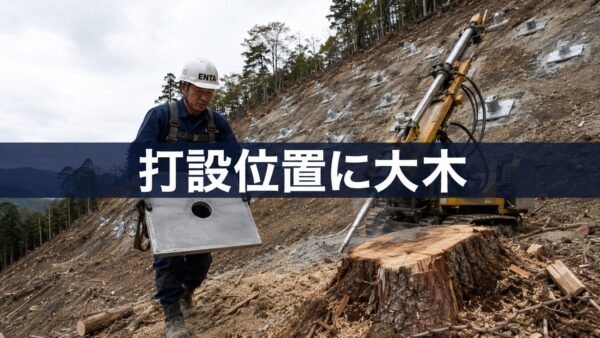
For our first anchor installation project, we followed a design that treated the first anchor as a substitute for a test anchor—without actually installing a separate test anchor. However, that first anchor came loose, so we had to start over with re-drilling. We ended up testing both standard anchors and expansion-type anchors under the guise of “test anchors,” which turned out to be a valuable learning experience.
In the end, we decided to keep the expanded anchors used in the test, while for the other anchors, the drilling depth doubled from the original plan, and some had to be replaced entirely.
My experience is limited to SSL and SEEE, but I've been able to gain some pretty intense experience, lol.
Sometimes you have to substitute for a test anchor, right?
Well, it's better not to let it go to waste, right? ^^
It's important to have all kinds of experiences, lol.