Hello, everyone.
This is Enta.
Concrete or Mortar for Slope Construction? (Part 1)
Concrete or Mortar for Slope Construction? (Part 2)
Concrete or Mortar for Slope Construction? (Part 3)
Following up on my previous post,
In this post, I’d like to write about what happened after the mortar and concrete spraying.
And here are the measures to address that.
What Happens After Mortar and Concrete Spraying?
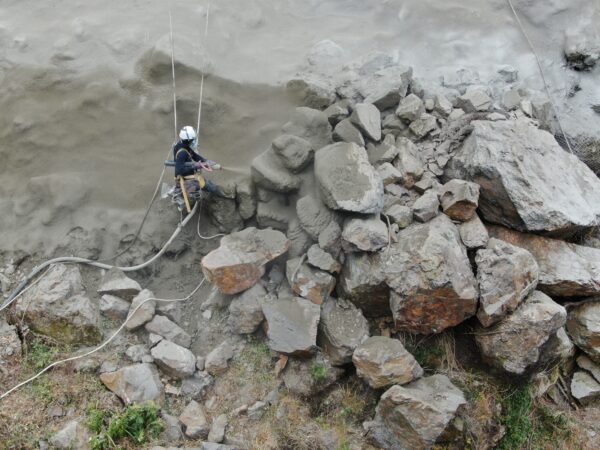
I don't think many people give it much thought these days, but what's the condition of the mortar and sprayed concrete from decades ago?
Well, over the past few decades, some places have taken measures to address this, while others haven't.
There is a clear difference.
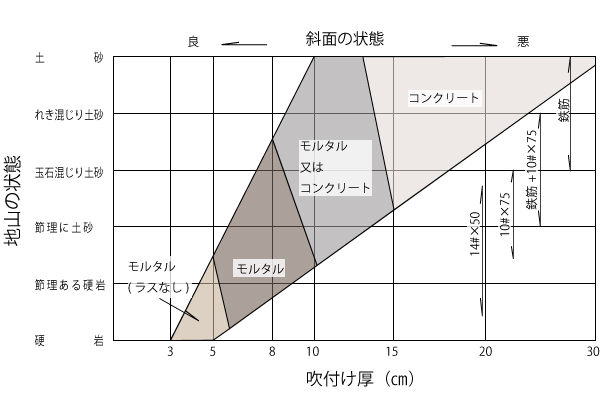
Please take a look at this table—it shows areas where the mountain conditions are poor and the terrain is similar to a landslide.
Sprayed concrete sites are particularly common.
Well, to be honest, I’d been predicting that back then, and I used to say, “It’s all worn out and hollow inside, isn’t it?” lol
Hollowing is becoming increasingly noticeable due to leakage from the back.
Then, about ten years ago, restoration work for existing mortar and sprayed concrete surfaces began.
Hollowing Out Due to BackflowIt's the restoration of the slope, isn't it?
A construction method that involves injecting material into the structure to bond the existing mortar with the new mortar?
Well, Hatsu is used because it's cheaper than redoing the work.
I guess that's fine, but I can't help thinking, "Wouldn't it be better if it were simpler?" lol
For future construction projects, what steps should we take to ensure this doesn’t happen again?
That’s extremely important, but recently our company has been using products like these.
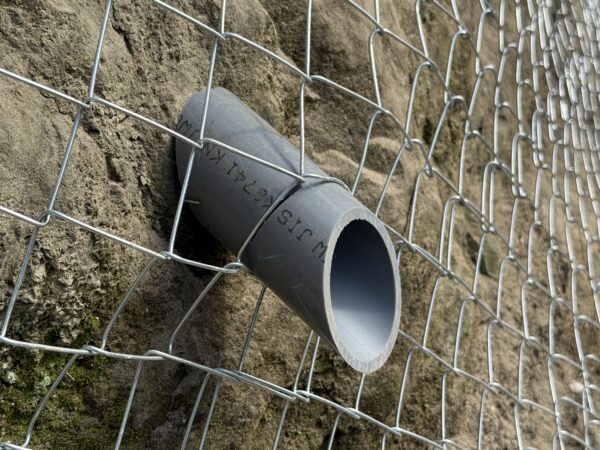
We use it in areas with loose soil and in places that are certain to weather over time.
I suppose the bedrock area would be fine, but,The Latest InnovationsI think you can use it there!!
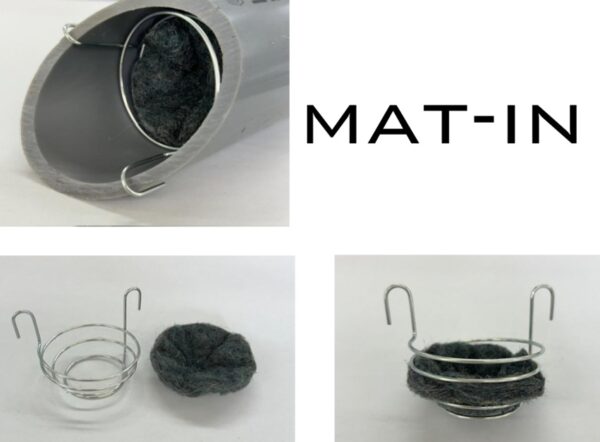
The mat embedded inside the PVC prevents soil and sediment from washing away!
This has actually happened quite a few times before.
As I'm sure you all know, you can cut an anti-suck-in material into a square, press it against the back of the PVC, and spray it on, or you can place plastic items inside it.
However, it was very difficult to work with and quite a hassle.
What's more, this PVC pipe is delivered pre-cut with a built-in mat insert!
And with sandbags, no less!!
It's convenient because you can use it right on the job site!
No more hassle of cutting on-site, and no more waste (cutting scraps and offcuts)!
And best of all, it’s easy to put on and hard to take off! (That’s a really important point, isn’t it?)
And there's one more trick, but,
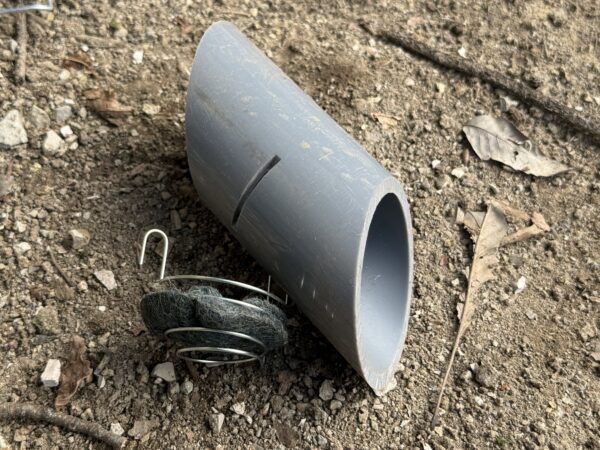
There is a notch.
This notch fits into the lath, holding it in place and making it harder to come loose.
I have a feeling this will become standard practice in the field of sprayed mortar and concrete going forward.
I think we need to get creative and use products like these to help preserve the mountains for the long term.
See you later.
By the way, since we have already obtained a patent for this product, please be wary of imitations.
I've added the catalog to the "Downloads" section, so please feel free to use it.
(Please have the trading company contact us regarding sales.)