



Hello, everyone.
This is Enta.
Continuing from yesterday, today’s post is about artisans.

What changes do you think eliminating overtime for skilled workers would bring about?
To put it simply,Run into a skills gapI think so.
In the past, if I couldn't do something, I could eventually figure it out by working on it for a long time, but now I can't afford to spend that much time on it.
In the world of craftsmanship, the more work you do, the more your skill improves.
If we can't do that, our skills will decline, and it will become difficult to improve, right?
In today's construction industry, a four-week work cycle with eight days off is becoming the norm.
On projects costing over 100 million yen, about 10 million yen is budgeted for a 4-week, 8-day-off schedule.
If you violate the "4 weeks, 8 days off" rule, your pay will be reduced.
Of course, the general contractor is going to fight tooth and nail to keep it, lol.
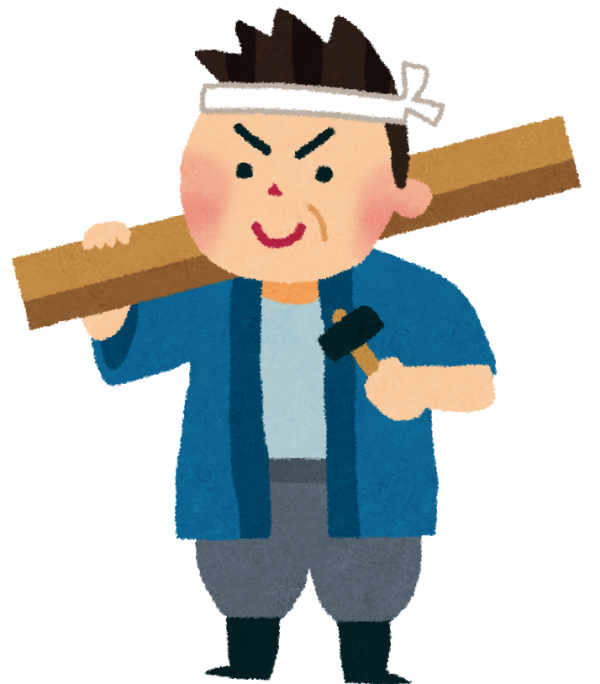
However, if we do that, the technical skills of our craftsmen at the construction company will stagnate.
I'm sure you're wondering, "So what should I do?" but,
These days, the only option is to do some prep work beforehand, like watching videos on YouTube.
It would be great if there were YouTube videos with know-how specific to my industry, but they’re pretty hard to find, aren’t they?
If I’m forced to take time off and not allowed to work overtime, how am I ever supposed to grow!?
It seems like a policy where the Japanese themselves are paving the way for the collapse of Japan’s construction industry!
While it is still possible to rely on outside contractors for training site supervisors and the like,
For craftsmen, it really is important to gain experience by working on a lot of projects.
I'm still figuring out the best way to get there at this point, so if you have any good ideas, please let me know!
This is really a matter of life and death, so we need to find a way to deal with it, don't we?
Let's all put our heads together and figure out how to legally acquire solid skills on the job.
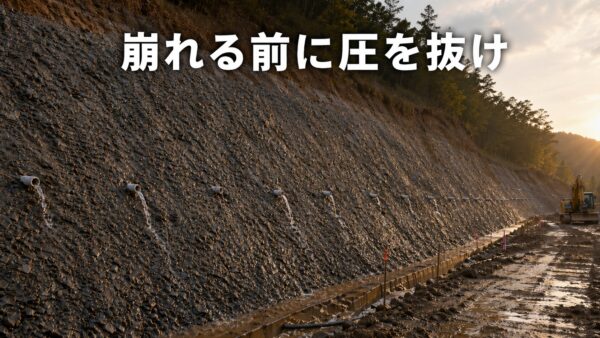
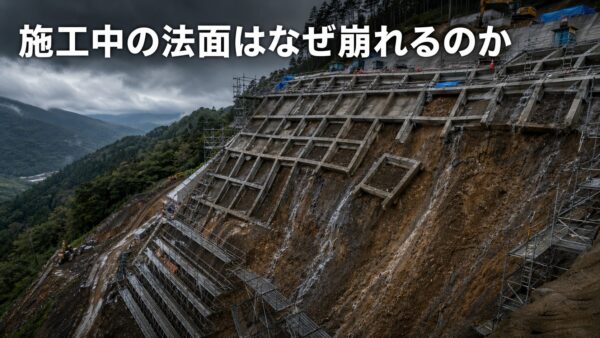
By the way, if we're just talking about slopes, on our YouTube channel...Preparation is possibleThat's it!
Since it’s also available in Vietnamese, we’ve designed it to be easy for technical interns to understand.
There’s a big difference between “I’ve never done it, but I know about it” and “I’ve never done it, but I’ve seen it.”
By looking ahead, you’ll naturally know what to do and how to do it when you’re on the job.
Although the construction methods vary depending on the company, the final result is essentially the same.
For now, let's take a look at what we're going to make and how we're going to make it!
Please be sure to subscribe and watch.
See you later.


As far as employment goes, since there’s no difference if craftsmen of the same age are working under the same conditions, I don’t think it will be a problem finding work even if their skills develop more slowly.
While this is a broader issue—such as the decline of the construction industry—I think there is room for improvement in the training programs designed to help new hires become fully competent as quickly as possible. It should be beneficial for everyone if they can acquire the necessary skills in a shorter amount of time.
If we look a little further into the future, it’s possible that people will gravitate toward industries that prioritize work-life balance, while other industries will decline.