Hello, everyone.
This is Enta.
I've been so busy lately that I haven't been able to keep up with paperwork, invoices, and so on.
We're processing them in order, so please wait a little longer.
We apologize to all those involved.

But that's beside the point.
Repair of Consumables
In a previous post, I wrote an article about repairing percussion accessories.
And it was delivered the other day. It’s a cleaning adapter.
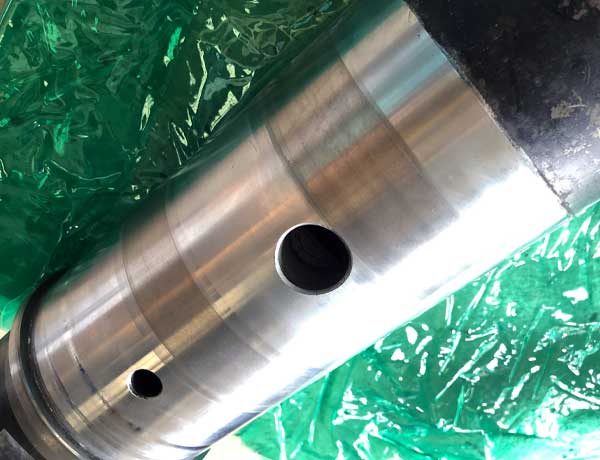
↑↑↑After
What do you think?
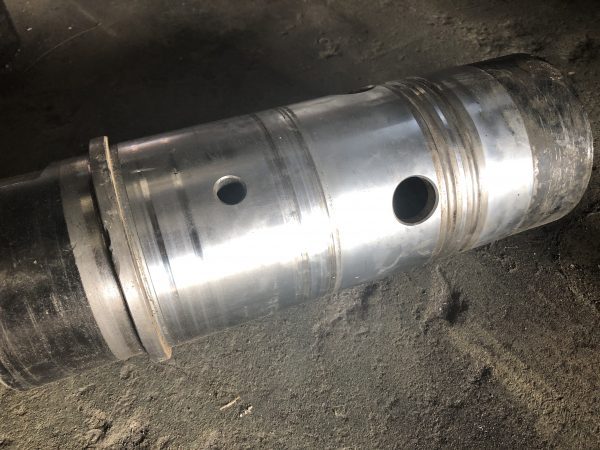
↑↑↑Before
It came back without that groove.
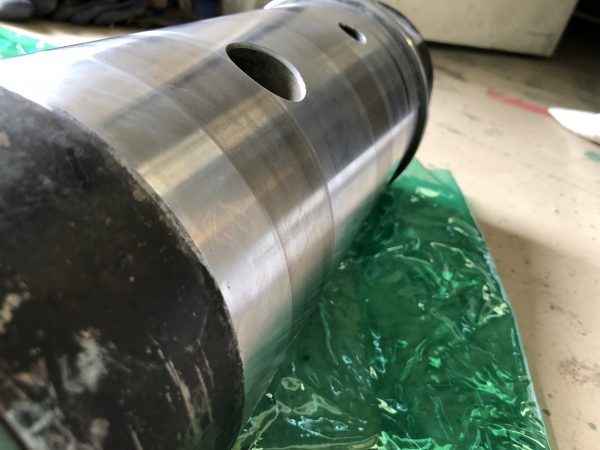
↑↑↑After
It's super smooth.
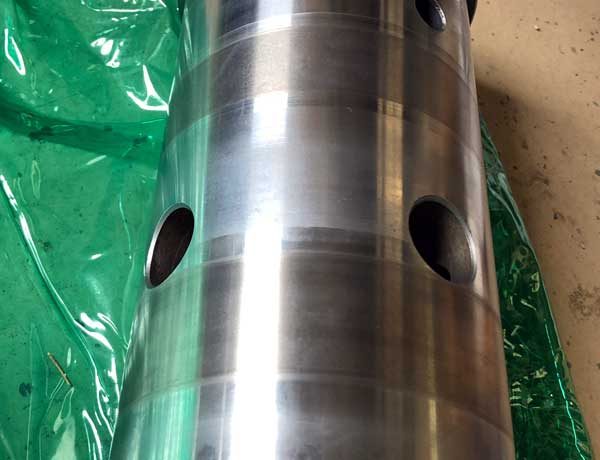
↑↑↑After
You can clearly see where the repairs were made.
You can tell there's a slight difference just by touching it.
Since the accuracy is at the 1/100 level, it should work fine for a gasket.
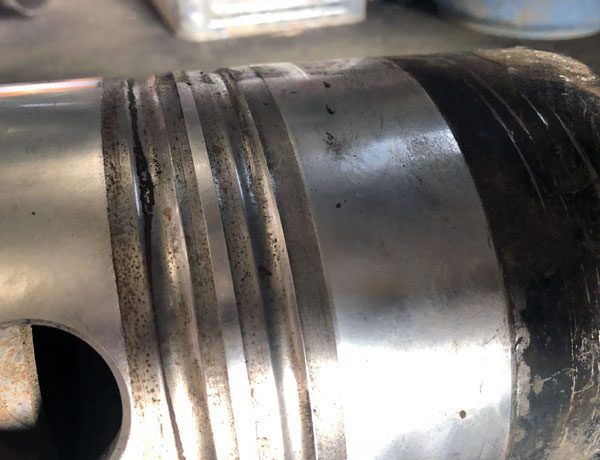
↑↑↑Before
It came back looking much better—all those dents are gone—so I'm happy with how it looks.
The issue is strength.
That's because this repair method involves removing a small amount of the base material before application.
Removing material from the base metal naturally makes it thinner, which means the overall strength is reduced.
I was told that this surface-treated material is apparently stronger than the original equipment plating, so it should last longer, but,
Since it’s no good if the base material breaks in the end, is the limit about two repairs?
Since the cleaning adapter usually breaks at the hole, it’s unlikely that the repair section would break, though...
I won't know until I try it out, so I'll be experimenting with it for a while.
However, since repairs can be pretty expensive, there are some cases where it’s actually better to just buy a new one.
If the shank rod threads are worn or the coupling threads are worn, please just buy a new one (lol).
After all, we can't repair just anything and everything.
However, it can be quite a hassle when the cleaning adapter breaks.
Please keep in mind that there is a risk involved, as it is extremely difficult to retrieve it.
See you later.