Hello, everyone.
This is Enta.
I’ve been saying this for a while, but I just came up with a good idea for testing antifreeze.
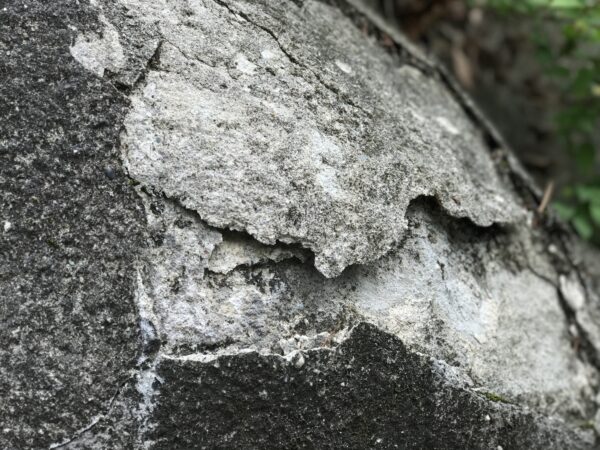
It turns out there’s no need to go all the way to the site just to test antifreeze agents for frost damage, lol.
Well, I guess people who know about it will probably think, “Yeah, that makes sense, lol”…
So, ultimately, the cause of mortar damage due to freezing is the temperature, right?
Since I figured that as long as it doesn’t freeze before hardening, it won’t suffer freeze damage, I thought, “Maybe I should just look up the heat of hydration for now?”
So, the experiment we’ll be conducting is the “heat of hydration measurement test.”
In this experiment, we will measure the heat of hydration.
1. Regular mortar
2. Mortar containing antifreeze
We will prepare test specimens and measure their temperatures.
If possible, use a data logger to check the temperature regularly.
Ideally, I'd like to put it on a graph lol
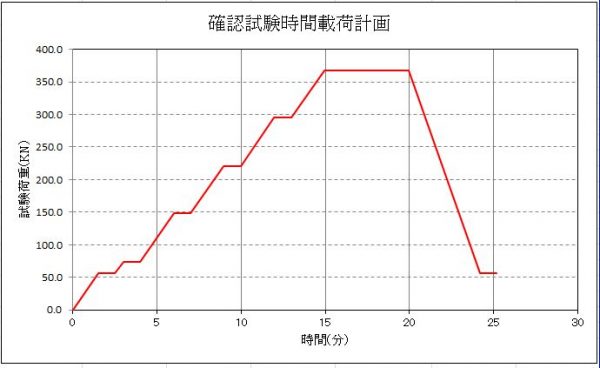
For now, I’d like to look into whether we can measure the heat of hydration in-house, and I’d also like to check with public testing labs and other facilities.
For example, if mortar containing antifreeze has a lower temperature than mortar without antifreeze, it can be said that it is more likely to freeze.
It's really quite simple.
I'll start by looking for a data logger, lol.
If you don't just take what you're told at face value but look into things for yourself, the truth will become clear, won't it?
I want to make sure I never lose that sense of skepticism toward the things I already have.
See you later.