Hello, everyone.
This is Enta.
Today I took a little trip out of town and came to Yamanashi.
It's been a while since I've been to Yamanashi.
It reminds me of a time long ago when we used the large-diameter all-casing method (Benoto piles) in Ōtsuki City, Yamanashi Prefecture.
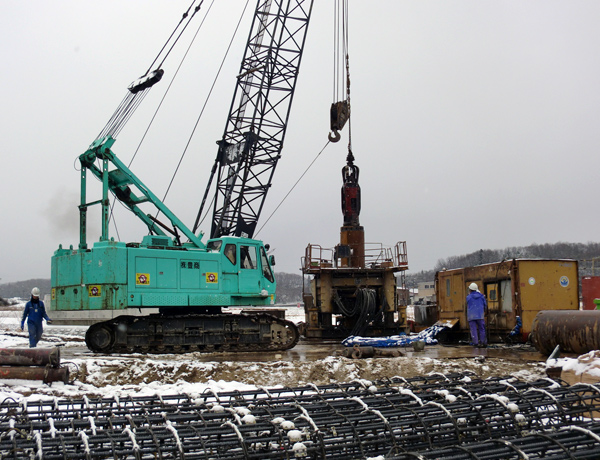
Back then, I was stuck at the emergency response site for the Chuetsu-Oki Earthquake in Niigata Prefecture for about eight months, andI've gained a strange sense of confidence.That's right.
During the day, I oversee the installation of anchor bolts while simultaneously supervising the sprayed mortar work next to me and managing the formwork above.
It was quite a feat to install rock bolts on the sprayed mortar surface from evening until late at night, wasn't it? lol
I suppose this is what people commonly refer to as a “black company,” but back then, everyone around me was working just as hard under the same conditions.
In short, the people working to open up isolated roads, those working to prevent further collapse of the damaged slopes, and the earthwork crews.
Everyone was working together, wasn't it? Haha
My first trip to Yamanashi Prefecture was right after I finished some emergency construction work.
I remember it well—spending a leisurely time there at Benoto-bashira, in a prefecture I was visiting for the first time.
When I think of Yamanashi, I picture a laid-back atmosphere. (laughs)
So, the thing that really surprised me was Koma District! Kyo-ma? Gun?
"Wow, that's one crazy name!!"
But it's the same name as the main character in that "Bari Bari" legend. Haha.
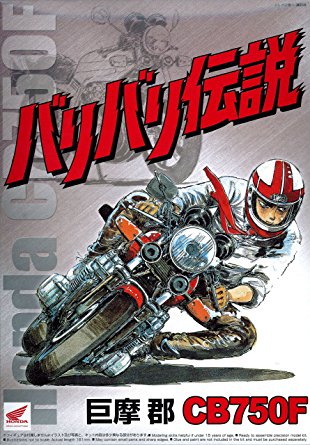
That really brings back memories, lol.
But that's beside the point.
The Key to Head Processing
During the second half of the ground anchor installer certification renewal training held the other day, regarding the method for treating the head...
There was one thing I was told to make sure I did properly.
I didn't know that either.
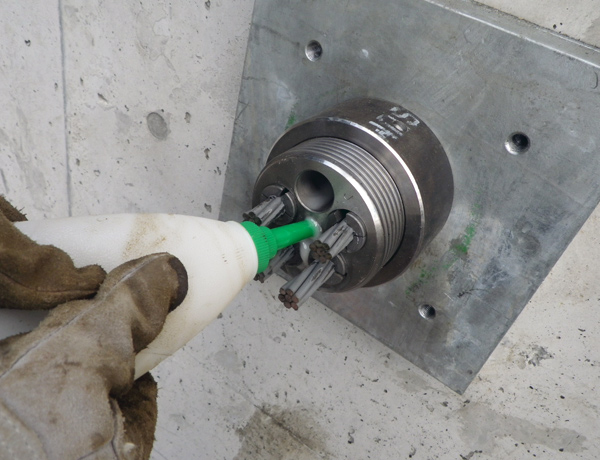
Place materials such as waterproofing compounds, expanding agents, or foam rubber and polyurethane foam—which act as rust inhibitors—behind the anchor head.
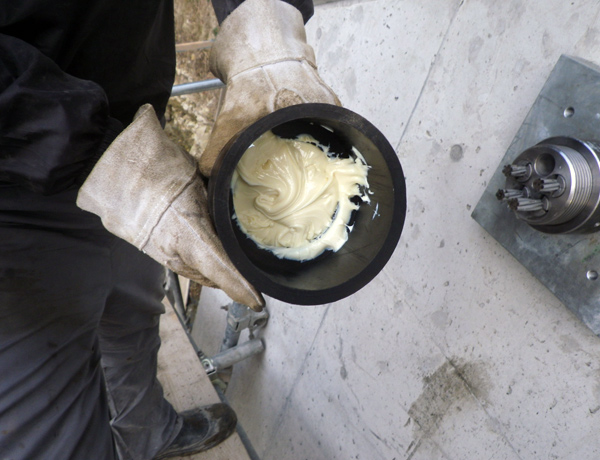
I applied rust-preventive oil to the head cap.
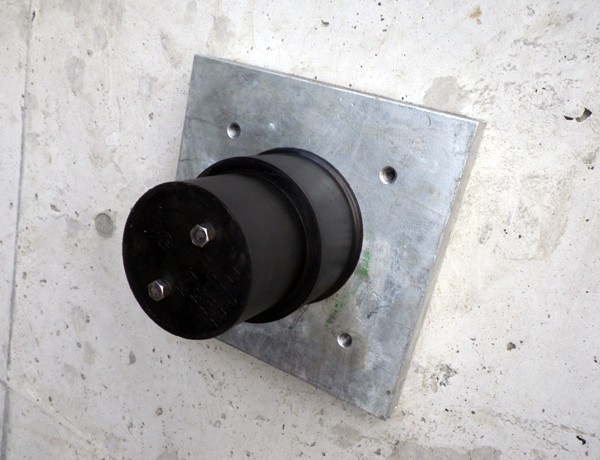
I closed the cap.
That won't do!
The problem is that the rust-preventive oil apparently doesn't adhere well to the anchor head, wedges, or PC steel strands.
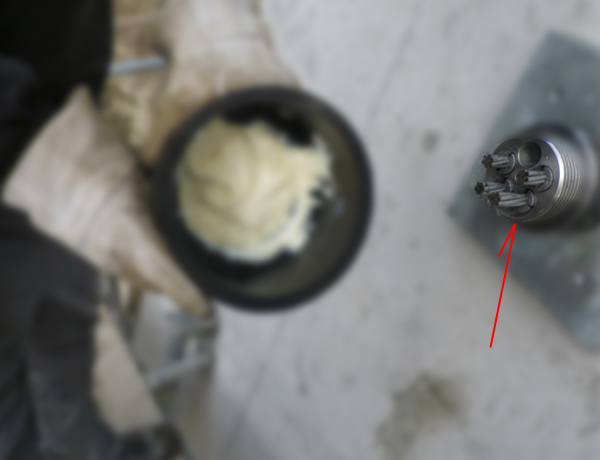
If it doesn't bond properly, it will rust in a few years, which makes it extremely dangerous.
So,You need to make sure to color in the area indicated by the arrow thoroughly.That's right.
Apparently, even in the worst-case scenario—if there’s no rust-preventative oil in the head cap—as long as the head itself is thoroughly coated, the anchor head won’t rust.
(Please make sure to fill the cap all the way, too.)
It turns out that just a little thoughtfulness is the key to making things work in the long run.
Things You Must Never Do When Treating the Head
This actually surprised me, too, but,
If the anchor is not treated at the head on the same day after it has been tensioned and set,
There are contractors who handle all the head-related work in one go at the end.That's right.
This, at least,Things You Must Not DoThat's it.
It is an absolute prerequisite that head treatment be performed on the same day as the tension procedure.
That's because it's guaranteed to rust within a few hours.
The material used for anchor heads and the like is commonly referred to as "raw material"; it is simply cut-out iron in its natural state.
Oxidation begins immediately upon contact with oxygen.
If you don't have time and absolutely have to come back another day, just apply some grease before you leave, and you'll be fine.
However, if there is a risk of rain, you'll need to wrap it in plastic sheeting or tape.
That just goes to show how important it is to protect anchor heads from rust.
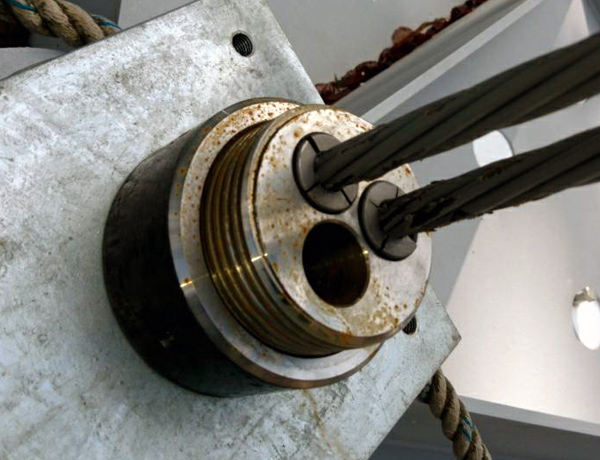
This kind of thing is absolutely unacceptable.
At this point, you'll need to scrub it with a wire brush.
However, it's already too late, and applying rust-preventative oil on top of this won't stop the rust from spreading.
Please be very careful.
See you later.
I can't stress this enough: This is how you handle the head of a ground anchor!