



Hello, everyone.
This is Enta.
The other day, I was talking to a senior colleague from Kyushu (he works in slope stabilization), and he told me that the cement had "caught a cold," which caused quite a bit of trouble.
That's just the common lingo we slope engineers and civil engineers use, right? lol
Cement caught a cold.
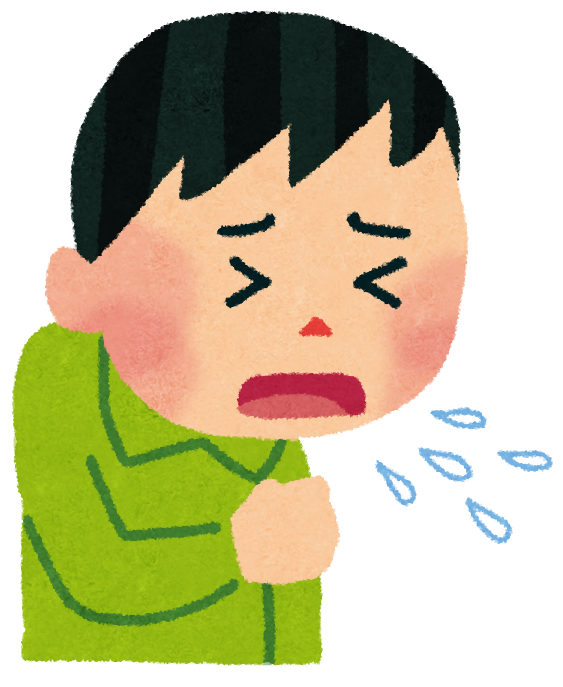
I think the average person wouldn't have a clue what that means (lol)
When you think about it calmly, it's really funny, isn't it? lol
Over 95% of the people reading this blog are involved in civil engineering!
They say they catch colds as if it were the most natural thing in the world, don't they?
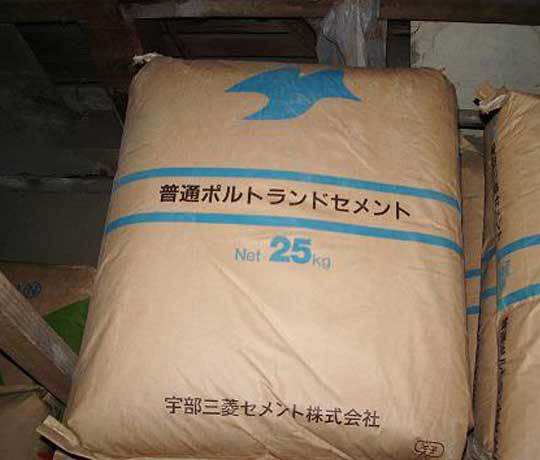
Ultimately, the moisture in the air reacts with the cement through a hydration reaction, and
This is a phenomenon in which the mixture hardens starting from the areas most prone to absorbing moisture (the four corners of the cement bag).
So, what happens when you use this cement?
Naturally, there will be variations in strength.
As for how the variation occurs, compared to cement slurry where only the cement has set,
In the case of cement plus sand equals mortar, the basic strength is different.
When cement milk—in which only the cement has hardened—is mixed with mortar (e.g., in sprayed mortar applications)
Since they are completely different materials, there is a risk that a crack could suddenly form in the high-strength area due to some kind of trigger.
(This is merely a concern. It has not been verified.)
Even when used as cement slurry, if it mixes with material that has already set and hardens,
They'll be cut off. It has a bit of a "cold joint" vibe to it.
Furthermore, since the amount of cement has decreased, the water-cement ratio is generally trending upward.
A higher water-to-cement ratio means that workability increases while strength decreases.
In conclusion,
It's best not to use cement that has been exposed to cold weather.
In reality, it often doesn't have much of an impact, but,Factors contributing to a decline in quality should be eliminated.
So what you're saying is that it's safer to eliminate anything that might invite criticism.
See you later.



That's interesting! But I guess it's a risk that happens often enough to have its own idiom.