Hello, everyone.
This is Enta.
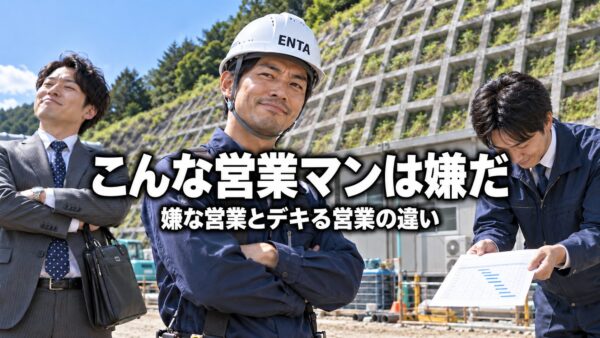
For this post, I’ve rewritten an article I wrote in 2020 titled “Salespeople I Can’t Stand” from my current perspective.
The original post was basically just a string of complaints, lol.
But that's beside the point.
In the construction business, I interact with salespeople from material suppliers, equipment suppliers, leasing companies, and trading companies on an almost daily basis.
For a small slope-construction company like ours, there are simply so many materials to source—cement, rebar, anchors, wire mesh, scaffolding materials, and so on.
That's why whether a salesperson is good or bad directly affects how things are organized on the ground, lol.
In this post, I’ll compare the story of a salesperson I actually stopped doing business with with that of a talented salesperson who makes me think, “I could listen to this person talk forever.”
Please go easy on me with the "Who does this guy think he is?!" comments, lol.
This is purely my personal opinion, so please bear with me lol
I Hate Salespeople Like This | The Salesperson from the Lumber Company We Stopped Doing Business With
A while back, I got into an argument with a sales rep from a materials supplier.
It wasn't so much a fight as me just saying, "I'm not doing business with you anymore," lol.
As for what that person was like, it went something like this.
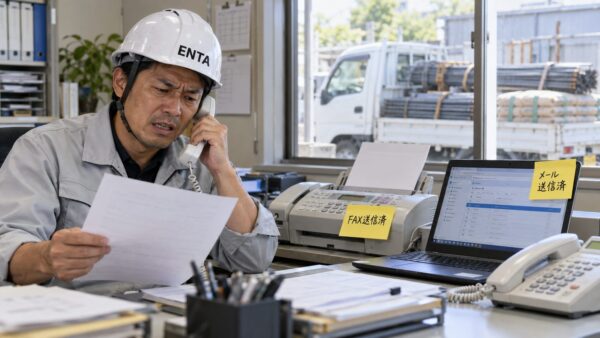
- Even if I send an email, they won't process it unless I follow up by phone.
- Even if I send a fax, I won't get any response unless I call.
- Even though I've been in touch, they immediately say, "I haven't heard anything."
- Even though there's a record of the messages here, they're playing dumb.
- Whenever something happens, he always starts by making excuses.
- It's so patronizing
- "I'm working hard for your company" is his catchphrase
- All he does is brag about his previous job and talk about how close he is with so-and-so.
- They have no qualms about badmouthing other companies or spreading rumors
As a result, I ended up using a three-pronged communication strategy with that company at the time: "email, fax, and then a phone call" lol.
Contacting a customer three times for a single order is, when you think about it, nothing but a waste of time.
Even so, I put up with a lot at first (since I didn't have many clients, cutting ties with them then would have caused all sorts of trouble).
I make mistakes myself and sometimes cause trouble for others, so I can usually let most things slide.
However, there were two instances where work on-site had to be halted because of that person's behavior.
If work on-site comes to a halt for even a single day, both the labor costs for the workers and the downtime costs for the machinery are simply lost.
What made me even angrier was that they charged me in full for the costs associated with that mistake.
I can understand paying for your own company's mistakes.
But you’d probably be like, “Wait, what do you mean we have to pay for the other person’s mistake?” lol
Finally, I told him, “You can charge me for everything you want, but please don’t ever call me again,” and had him removed from my account.
By the way, since he was the type to blab nonstop, I’m pretty sure he’s talking about me at another company right now lol.
Here's a recent update: I heard that person was fired from their previous company for drinking on the job (among other issues) and is now self-employed.
And apparently, they're still badmouthing me.
I've heard this from a few people, so I'm sure it's true lol
The Difference Between Annoying Salespeople and Effective Salespeople | Comparison Chart
So, what sets a top salesperson apart?
I’ve listed them item by item, drawing on my experiences with salespeople I’ve actually worked with.
| Item | An Annoying Salesman | A Top-Notch Salesperson |
|---|---|---|
| How to Receive Communications | Emails and faxes won't get processed unless you call. | When I check my email, they just reply with a single word: "Got it." |
| When I Make a Mistake | Start with an excuse, then shift the costs to us | State the facts and your response first; take responsibility for your company’s mistakes, or come to us for advice. |
| The Content of the Story | Mostly stories about myself and rumors about other companies | Keep the main point brief; the rest is small talk that contains useful information. |
| About Other Companies | Spreading gossip and rumors without a second thought | It keeps your name anonymous and tells you only your tendencies to fail |
| Catchphrase | "For Your Company" | "When does the on-site work start?"—they prioritize the on-site work |
| How to Use Your Network | Spreading the word that they're close friends with so-and-so | They introduce you to the right people when you need them. |
You can tell almost everything from the way someone contacts you
I think this is where the biggest difference lies.
A good salesperson will always reply to an email, even if it's just a short message.
A single line like, “I’ve received it. I’ll check the delivery date and get back to you this evening,” is all it takes.
Just having this means we won't have to make a phone call.
On the other hand, people who don’t reply to emails and only say, “Oh, I didn’t see that,” when you call them will, sooner or later, start saying, “I didn’t hear about that.”
When I'm busy, I tend to neglect things too, and I always feel bad about leaving them unattended... (I guess that's the difference between a construction worker and a salesperson!? lol)
How to React When You Make a Mistake
We're only human, so we make mistakes.
We mess up a lot too, lol.
The problem is what happens after a mistake.
Competent people say, “I’m sorry, this is the situation. Here’s what I’ll do,” stating the facts and their response before making excuses.
People you don't like always make excuses first.
After that, they'll say something like, "But we worked hard too," in a way that makes it sound like they're doing you a favor, and then the bill will show up lol.
Be Wary of the Phrase “For Your Company’s Sake”
In my experience, people who repeatedly say, “I’m working hard for your company,” are usually saying it for their own sake.
People who are truly acting in your best interest don't go out of their way to say so.
You're the type of person who puts self-preservation first, aren't you?
Bragging About Past Jobs and Connections
Annoying salespeople often brag about their previous company and talk about how "close" they are to "so-and-so" department head.
The person in the previous story was the same way.
But when I actually ask the person in question, they’ll reply, “We’re not really close,” lol.
What's more, I knew someone at that person's previous workplace, so I asked them about it, and it turns out they had a pretty bad reputation.
Top salespeople, on the other hand, don't brag about their network.
For example, when I ask, “Does anyone know much about anchor tension?” they’ll quietly introduce someone to me, saying, “That person would be a good choice.”
I think connections aren't something you brag about; they're something you use when the other person is in trouble.
Does bad news always come quickly?
There's one more thing I look for in salespeople.
It's a matter of whether to deliver the bad news sooner or later.
For example, let's say a delivery is likely to be delayed by three days due to a manufacturer's stock shortage.
Competent people will call you as soon as they find out and say, “It’s not confirmed yet, but there might be a delay.”
This way, we can rearrange the production schedule over those three days or prioritize preparations for another site.
People I don't like will tell me, "It didn't come in," either the day before or on the scheduled delivery date.
In that case, since both the workers and the machinery are already on site, there’s almost nothing we can do.
Whether we can reschedule the process depends on whether we receive the notification one day earlier or later.

A Top Salesperson's Small Talk Is Useful on the Job
When it comes to stories about top-notch salespeople, I could listen to them forever.
What these people have in common is that they take care of their work first and then spend a little time chatting.
And there are actually a lot of great stories and useful information in all this idle chatter.
For example, here's a story.
- Discussions about newly released materials and construction methods, along with feedback from companies that have actually used them
- Trends in problems that have occurred at other job sites, with names withheld
- Signs of rising material costs and supply shortages
- A story about a company facing a labor shortage and a company looking for employees
Just knowing a little earlier about potential price increases or shortages allows you to make arrangements sooner.
It's the same at any job site—if even one material is missing, the whole project could come to a halt, so this really helps.
On the other hand, when people who aren't very capable talk, their conversations consist mostly of badmouthing other companies, gossip, and stories about themselves.
Just a little bit about work lol
Because they jump into small talk without properly confirming the details, they end up overlooking things like part numbers, quantities, and delivery dates.
Also, you should be careful around people who badmouth other companies.
That person is saying the same things about our company to other companies as well.
People who provide information and people who spread rumors may seem similar, but they are completely different.
That said, if you’ve built a solid personal relationship and a strong bond of trust with that salesperson, then “just between us” kind of talk is totally fine.
High-achievers don't say, "At which company?"
"It seems there have been a lot of mistakes like this lately," they say, simply pointing out the trend.
This way, no one gets hurt, and the listener can avoid making the same mistake.
Also, I think we should share information with top-performing salespeople as well.
Let them know as soon as you have an idea of when construction will begin on the next site and the approximate quantities involved.
That way, they’ll be able to make arrangements for inventory and shipping, which will ultimately help prevent our operations from coming to a standstill.
After all, a relationship based solely on getting information from each other won't last.
People who are always asking for things are disliked everywhere.
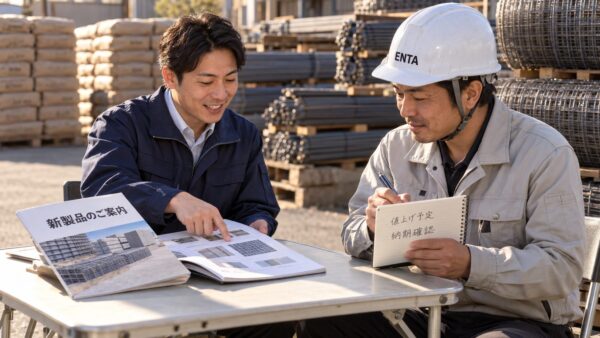
Criteria for Reevaluating Sales Representatives at Business Partners
So, where do we draw the line?
I think this varies by company, but I'll describe my own experience here.
I won't cut it if it's a mistake.
Since I’m also someone who causes trouble for others, it’s a case of give and take.
Here are some situations when you should review your trades:
- They keep making the same kind of mistakes, and there's no sign that they're reflecting on them or trying to learn from them for the future.
- He has no qualms about passing on the financial burden of his own mistakes to us.
- Because of that person's actions, operations on-site actually came to a halt.
- I just don't like it (Oh well, there's nothing I can do about it—compatibility is key).
The salesman from the previous story fit all three of these criteria.
It's not that I can't tolerate failure.
They make excuses to cover it up, keep doing the same thing over and over, and then bill us for that money.
Even if you hang out with people like that, nothing will come of it, and you won't learn anything.
It just wears me out.
By the way, in many cases, it’s enough to just contact the “person in charge” rather than the “company.”
In the previous matter as well, what I asked was for you to be removed from the case.
It's not necessarily the case that the materials supplier itself is at fault, so I think the best approach is to start by asking them to assign a different representative.
If you want to be assigned a different representative, explain the situation to that sales representative’s supervisor, focusing on the facts of the matter rather than your emotions.
For example, something like, “I didn’t get a reply to the email I sent on [date], so operations on-site came to a standstill for a day”—pairing the date with the result, lol.
It’s a good idea to keep a record of your email and fax correspondence, but there’s no need to go that far—just calmly state the facts you want changed.
After all, it’s not just a matter of one or two mistakes—it’s the accumulation of everything that’s happened so far.
We're both on the receiving end of sales and the ones doing the selling.
That said, from the general contractor’s perspective, our company is also in the sales role—submitting quotes to win contracts.
If you fail to reply to emails from the general contractor or try to cover up your own planning mistakes with excuses, you’ll be viewed in the same light.
When you receive an email, reply with a quick message.
If you make a mistake, state the facts first.
I don't badmouth other companies.
Just this alone can make a big difference in how others perceive you.
It means treating each other with respect as human beings.
To be honest, work doesn't really matter to me—we're just dating because we happened to meet through work—but I think if we got to know each other as people, we could have a long-lasting relationship.
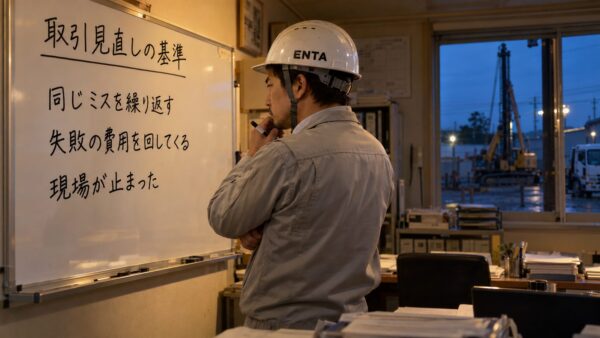
A salesperson's performance can have a greater impact on the job site than the quality of the materials they handle.
Even if the materials are the same, if we buy from the supplier who notifies us of the delivery date first, work on the job site won’t come to a halt.
On the other hand, no matter how cheap it may be, if you buy from someone who won’t take action unless you call them repeatedly, it will end up costing you more due to the administrative hassle and on-site risks.
You can compare the unit prices of materials in quotes, but the quality of the salespeople isn’t mentioned anywhere in the quotes lol (It’s a shame, but that’s the way it is.)
That's exactly why we need to keep an eye on our daily interactions.
Don't you know anyone like that?
I'm the type who keeps a safe distance from people like that lol (I don't hang out with them in the first place).
That’s why I want to build long-term relationships with talented salespeople, and I want our company to be one that can give something back when they’re in a bind.
It's a two-way street, after all.
See you later.
Results of My First Sales Experience (2019 Edition) | Sales Activities