Hello, everyone.
This is Enta.
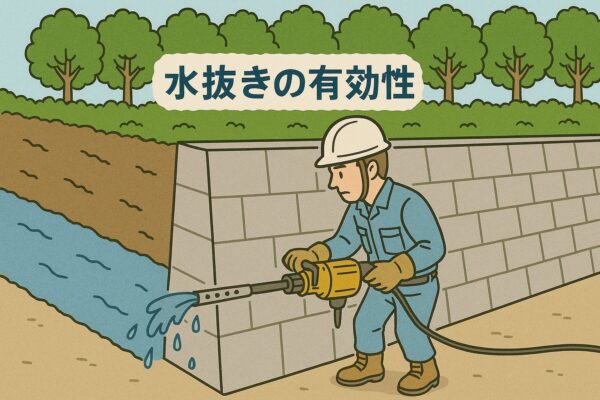
It's only been about two weeks, but I've been digging holes on site lol
If you tell the average person you're digging a hole, they'll think, "With a shovel?!"
That's what people say.
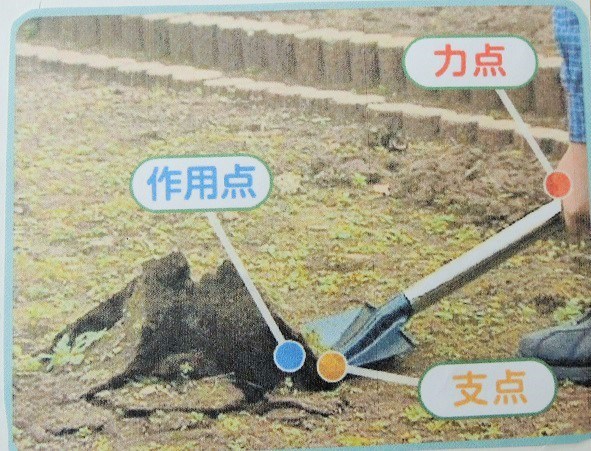
However, if you mention this to people in the construction industry, most of them will ask, “With an excavator?”
That's how it goes.
If I ask a slope specialist, are they a hammer drill specialist?
People ask me, "Is that a root hammer (air)?"
The image of digging a hole varies depending on the industry, doesn't it?
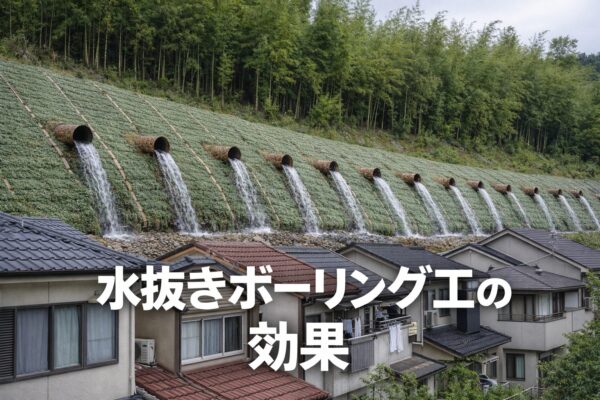
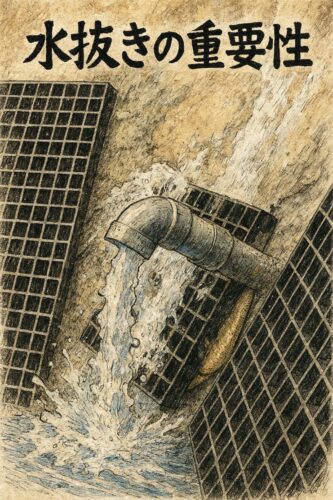
From an anchor installer’s perspective, digging a hole is either for an anchor or for draining water! (Not that I know, though.)
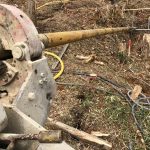
And for this excavation project, we’re using a horizontal directional drilling method.
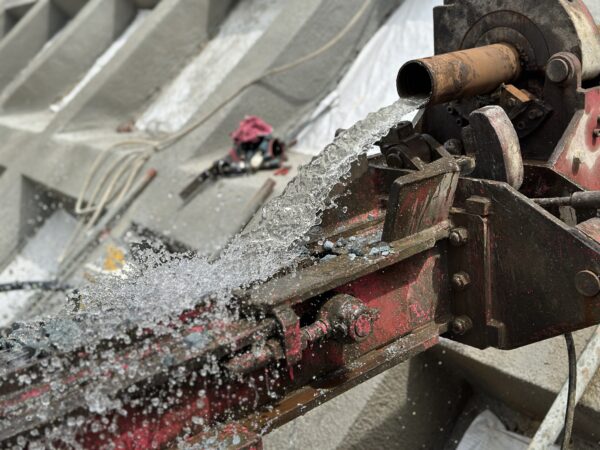
This time is a bit unusual—they’re telling us to take core samples while we’re doing the dewatering drilling work!
It's what's commonly known as core drilling.
Normally, a rotary drilling rig is used to perform core drilling. ↓
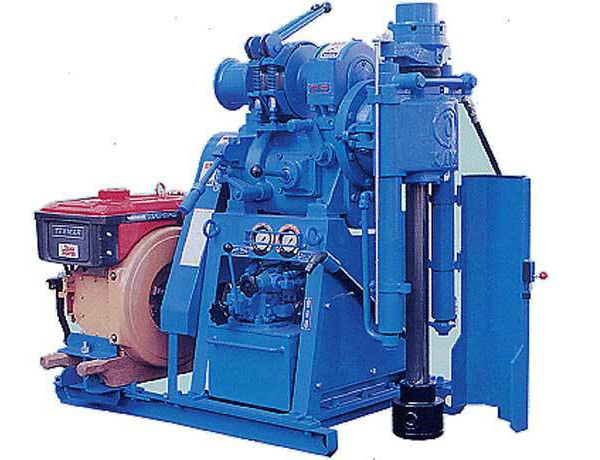
Although this machine doesn't come with a hammer, it drives the core in at high speed, allowing for the extraction of a clean core.
However, this time we tried using rotary percussion for the core drilling.
It's a construction method called "wireline" that's been around for a long time. (I didn't know that, lol.)
Since the center is left open while drilling with a rotary percussion drill,
It’s like filling it up with soil and rocks.
Since it was my first time doing this, it took me about three days to complete the 47 meters.
I've dealt with all sorts of issues—like water pressure and flow problems—due to tough installation conditions, and I've picked up some know-how along the way lol
Starting at the end of this week, we'll begin construction at a second location.
The great thing about this is that you can extract soil cores using rotary percussion.
However, it's difficult to get a perfect core, and sandy soil poses a challenge.
It is also highly likely that the viscosity will disappear.
There are places where it comes out well and others where it doesn't, so you'll have to decide based on the soil type.
But this has given me yet another new construction technique, lol.
If our general contractor would just include in their technical proposal that they’ll verify the soil conditions at the anchor installation site!
Here I am, lol
You can install anchors and conduct soil testing at the same time!
To all general contractors! Please be sure to include soil investigations for ground anchor work in your technical proposals!
Please email me for more details!
Since you rarely get taught how to do this kind of work, experience is what really counts in this field.
It really is difficult, isn't it?
But it's fun!
Trying new things is fun!
I can't keep this up unless I think that way lol
I'll be digging some holes again tomorrow, too ^^
See you later.