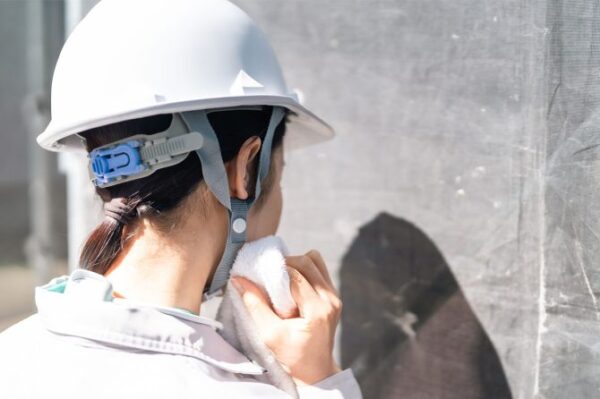
Summer heat waves are becoming more severe with each passing year. While heatstroke prevention is an urgent issue in the construction industry, major general contractors have taken the bold step of “rethinking work hours themselves.”
On May 21, Obayashi Corporation announced that, with the aim of further reducing the risk of heatstroke, it will begin an initiative to adjust work schedules during the intense heat period from July to August at construction sites nationwide, starting with those that meet the necessary conditions.
The Alarming Statistics Behind the Scenes
The background to these efforts lies in the harsh realities facing the industry. According to a survey by the Ministry of Health, Labor and Welfare, over the past five years (2021–2025), the construction industry had the second-highest number of heatstroke-related casualties by industry, trailing only the manufacturing sector; therefore, heatstroke prevention measures are directly linked to protecting the lives and health of construction workers.
Obayashi Corporation has long been committed to managing work based on WBGT (heat index) values, ensuring adequate rest periods, and installing temporary air-conditioning systems. Furthermore, starting last fiscal year, the company has made it mandatory for all personnel engaged in on-site work to wear air-conditioned workwear and wearable devices that detect heat-related risks.
This time, while continuing these measures, we will introduce new measures that directly address the work hours themselves.
Shifting Work Hours to "7:00 a.m. to 1:00 p.m." to Avoid the Extreme Heat
Standard working hours at construction sites are from 8:00 a.m. to 5:00 p.m. However, as part of this initiative, taking into account the working environment and nature of work at each site, we will significantly move up and shorten these hours to “7:00 a.m. to 1:00 p.m.” at sites where conditions permit.
This system is designed to concentrate work during the hours before temperatures and WBGT values rise, thereby avoiding the afternoon hours when temperatures peak. By concentrating work during the relatively cooler morning hours, the aim is to physically reduce the physical strain on construction workers.
The impact on the construction schedule will be offset by “adjustments to the schedule throughout the year.”
One concern regarding the reduction in on-site working hours is the potential impact on construction schedules and productivity. In response, Obayashi Corporation plans to adjust its construction schedule throughout the year, such as by extending working hours during periods when temperatures are relatively low.
This shift toward a more sensible scheduling approach involves focusing the bulk of the work on seasons with more favorable weather conditions, rather than pushing workers too hard during harsh weather and compromising work efficiency or quality. Through this approach, we aim to ensure the safety of construction workers while maintaining both construction quality and productivity.
Will the industry's "norms" change?
This reform of operational rules—specifically the “significant change in working hours”—is set to shake up long-standing industry practices. With the workforce aging and labor shortages becoming increasingly severe, creating a safer and more comfortable working environment is a matter of urgent priority.
All eyes are on whether this initiative—which takes a bold step toward fundamentally addressing the risk of heatstroke on construction sites—will spread as a “new standard” throughout the construction industry.