Hello, everyone.
This is Enta.
A new initiative launched by the Ministry of Land, Infrastructure, Transport and Tourism at the end of last year.
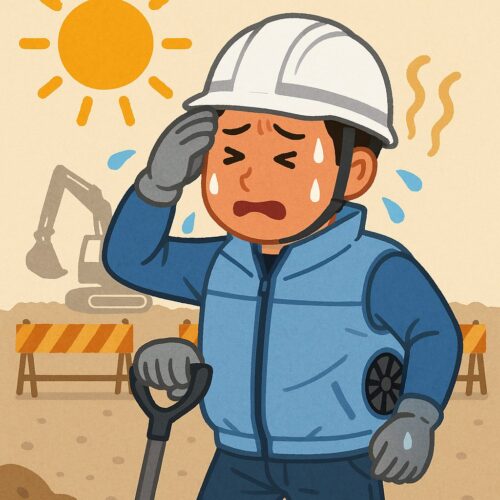
"Support Package for Coping with Extreme Heat During Construction Projects"
~Supporting Diverse Work Styles During Extreme Heat~
Since an overview of this has been released, I'd like to take a quick look at it.
I've summarized the above briefly.
Improvements to Working Conditions and the Work Environment in the Construction Industry Are Needed
Support for flexible construction schedules and the adoption of new technologies in response to extreme heat
Promoting the Avoidance of Work During Periods and Times of Extreme Heat
Placing Construction Orders to Avoid the Period of Extreme Heat
Pilot Program for Construction Contracts Allowing Work Suspensions During Periods of Extreme Heat
Flexibly Set Rules for Avoiding Construction During Periods of Extreme Heat
Promoting improvements to the work environment and efficient construction
Promoting i-Construction 2.0
Supporting technological development and innovations in construction methods
Securing Funding for Heatstroke Prevention Measures
Recorded as site management expenses and environmental improvement expenses
Securing Funding Based on Actual Conditions
Awareness-Raising and Requests to Local Governments and Private-Sector Clients
Thoroughly factoring in days of extreme heat when planning the construction schedule
Sharing Best Practices
Addressing Medium- to Long-Term Challenges
Ensuring Working Hours and Wages for Skilled Workers
Improving the Implementation of Flexible Work Hours
Here's a rough summary of what I've extracted.
It would be great if funding were allocated to the areas that have been handled creatively up until now!
This is definitely going to give manufacturers working on countermeasures a huge boost, lol.
I have a feeling there will be an increase in NETIS registrations this year as a measure against heatstroke...
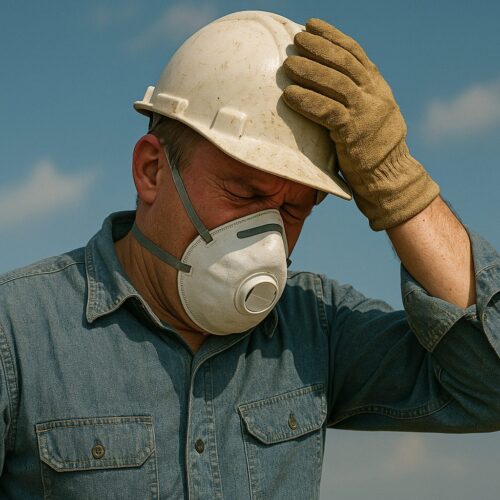
The Need for Measures to Combat Extreme Heat
The construction industry plays a vital role in infrastructure development and disaster recovery, and improvements to working conditions and the work environment are necessary.
The Ministry of Land, Infrastructure, Transport and Tourism is implementing measures such as setting construction schedules that take extreme heat days into account, increasing funding for heatstroke prevention measures, and promoting remote construction.
Specific Measures and Initiatives
Avoiding Work During Periods of Extreme Heat: Setting construction schedules and trialing work suspensions to avoid work during periods of extreme heat (Really??)
Improving construction efficiency and the work environment: Promoting i-Construction 2.0, ICT-based construction, and the introduction of heatstroke prevention technologies (This one has me scratching my head, lol)
Securing Funding for Necessary Expenses: Revision of the cost estimation standards to secure funding for equipment and facility improvements needed to prevent heatstroke (This is great! As long as we can actually use it.)
Awareness-Raising and Requests to Local Governments and Private-Sector Clients
Ensuring that construction schedules are set appropriately in accordance with the “Standards for Construction Schedules” (though this generally doesn’t apply to municipalities)
Horizontal Rollout of Measures to Combat Extreme Heat Through the Collection and Sharing of Best Practices
Addressing Medium- to Long-Term Challenges
Ensuring the total annual working hours and annual income for workers paid by the day (This is what needs to be addressed urgently, right!?)
Promoting the Use of Flexible Work Hours (In the case of technical interns, does this involve the relationship between the Labor Standards Office and the Immigration Bureau??)
Continuing the discussion on protecting the lives and health of skilled workers (though this is just an academic exercise...)
It is reported that these measures are intended to promote heatwave countermeasures across the entire construction industry and improve working conditions.
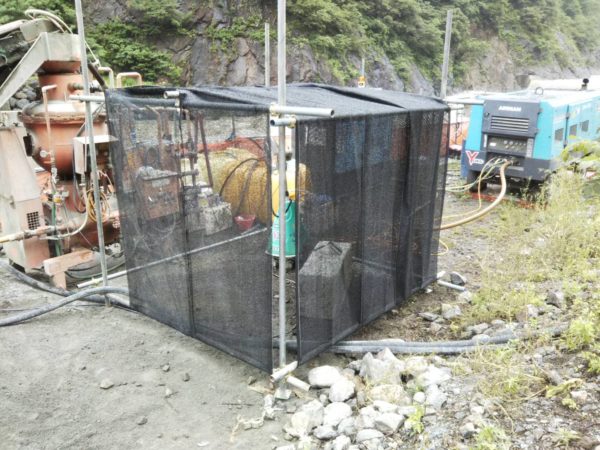
The following are examples of measures to combat the extreme heat.
1. Improvements to Construction Schedule Planning
Implementation of a construction schedule that takes extreme heat days into account
The construction schedule was set by factoring in days with WBGT values of 31 or higher—classified as extreme heat days—into the rain-related downtime rate.
If the number of days with extreme heat exceeds expectations, it may be possible to extend the construction schedule or seek reimbursement for additional costs.
2. Improving the Work Environment
Adjusting Work Hours: Starting work earlier to avoid the hottest part of the day and extending break times
Site-Specific Considerations: Conducting Summer Construction in Mountainous Areas with Low Temperatures
Summer Time/Cool Work Time: Shift work hours to the early morning to avoid the hottest part of the day
Improvements to the Work Environment: Installation of air-conditioned restrooms, mist showers, shade nets, mist fans, and other amenities
Technology Adoption: Introduction of remote construction, labor-saving construction machinery, and safety monitoring systems for skilled workers, among other technologies.
3. Adjustment of Expenses
On-site Management Expenses: Includes costs for individual heatstroke prevention measures such as salt candy, oral rehydration solutions, and air-conditioned workwear
Workplace Environment Improvement Expenses: Accumulated expenses for facility improvements such as shade nets, mist fans, and rest vehicles
4. Other Initiatives
Hydration Support: Encouraging regular water intake to thoroughly prevent heatstroke
Shaved Ice Food Truck: Helps Keep Workers Warm, Encourages Breaks, and Improves the On-Site Atmosphere
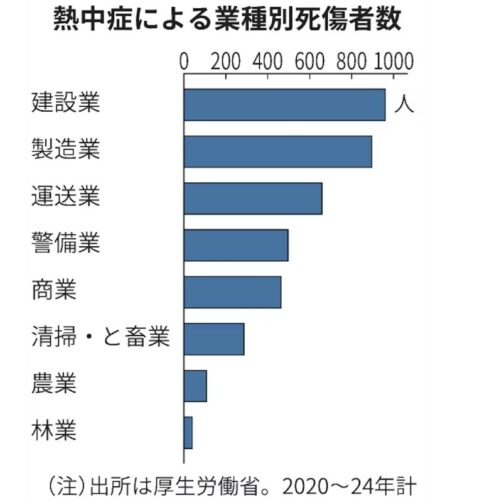
It might be a little hard to read since it's mostly text, but I've excerpted only the parts I think are important.
Starting this summer, the policy states that “the Regional Development Bureau and contractors will consult to set a break period lasting from a few weeks to about two months.” I wonder how this will play out?
That's the general idea, I guess.
So, where will our work go now that we’re on vacation? Will the costs be passed on to prices?
Even if they pass on the price increase, it’s a given that I’ll end up working at another site even after getting paid for those two months, lol.
So, does that even make sense??
Unless we do that at all sites nationwide at the same time...
What will happen to the order leveling measures we implemented in the past?
If we suspend work in July and August and take the entire time off, then,
How are you going to pass on the cost for those two months, and what are you going to do during those two months? lol
I have a few thoughts on the matter, but I do hope things will get better, even if only little by little.
Just for your information, that's how things stand at the moment.
See you later.
We have developed the “Support Package for Heat Wave Countermeasures in Construction Projects”