

Hello, everyone.
This is Enta.
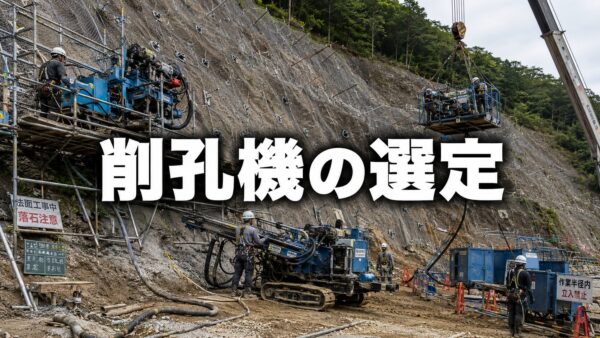
I've been in Ina City, Nagano Prefecture, for the past few days working on a rebar installation project.
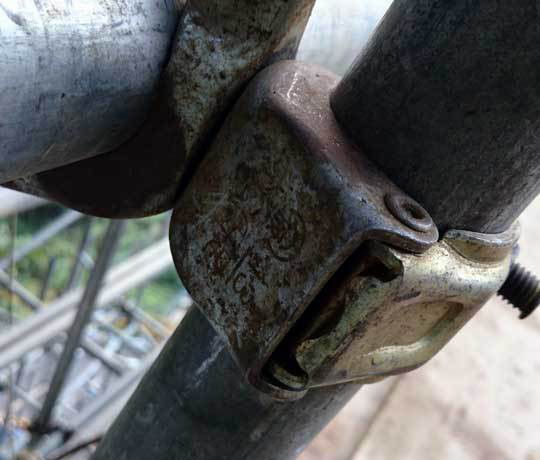
All the scaffolding clamps are adjustable, so the scaffolding is wobbly lol
Plus, the slope is almost vertical, so it looks like it might tip backward lol
I'll use Frame Catcher to fix it lol
But that's beside the point.
The other day, I saw a very clear illustration and explanation of slope failure on Twitter.
This is so easy to understand that I wanted to turn it into data, so I asked for permission and turned it into data lol
The Motto for Landslide Mitigation Projects
Cutting, Trimming, and Stitching
I, too, heard that phrase when I was young.
I don't remember who said that, lol
Cutting ➡ Earthwork (Cut)
Filling ➡ Earthwork
Drilling ➡ Groundwater Drainage Works (Containment Works)
Drilling ➡ Ground Anchor Work, Pile Work (Retaining Structures)
This is the fundamental premise.
This time, I tried drawing a soil removal machine.
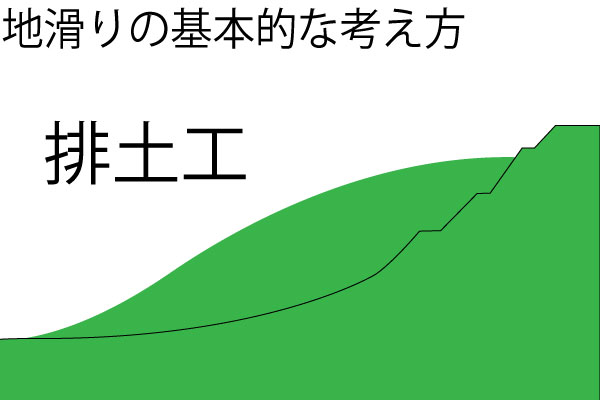
If the part above the line tries to slide, remove the part that is trying to slide to make the entire mountain lighter.
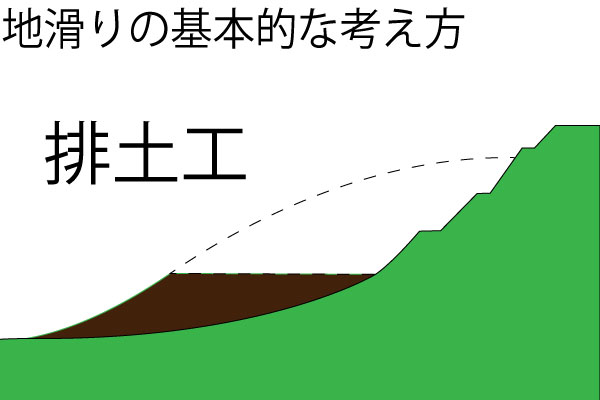
I cut out the section marked with the dotted line.
The idea is that removing the soil makes the mountain lighter and prevents it from sliding.
We were able to prevent major landslides by removing excess soil, but,
Since the slopes formed after excavation are also prone to slippage, countermeasures such as slope reinforcement frames and rebar insertion are implemented.
Next time, I'll write Part 2.
See you later
Drainage Boring Is the Primary Method for Addressing Existing Embankments | Countermeasures