Hello, everyone.
This is Enta.
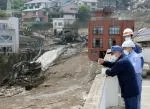
It appears that a nationwide investigation is underway regarding the recent incident in Atami where an embankment turned into a debris flow.
I suspect there will be an absolutely staggering number of hazardous areas.
I think the question is how to handle it when that happens.
What do you all think?
"Legal framework" on the surface?
Support with anchors? Reinforcement bar insertion work??
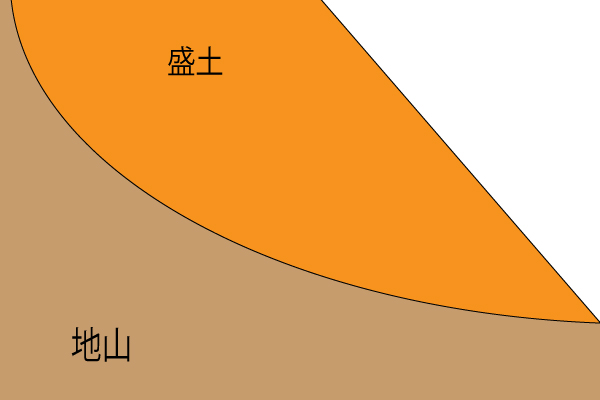
I think it looks something like this, roughly speaking.
How on earth do we stop this!?
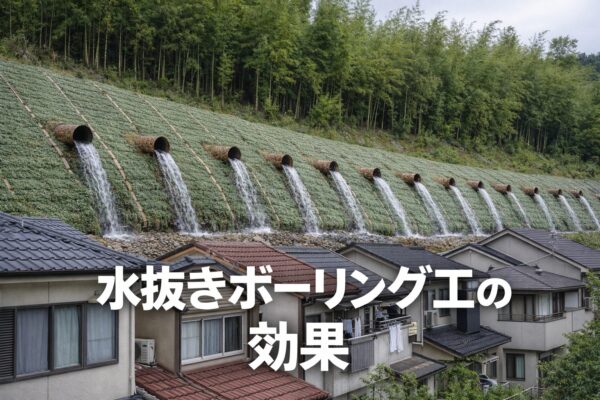
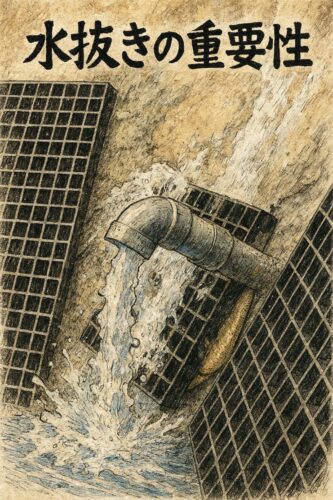
Well, actually, it’s really simple—you just have to drain the water, right?
The key is to make sure the fill doesn't become saturated.
So that means I just need to drain the water.
That means it’s highly likely that addressing this existing embankment will fall to us—the slope engineers and anchor specialists.
We’d like to carefully assess where and how to drain the water most effectively and carry out the work accordingly.
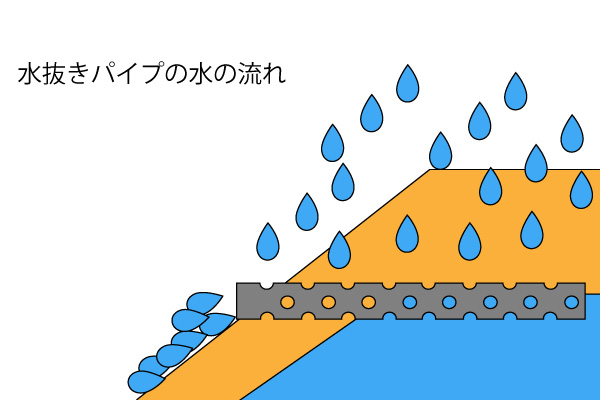
Lately, I’ve been receiving requests to drain water from residential areas, so it seems the importance of drainage is becoming more widely recognized among the general public.
Even though residential properties have undergone questionable improvements and backfilling, there are still many areas that appear to lack proper drainage.
I’d like to make it common knowledge that if you drain the water from the soil, it becomes lighter, so it’s less likely to get slippery (though I can’t say it won’t get slippery at all, lol).
See you later.