Hello, everyone.
This is Enta.
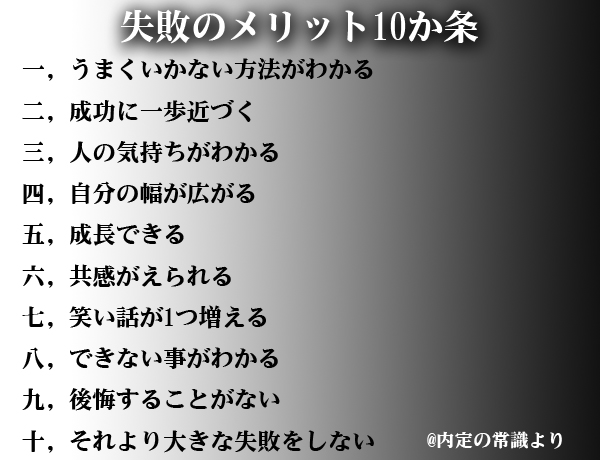
Have you ever made a mistake (or done something wrong) on the job?
I think most people would say, “Yes, I do!” if asked that question.
Have you ever found a mistake?
When you ask that, you'd say "yes," right? lol
Have you ever missed something?
If you asked me that, I think I'd say "it's there, but it's not" lol
But actually, I think there is.
I went through that when I was younger, too. (I’d definitely do it differently now, lol.)
An Incident on Site (Construction Error)How would you respond the moment you realize this?
I'm going to try to write about how to handle this.
1. First, stay calm, assess the situation, and accept it!
Even if there are facts you don't want to admit, please admit them!
Let's start there.
If you try to hide it at this stage, it won't end well.
You should definitely open up about it. (For your peace of mind.)
It takes a tremendous amount of courage, but let's muster it and say it!
And let’s make sure to take full responsibility for what comes next. (That means completing the project, not quitting the company!)
2. Stop work on the site immediately!
This is an absolute must.
I understand the concern that halting work on-site would cause trouble for subcontractors, and,
I know you probably don't want to stop, even when you consider the entire process, but this is the most important thing!
Even if you're in the middle of checking a part that concerns you, it's wiser to stop.
So, for now, just calm down and take a deep breath!
3. Review the design documents, including design drawings, design calculations, and bill of quantities
For now, please try to stay calm here as well.
Take a deep breath.
Then, I carefully review the design and scrutinize exactly what has changed and how.
If you don't do this, you won't be able to confirm whether it's really a good fit.
We will then bring in a third party from within the company to verify this.
If everything checks out, we'll proceed with the installation, but,
If there is a significant discrepancy from the planned completion, we will consider whether to address it through design changes or to redo the work.
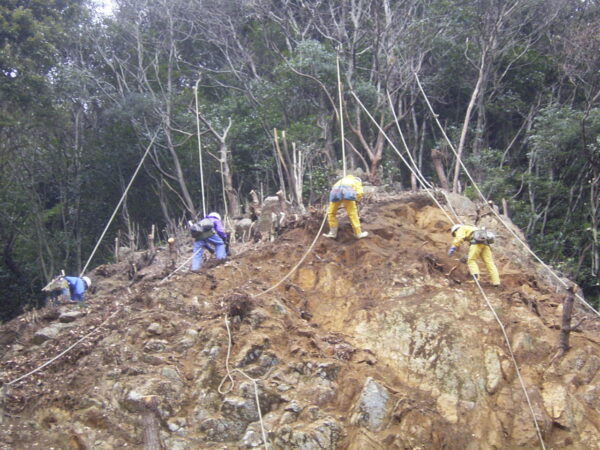
4. If you are a subcontractor, consult with the general contractor! (If you are the general contractor, contact your company or supervisor.)
Before contacting the government office, decide what to do here first! (As a company)
Can we make it work with some tweaks?
Why did that happen?
How many?
Are the coordinates correct?
Is the height correct?
Are we encroaching on the property line? (Property Boundary)
Is it possible to negotiate changes?
Are the materials okay?
Are the interfaces with other work zones okay?
What are the specifications?
How strong is it?
Please discuss these and other matters with your supervisor to determine the direction to take.
5. Contact the relevant official at the government office
We will report the policy we decided on as a company in Step 3 to the local government office.
Work on-site will come to a halt during that time, but this is better than suffering even greater losses or damaging our reputation!
We'll present our internal policy to the government agency and ask them to review it.
We will proceed based on those results.
6. Begin construction using the established method
We will begin construction using the method specified in Section 4, but we will instruct the contractor on procedures to prevent recurrence.
Let's make sure everyone fully understands this and work to prevent it from happening again!
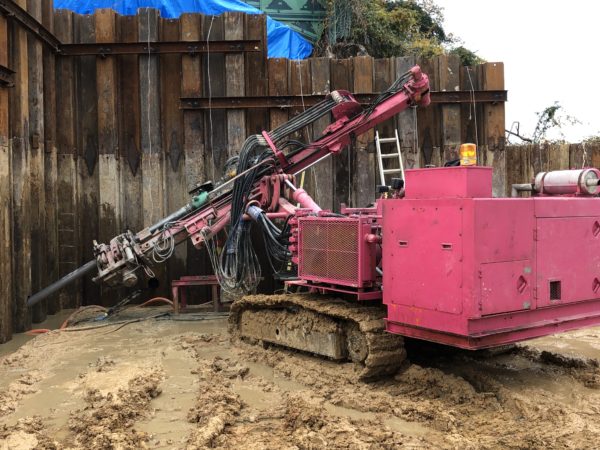
7. Reliability, Not Speed
The sooner a construction company starts a project, the more money it makes!
As a result, they tend to prioritize workability over construction quality. (There are few construction companies that truly prioritize quality.)
We need to discuss with the contractors and carry out the work in a way that increases speed while ensuring quality and maintaining the desired finish.
This is also to help you understand that this is a rework.
We will proceed as described above.
Things like this happen quite often on a small scale on the job, don't they? (Minor incidents)
To prevent this, it is necessary to always keep track of the drawings and identify and verify any discrepancies with the actual site conditions.
Always compare the actual site with the drawings as you go.
People used to say, “Check the drawings until there are holes in them,” lol.
These days it's all about tablets and smartphones, lol
See you later.