

Hello, everyone
This is Enta.
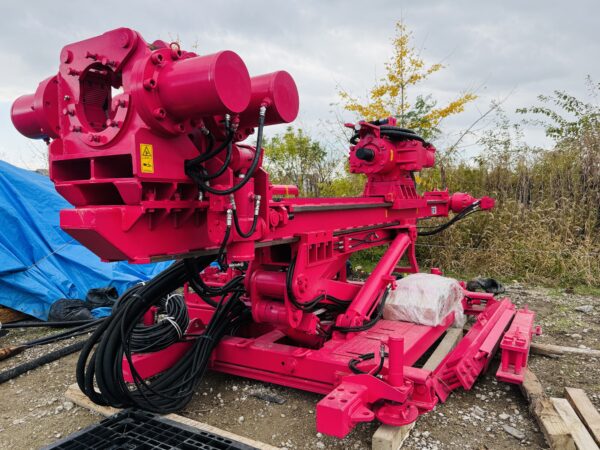
Lately, I've been drilling holes for rebar insertion on site.
Unusually for this site, the materials are being supplied by the general contractor.
The total drilling length is 3.5 meters, but we connect a 2.0-meter section and a 1.5-meter section using a coupler.
That's just how it's designed, so that's fine as it is, but,I've got something to say to the designer! lol
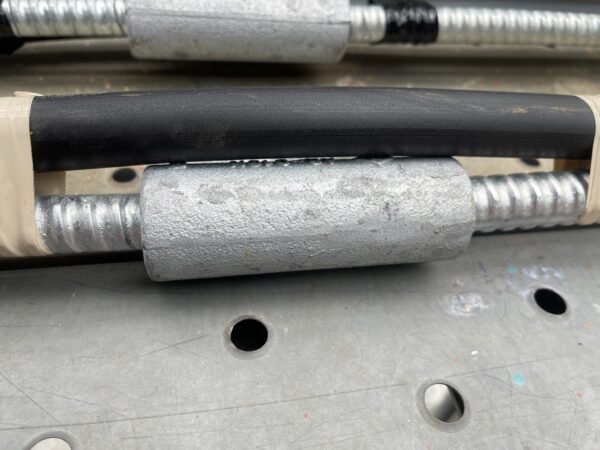
When inserting rebar, it's best to use a single piece whenever possible!
Whether it's 5.0m or 6.0m, you can fit it all in one go!
I believe the standard length for rebar is 6.0 meters, but it is possible to join them together to make longer lengths.
There are many downsides to connecting with others.
Even if you connect it first and tighten it securely with a cable tie, it comes loose with even the slightest impact.
There’s a reason for this: the threads on twisted rebar (twisted-section steel bars) are coarse.
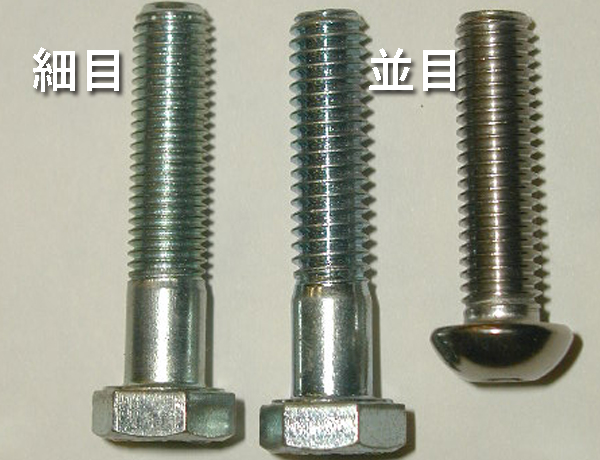
Even standard bolts come in fine-threaded and standard-threaded varieties.
Even among those, the rebar used by rebar installers is on the coarser side, lol.
So it comes off easily and tends to come loose.
If it comes loose, it means the intended effect won't be achieved.
Next, it takes time to manufacture (tightening and assembly on-site).
I guess that's just part of the job, but I want to keep unnecessary costs to a minimum.
Just think how much easier it would be to use just one.
What's more, without a connecting coupler, that alone...Cost ReductionWhat?!
Just by not using a coupler, it’s entirely possible to easily install one or two additional reinforcing bars.
On the other hand, while improved workability is certainly an important benefit, there is something even more important.
This means that non-destructive testing using ultrasound can be performed after the concrete has been poured.
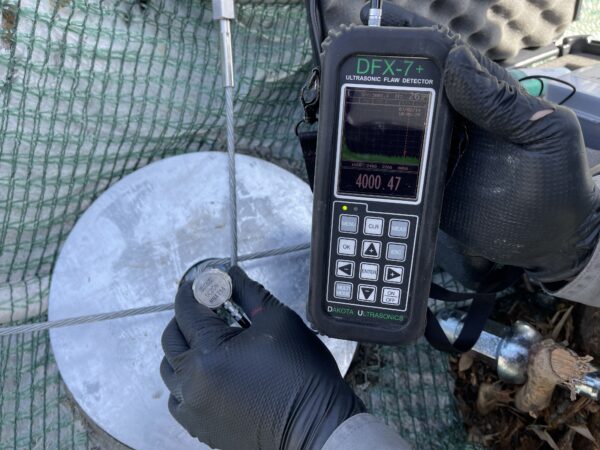
This is extremely important, and if, for any reason, a contractor were to cut the rebar (poor workmanship), it can be easily verified.
Because of the coupler, I can't measure the total length!
These days, there are almost no contractors who would cut corners like that, but occasionally it happens as a form of retaliation.
(I used to hear about it every now and then.)
To prevent such issues—or, conversely, to allow contractors to use their ingenuity to verify the finished form after pouring—
This is what’s preventing us from performing this type of non-destructive testing.
Reinforcing bars should be designed as single-piece sections whenever possible; however, for sections where construction is not possible without using couplers,
The contractors just need to discuss it and make the necessary changes.
Even from a physical standpoint, you could say the strength of the coupler's connection point has decreased, lol.
Well, I guess no one’s really thinking that far ahead, though lol (Are we supposed to switch the coupler positions back and forth at each point?? lol)
Like the aluminum oil cap, this is a component that is no longer necessary for rebar installation workers.
When you think about it like that, there’s a lot of waste in the materials used by rebar installers, isn’t there??
I hope design consultants will also take a step back and think things through carefully, rather than just taking what manufacturers say at face value.
Well, I'm sure there's all kinds of design collaboration and whatnot, but it's all paid for by taxpayers' money, lol (Suddenly acting like a politician!?)
If you're a design consultant, please ask me directly!!
I'll give you a clear answer on what's necessary and what isn't!
I'm already getting inquiries from all over the country lol (If I'm just answering based on my experience, it's all free.)
See you later
P.S. The article where I wrote that aluminum caps aren't necessary is the one that got me a complaint from a certain manufacturer lol
Aluminum caps and rust-preventive oil are not necessary for rebar insertion work!
Innovative Approaches to Improving the Accuracy of Quality Control in Reinforcement Installation