Hello, everyone.
This is Enta.
Is everyone okay after the earthquake in the Tohoku region the other day? lol
People are saying this earthquake is an aftershock of the previous one, but it's still terrifying.
But the worst is yet to come.
Today's article is aimed more at the general public.
From a professional standpoint, this is common knowledge, but when the ground shakes, gaps can form.
The dirt that was stuck to it will come off.
With stone masonry, the surface can easily shift. Cracks
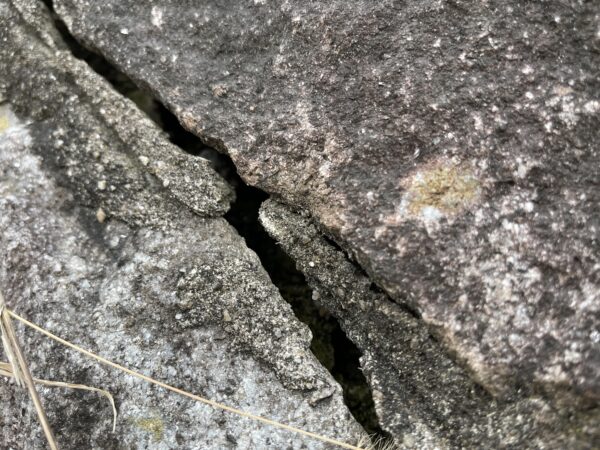
Even if there are no visible signs of disturbance on the surface of a slope, internal disturbances often occur.
If it really looks like it's about to collapse, cracks may appear on the flat area of the cliff face.
What do you think would happen if it rained there?
Under normal circumstances, soil particles stick together, preventing water from penetrating too deeply or allowing it to drain away.
Even if water gets in, it's not a problem as long as it drains out right away, but if there are cracks, more water than usual will seep in through them.
If it gets too wet, it becomes heavy.
When it gets heavy, it collapses as if it were exploding.
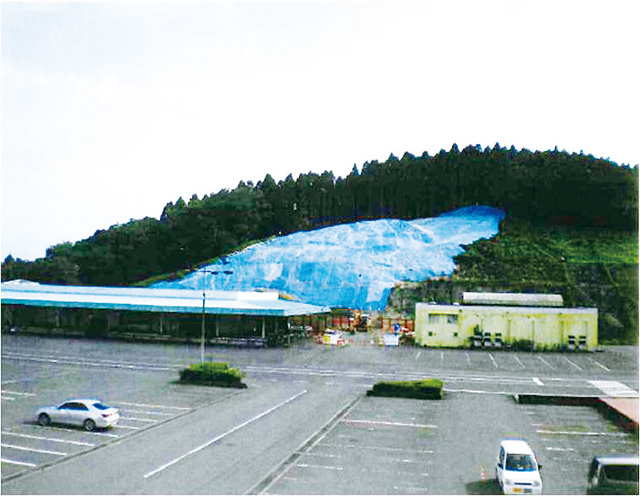
If there are any irregularities in the eaves or flat roof surfaces, please cover them with a blue tarp or similar material to prevent rain from getting in as much as possible.
In public works projects, covering surfaces with blue tarps is standard practice.
Please use #3000 blue tarps for protection as much as possible to keep the rain out.
Just doing that makes it much less likely to smudge, so I highly recommend it.
And I’d like you to take some kind of action before the rainy season begins.
See you later.