Hello, everyone.
This is Enta.
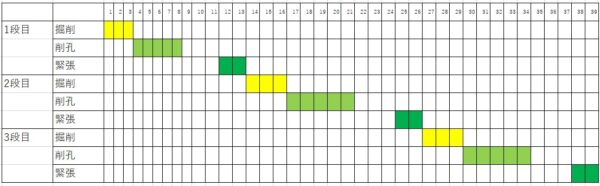
What can we do to meet the deadline?
It depends on the situation on site, but what are some basic things we can do?
I’d like to think about that.
First of all, in the initial construction plan, you’d draw up a rough schedule indicating how many days it will take to finish, right?
This is just a rough estimate of the construction period from start to finish. (I do have a general idea, though.)
The actual work will be done thoroughly once we get started, but what about during the construction process??
We end up saying, "Man, the schedule's looking pretty bad, huh? lol."
In that case, the first thing to do is...
1. Confirm the number of days it is likely to take going forward
2. Identifying Key Points for Each Trade
3. Is it possible to overlap the work of different trades during construction?
4. Can we add more machines?
5. Can we increase our staff?
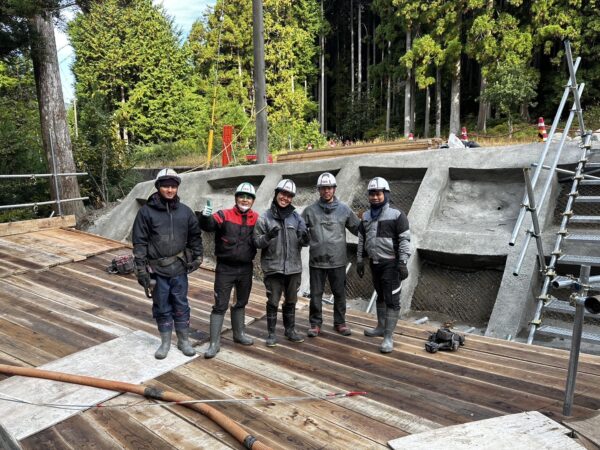
If the slope has a certain amount of lateral length, it would be possible to assign two crews to it, right?
Since it's tall and narrow, we have to work from the top down, so having two teams is out of the question.
On the other hand, could a crane fit in there?
and so on.
The same applies to drilling for rebar insertion and similar tasks.
If the scaffolding extends a long way horizontally, you might use two units for the job.
If the space is vertical, bringing in a crane will make moving and transporting machinery and equipment much easier and faster.
And then...
6. Overtime
This is it.
As I've mentioned here as well, working overtime is the most effective!
Even with a two-day weekend, if you work about one to two hours of overtime every day, you can earn a full day’s pay.
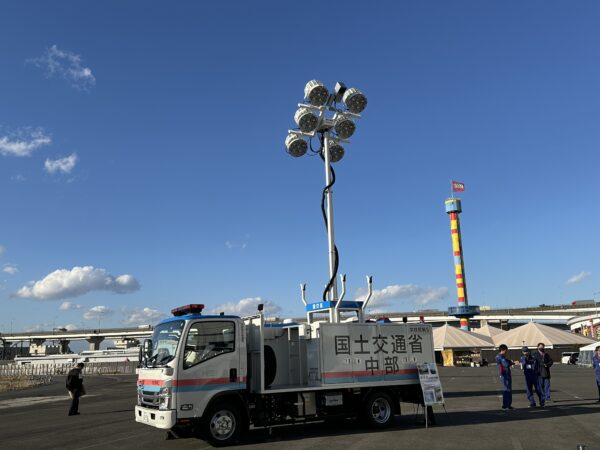
A floodlight is a must when heading home, isn't it?
However, this means it’s limited to construction methods that allow for overtime work!
Nighttime construction is not permitted if there are legal restrictions in place.
I can't apply the iron. (I can't see anything, even with the floodlight on.)
You can drill holes, right?
However, I think it will be necessary to take measures such as noise control.
With that in mindWork backward from the end to the beginningYou'll start to see how to proceed.
As the general contractor, we submit progress reports, so we have a general idea of the situation, but as a subcontractor, it’s harder to see the big picture, which makes the process more difficult, but,
If we just keep track of our own processes, it’ll be easier to handle any situation that comes up.
Since the production process directly impacts profits, the shorter it is, the better.
Let's aim to work as quickly and carefully as possible—all while ensuring we avoid accidents!
See you later.