

Hello, everyone
This is Enta.
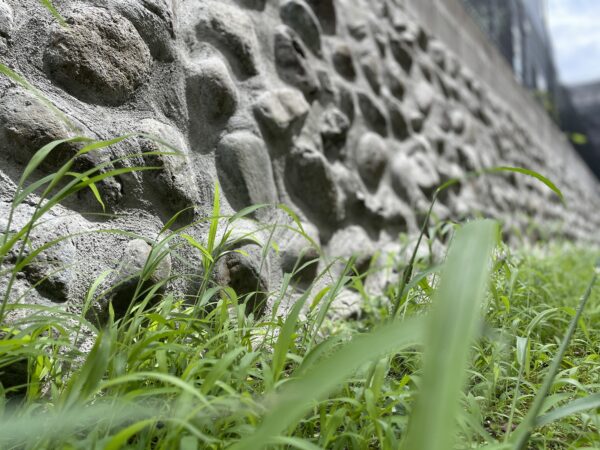
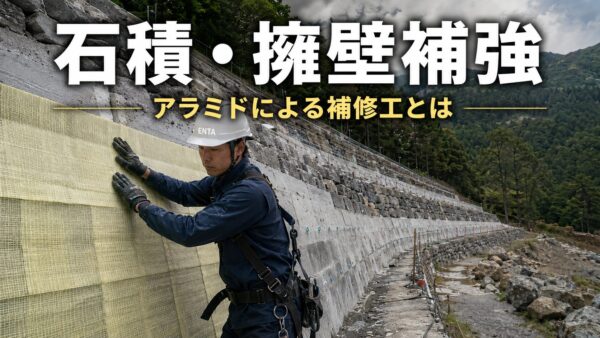
I visited the site where stone wall repair work was completed last month.
Before the work began, weeds and shrubs were growing wildly through the gaps in the cobblestone wall, but now it’s unrecognizable!
When plants grow on a standard stone wall (stone masonry), it’s easy to assume at first glance that the roots have entwined with the stones, making the wall stronger.
However, in reality, the wind causes it to sway, causing it to gradually loosen all over.
It will absorb moisture, so it will become heavier.
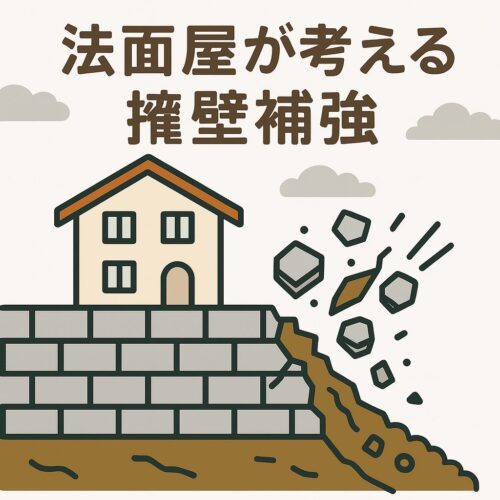
Sooner or later, strong winds or heavy rain will cause it to come crashing down with a *thud!*
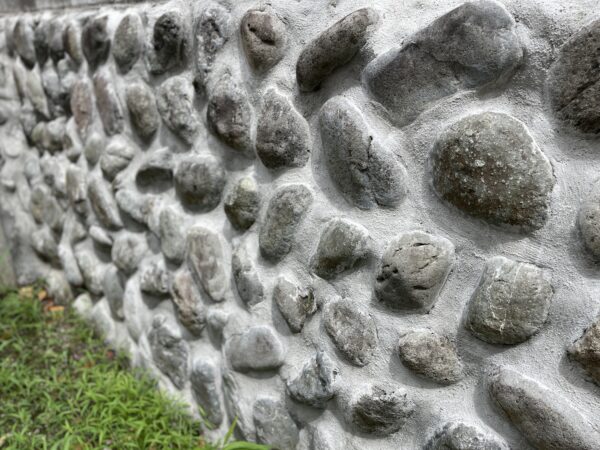
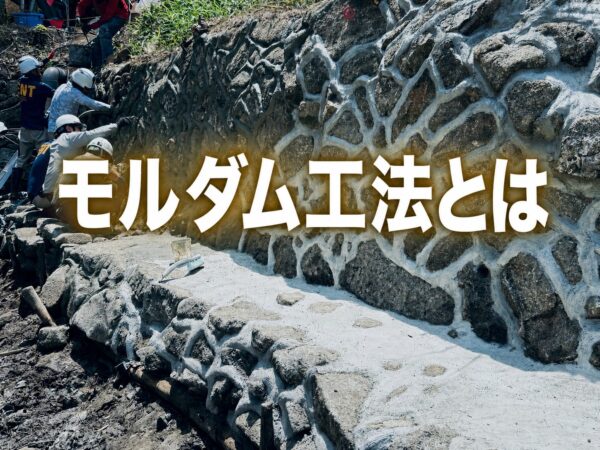
By perfectly bonding and filling those joints, the overall continuity is enhanced and strength is increased.
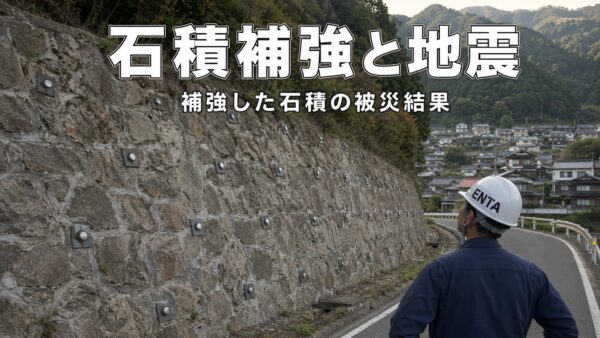
However, regions where stone walls (stone masonry) are used actually share a certain characteristic.
First, here are some places where stones come off easily.
There are a lot of places like that, aren't there?
Also, it's a mountain (or region) with abundant water.
One advantage of using stone walls (stone masonry) as retaining walls is that water drains easily.
Since the gaps are large, a certain amount of spring water seeps through.
The Moldam method we use involves bonding all the stones in the stone wall (stone masonry) together.
For this reason, in areas with high water content, rainwater may not drain properly during heavy rains, causing internal pressure to rise and potentially leading to collapse.
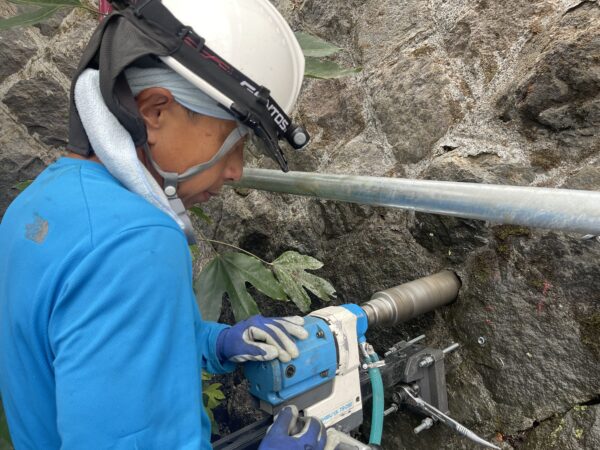
I do perform regular draining on the Moldam, but when I determine that it's not enough,
We will drill a core hole in the stone wall (stone masonry) and install a drainage pipe approximately 2 to 4 meters long in this location.
Installing drainage pipes allows for the efficient removal of water from the saturated soil caused by heavy rain.
It’s particularly effective for stone walls (stone masonry) that are already showing signs of cracking.
Even if you want to take precautions but are on a tight budget, just make sure to drain the water,
In most cases, at least, collapse can be prevented.
We recommend installing drainage pipes extensively in areas such as residential slopes, as this helps prevent liquefaction and landslides.
It does require some stability calculations, but it is possible to move from the red zone to the yellow zone, so
I think it's worth considering.
Implementing comprehensive measures will improve safety, but it will also increase costs, so it really depends on the situation.
See you later