Hello, everyone.
This is Enta.
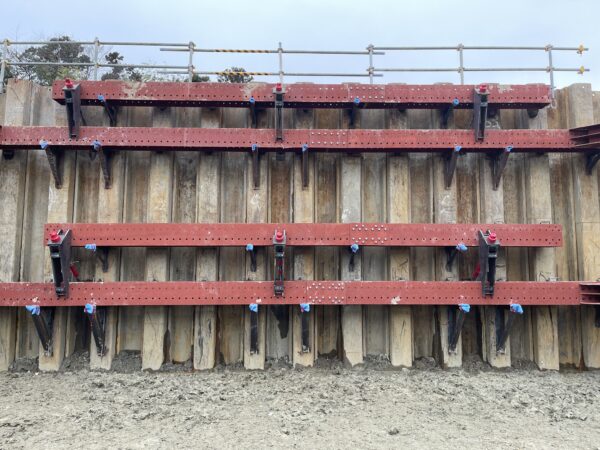
We just finished another job site the other day.
This was a project that, following a design change last year and after many twists and turns, we managed to align with the general contractor’s schedule.
There aren't many of them, but they're still a lot of work to adjust. If we had a whole week to drill the holes, it would be easy enough, but doing it in just a day or two is pretty tough at this time of year, isn't it?
However, we managed to handle the schedule effectively and coordinate with the other construction projects.
In fact, the other construction projects also went smoothly without any delays.
It’s been a while since I’ve had to carefully coordinate the schedules of three different job sites, so I’m exhausted, but it looks like everything will go according to plan without causing any trouble for anyone. (Things will settle down by Saturday.)
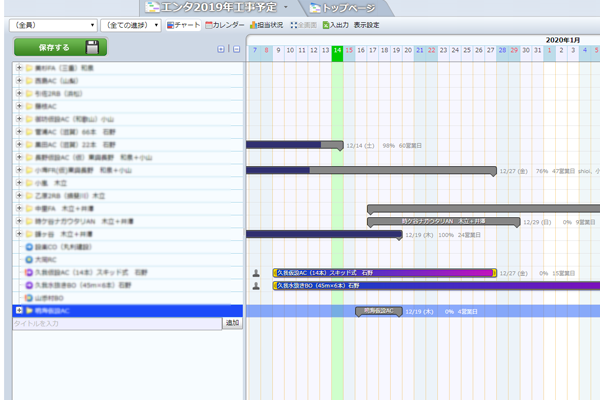
As for my approach to coordination—or rather, my method of organizing things—since we mainly work as subcontractors, there are times when we’re managing about five job sites all at once.
If each worksite had a supervisor, we wouldn't have to worry about planning, but that isn't always the case.
If that happens, it’ll be pretty tough for me to handle three job sites all by myself, but since I’m from a generation that’s always done this kind of thing, I’ll manage somehow lol.
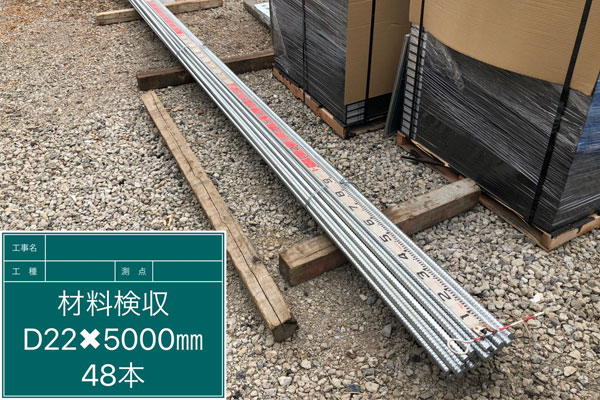
First of all, it’s important not to hold up the materials on-site.
This is the most important thing.
In the worst-case scenario, I might ask the general contractor to take delivery of the materials lol (I'm really sorry about that)
That's how crucial it is.
If we don't have the materials, there's nothing we can do even if we go to the site, so we can't move on to the next stage of the process.
It is essential to either ensure that the materials are loaded first or that they are loaded at the same time as the other items.
If possible, first-in, first-out is best.
These are estimates of the number of construction days for each of the following sites, right?
I'll make a rough estimate of how long it will take to finish and add about two days to that.
That way, you'll be able to handle any issues that might come up, and those two extra days will come in handy later on.
Confirming Staffing Levels and Non-Work Days at Other Sites
How many people are going? Who is going? How many extra people can be sent from other sites for how many days?
You can compress it quite a bit here.
Well, it depends on the type of work, but for standard framing, the more people there are for assembly, the better, and for anchors, it’s all about the head finishing.
If you plan your workflow by considering where you can compress data, things tend to go surprisingly smoothly.
And which days will we work overtime?! (Key days and types of work)
At which stage should we work overtime to ensure the subsequent processes run smoothly?
Overtime is important this time of year, too.
Although we need to consider all the steps simultaneously, it’s actually surprisingly easy to understand if we break them down one by one.
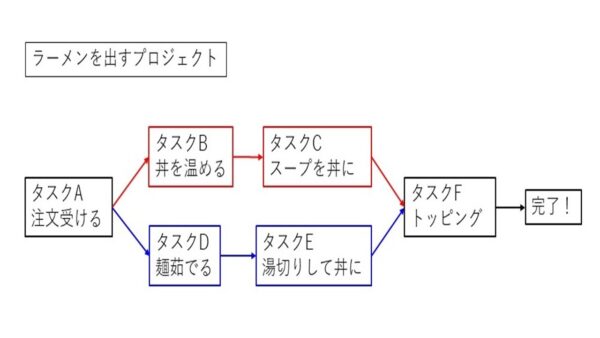
After that, if you write out the process while weaving in details from each site, it’ll fit right in smoothly and naturally.
As subcontractors, rather than relying solely on the prime contractor’s processes, we can eliminate waste by firmly establishing our own processes.
I make mistakes every now and then, but when I do, I'm sorry lol
However, you shouldn't cut back on waste too much.
Please be very careful, as this can lead to accidents.
[Also, since letting fatigue build up is extremely dangerous, taking a solid two-day weekend break at some point can sometimes help the subsequent stages go more smoothly.
It's also important to assess that situation.
We're now halfway through the fiscal year.
Let's be very careful!
See you later.