Hello, everyone
This is Enta.
This week, we're drilling anchor holes in Nagano.
So, this is what it usually looks like when an accident happens.
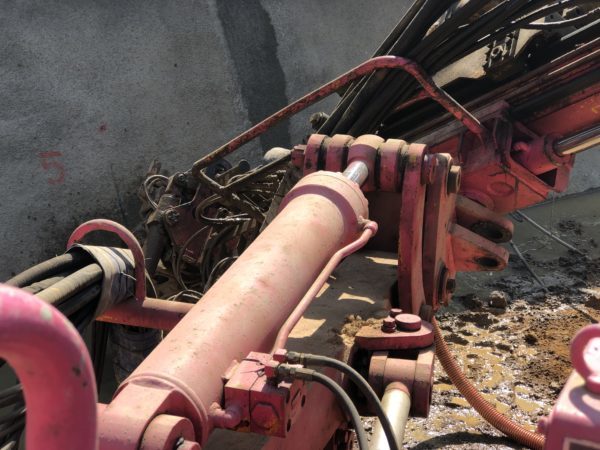 I took this photo myself (well, it was during surgery, lol)—what do you think?
You can't see it, can you?
This is a blind spot for crawler-type rotary percussion machines.
Accidents happen in blind spots.
The operators can't see the workers on the floor at all.
I can't see the casing being drilled either.
SoAll decisions are based on signals and voice commandsI am doing that.
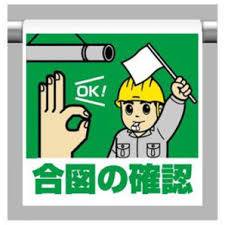 If you look at it another way, even when visibility is this poor, the work still proceeds smoothly thanks to signals and calls.
We can't move without a signal or a command!
What's more, this time we have two Vietnamese workers on site helping with the construction.
This project was carried out by me, Technical Intern Trainee 1, and Technical Intern Trainee 2.
Honestly, it's super hard lol
There’s definitely a language barrier, but I’m getting by with “start,” “stop,” and “OK” lol
Japanese-style English, lol
They can't speak English, after all lol
Also, giving the "Stop," "Start," and "OK" commands over the radio is important, too!
After all, I can't see it.
It looks like I'll be doing some operations for a while, checking the plant, doing some grouting, and drilling—that's how it's going to go, lol.
Looks like I'm going to lose weight lol
I guess it’ll be a lot easier once I get the hang of giving signals and calling out commands.
Everyone, please make sure to memorize the signals and chants—and let’s all use them consistently!
See you later.