


In the grueling joint venture workplace, our company is the only one not getting a bonus
At the time, I was working on a rather grueling job site. It was a project to construct the outer retaining wall around a marine disposal site for fly ash (waste) emitted from a thermal power plant.
I was assigned as a member of a subsidiary company within a joint venture between two firms, but it was an incredibly demanding workplace—my typical schedule ran from 6:30 a.m. to 11:00 p.m. Sometimes, my monthly overtime would reach 200 hours. Looking back now, I realize it was a workplace that helped me grow both mentally and physically, but at the time, I had nothing but complaints.
What’s more, given how busy things were on the job site, I would have expected the company to be thriving, but it was actually suffering from a company-wide slump in orders. The internal situation was dire, with nothing but bad news—such as early retirement programs and bonus cuts—making the rounds. In the end, my bonus was cut to zero.
However, employees of the JV sponsor companies working at the same site were receiving hefty bonuses. I used to glance sideways at the employees from other companies who were celebrating and feel incredibly envious. This is the reality of working on a JV site.
A 1.5 million yen difference in annual income for the same job. It’s part of a site supervisor’s job to address employees’ grievances.
While I was envious that people at other companies were receiving bonuses, what frustrated me the most was that, even though we were doing the same work, there was a huge difference in our annual salaries just because we worked for different companies.
What’s more, there was a difference of about 1.5 million yen in annual salary between me and someone who joined the JV sponsor company the same year I did, and I used to complain to my boss all the time, saying, “But we’re doing the same job!”
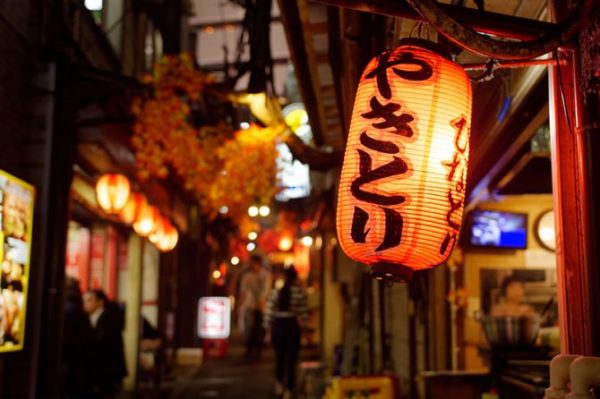
However, I think the reason I was able to stick it out on the job even during those tough times was that I was lucky enough to have a great boss. My boss would often take me to yakitori restaurants.
The yakitori at that restaurant has hardly any meat on the skewers. “How on earth can he skillfully skewer such a small amount of chicken?” I’m actually so impressed by the chef’s dexterity that I find myself marveling at it. At 60 yen a skewer, it’s very reasonably priced, and I was shocked the first time I saw it.
My boss says, “When you eat yakitori, eat the skewer—the meat’s umami soaks into it, so that’s the tastiest part!”
I remember thinking that my boss must have gone out of his way to bring me along even though he was short on cash, just to help me let off some steam, and I, too, let off some steam while munching on the skewers.
What Yakitori Taught Me About the Essentials of On-Site Management
Although people working at construction sites have different roles and incomes, teamwork is still essential.
Construction sites are characterized by the principle of “one site, one productivity.” Since the composition of the engineering staff varies from site to site, it’s common to work alongside people you’ve never met before. I’ve come to deeply realize that site supervisors need the sensitivity to “read, understand, and anticipate” the ever-changing environment and on-site conditions.
It is precisely this mutual consideration—with supervisors asking, “What are my subordinates thinking, and how are they acting?” and subordinates asking, “What does my supervisor expect? What will they say next?”—that is essential for smooth operations on the front lines.
……Even now, every time I eat yakitori, I’m reminded of those days and reflect deeply on the principles of on-site management.
Reprinted from "The God of Construction"